

As a supplier of calcined bauxite, I often get asked about alternatives to this versatile material. Calcined bauxite is widely used in various industries, including refractory, abrasives, and ceramics, thanks to its high alumina content, excellent thermal stability, and good hardness. But there are times when customers might need substitutes due to cost, availability, or specific application requirements. So, let's dive into what can be used instead of calcined bauxite.
1. Fused Alumina
Fused alumina is a popular substitute for calcined bauxite. It's made by melting high - purity alumina in an electric arc furnace at extremely high temperatures. This process results in a product with very high purity and excellent properties.
One of the main advantages of fused alumina over calcined bauxite is its purity. Fused alumina typically has a much higher alumina content, often over 95%, compared to calcined bauxite which usually has an alumina content ranging from 80 - 90%. This high purity makes it ideal for applications where chemical reactions with impurities need to be avoided, such as in some high - tech ceramics and advanced refractories.
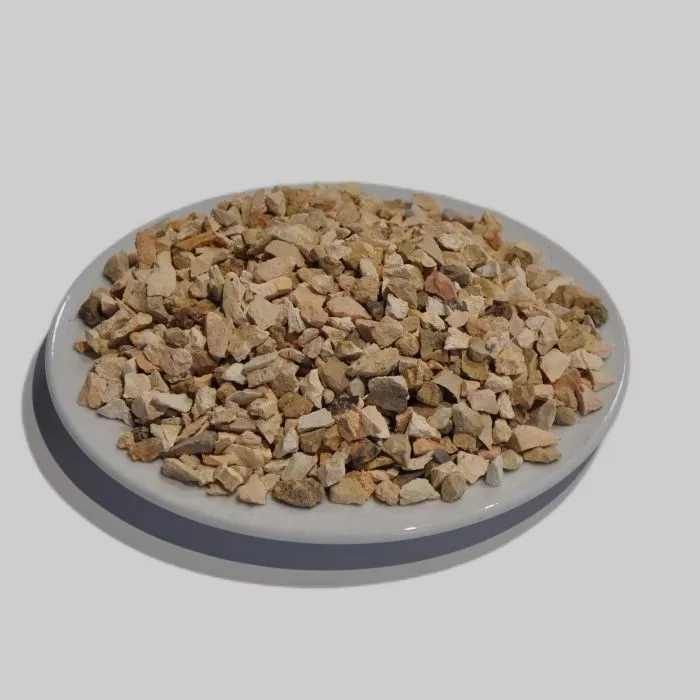
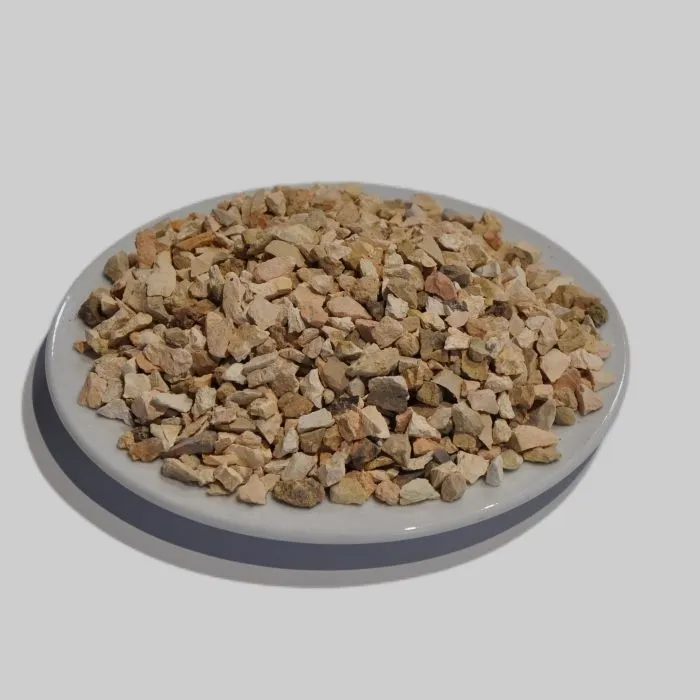
In terms of hardness, fused alumina is also harder than calcined bauxite. This makes it a great choice for abrasive applications. For example, in grinding wheels and sandpapers, fused alumina can provide a more aggressive cut and a longer service life. However, this higher purity and hardness come at a cost. Fused alumina is generally more expensive than calcined bauxite. So, for cost - sensitive applications, it might not be the best fit. You can learn more about high - quality calcined bauxite products on our website: High Purity Calcined Bauxite.
2. Mullite
Mullite is another potential substitute. It's a mineral that occurs naturally but can also be synthesized. Synthetic mullite is often produced from alumina - rich raw materials, similar to calcined bauxite.
Mullite has excellent thermal shock resistance. This means it can withstand rapid changes in temperature without cracking or breaking. In industries such as the steel and glass manufacturing, where materials are exposed to extreme temperature variations, mullite can be a great alternative to calcined bauxite.
Moreover, mullite has good chemical stability and is resistant to corrosion by many chemicals. This property makes it suitable for use in chemical - processing industries as well. However, the production of synthetic mullite can be complex and energy - intensive, which can drive up the cost. And in some cases, its availability might be more limited compared to calcined bauxite. If you're interested in the production process of calcined bauxite, you can check out Rotary Kiln Calcined Bauxite.
3. Silica - Alumina Refractories Made from Other Raw Materials
Silica - alumina refractories can be made from raw materials other than calcined bauxite. For example, fireclay is a common raw material for making these refractories. Fireclay is relatively cheap and widely available.
Refractories made from fireclay have a lower alumina content compared to those made from calcined bauxite. But they still offer decent thermal stability and can be used in a variety of applications where the temperature requirements are not extremely high. For instance, in some small - scale foundries or in less - demanding industrial furnaces, fireclay - based silica - alumina refractories can serve as a substitute for calcined bauxite - based ones.
However, the performance of fireclay - based refractories might not be as good as calcined bauxite - based ones in high - temperature and high - stress environments. They also tend to have a lower density, which can affect their mechanical strength. If you want to know more about different types of calcined bauxite, Rotary Kiln Bauxite provides detailed information.
4. Magnesite - Based Materials
Magnesite - based materials can also act as substitutes in certain applications, especially in the refractory industry. Magnesite is a mineral that is rich in magnesium oxide (MgO).
Magnesite - based refractories are known for their high refractoriness and excellent resistance to basic slags. In industries like steelmaking, where basic slags are commonly encountered, magnesite - based refractories can be used instead of calcined bauxite - based ones. However, magnesite - based materials are more reactive to acidic environments. So, in applications where acidic substances are present, calcined bauxite might still be a better choice.
5. Zirconia
Zirconia is a high - performance ceramic material that can replace calcined bauxite in some specialized applications. It has extremely high melting point, excellent thermal insulation properties, and good chemical stability.
In high - tech industries such as aerospace and electronics, zirconia is used in applications where high - temperature resistance and precision are required. For example, it can be used in making heat shields for spacecraft or in high - temperature sensors. But zirconia is very expensive compared to calcined bauxite. So, it's usually only used in applications where the performance advantages justify the high cost.
Considerations When Choosing a Substitute
When looking for a substitute for calcined bauxite, there are several factors to consider:
Cost: As mentioned earlier, the cost of the substitute can be a major deciding factor. If the budget is tight, materials like fireclay might be more suitable. On the other hand, if the application requires high - performance properties, spending more on materials like fused alumina or zirconia could be worth it.
Availability: The availability of the substitute material in the required quantity and quality is also important. Some materials might be in short supply in certain regions or at certain times.
Application Requirements: Different applications have different requirements. For example, if the application involves high - temperature use, a material with good thermal stability like mullite or fused alumina might be needed. If chemical resistance is crucial, magnesium - based materials or zirconia could be considered.
Why You Might Still Choose Calcined Bauxite
Despite the alternatives, calcined bauxite still has its place in many industries. It offers a good balance of performance and cost. It's readily available in large quantities, and its properties can be customized to some extent by adjusting the calcination process.
Whether you need a specific grade of calcined bauxite for a refractory application or for an abrasive product, we can provide you with the right solution. We've been in the business for years and have the expertise to meet your needs.
If you're interested in exploring our range of calcined bauxite products or want to discuss whether calcined bauxite or one of its substitutes is the best fit for your application, don't hesitate to reach out. We're always here to have a chat and help you make the right decision. We can work together to find the most cost - effective and performance - oriented solution for your specific project.
References
- Rao, K. P. (2008). Refractories for Steelmaking. Woodhead Publishing.
- Gumaste, V. V. (2010). Bauxite and Alumina - Chemistry and Technology. CRC Press.
- Schneider, H. (2016). Ceramic Materials for High - Temperature Applications. Springer.