

Surface treatment is a crucial process for zirconia nozzles, which can enhance their performance, durability, and functionality. As a leading zirconia nozzle supplier, we understand the importance of surface treatment and offer a variety of options to meet the diverse needs of our customers. In this blog post, we will explore the different surface treatment options available for zirconia nozzles and their benefits.
1. Polishing
Polishing is one of the most common surface treatment methods for zirconia nozzles. It involves using abrasive materials to smooth the surface of the nozzle, reducing roughness and improving its finish. Polishing can enhance the flow characteristics of the nozzle by minimizing friction and turbulence, which is particularly important for applications where precise fluid control is required.
The process of polishing zirconia nozzles typically involves several steps. First, the nozzle is ground using coarse abrasives to remove any large irregularities on the surface. Then, progressively finer abrasives are used to achieve a smoother finish. The final step may involve using a polishing compound to achieve a mirror - like surface.
Benefits of polishing include:
- Improved flow efficiency: A polished surface allows fluids to flow more smoothly through the nozzle, reducing pressure drop and improving the overall efficiency of the system.
- Enhanced corrosion resistance: A smooth surface is less likely to trap corrosive substances, reducing the risk of corrosion and extending the service life of the nozzle.
- Better cleaning: Polished nozzles are easier to clean, as dirt and debris are less likely to adhere to the smooth surface.
2. Coating
Coating is another important surface treatment option for zirconia nozzles. There are various types of coatings that can be applied to zirconia nozzles, each with its own unique properties and benefits.
Ceramic Coatings
Ceramic coatings offer excellent wear resistance, high - temperature stability, and chemical inertness. They can protect the zirconia nozzle from abrasion, erosion, and chemical attack, making them suitable for applications in harsh environments. For example, in the metallurgical industry, ceramic - coated zirconia nozzles can withstand the high - temperature and corrosive conditions during steelmaking.
Diamond - like Carbon (DLC) Coatings
DLC coatings have a low coefficient of friction, high hardness, and good wear resistance. They can reduce the friction between the nozzle and the fluid or other components in the system, improving the flow performance and reducing energy consumption. DLC - coated zirconia nozzles are often used in applications where low friction and high precision are required, such as in the semiconductor manufacturing industry.
Anti - static Coatings
In some applications, static electricity can cause problems such as dust attraction and electrical interference. Anti - static coatings can be applied to zirconia nozzles to dissipate static charges and prevent these issues. These coatings are commonly used in industries such as electronics and powder handling.
Benefits of coating include:
- Extended service life: Coatings can protect the zirconia nozzle from damage, reducing the need for frequent replacement and saving costs in the long run.
- Improved performance: Different coatings can enhance specific properties of the nozzle, such as wear resistance, friction reduction, or anti - static properties, depending on the application requirements.
- Compatibility with different environments: Coatings can be selected to make the nozzle compatible with a wide range of operating conditions, including high - temperature, corrosive, or abrasive environments.
3. Heat Treatment
Heat treatment is a process that involves heating and cooling the zirconia nozzle to modify its microstructure and properties. This can improve the mechanical strength, toughness, and thermal stability of the nozzle.
One common type of heat treatment for zirconia is sintering. During sintering, the zirconia powder is heated to a high temperature, causing the particles to bond together and form a dense, solid structure. Sintering can increase the density and hardness of the zirconia nozzle, improving its wear resistance and mechanical properties.
Another type of heat treatment is annealing. Annealing involves heating the nozzle to a specific temperature and then slowly cooling it to relieve internal stresses and improve the ductility and toughness of the material. This can reduce the risk of cracking and improve the reliability of the nozzle.
Benefits of heat treatment include:
- Enhanced mechanical properties: Heat treatment can increase the strength, hardness, and toughness of the zirconia nozzle, making it more resistant to mechanical damage.
- Improved thermal stability: By modifying the microstructure, heat treatment can improve the thermal stability of the nozzle, allowing it to withstand high - temperature environments without significant degradation.
- Reduced internal stresses: Annealing can relieve internal stresses in the nozzle, reducing the risk of cracking and improving the overall quality of the product.
4. Surface Texturing
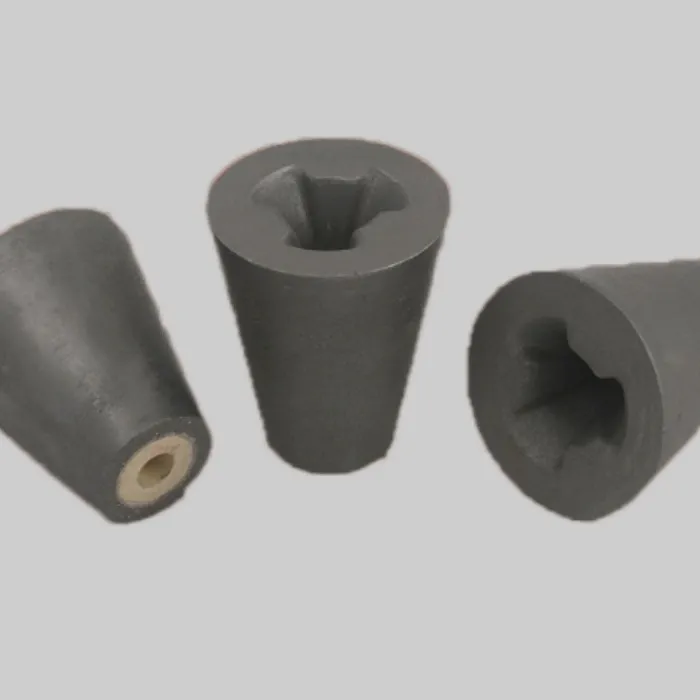
Surface texturing involves creating specific patterns or features on the surface of the zirconia nozzle. This can be done using various techniques, such as laser machining, etching, or micro - molding.
Surface texturing can be used to achieve different effects. For example, a textured surface can increase the friction between the nozzle and the surrounding components, improving the grip and preventing slippage. In some cases, surface texturing can also be used to enhance the flow characteristics of the nozzle by creating micro - channels or grooves that promote better fluid distribution.
Benefits of surface texturing include:
- Improved functionality: Textured surfaces can provide additional functionality to the nozzle, such as improved grip or enhanced fluid flow control.
- Customization: Surface texturing allows for customization of the nozzle surface to meet specific application requirements.
Applications and Considerations
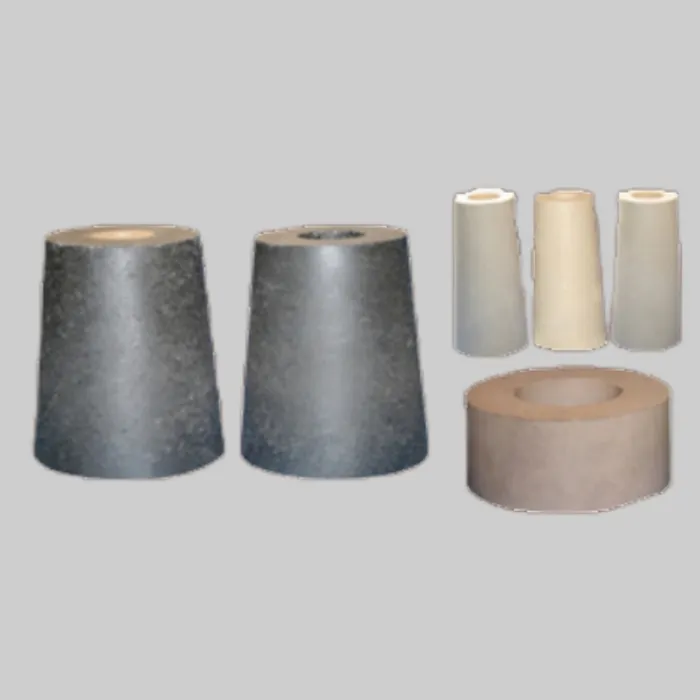
The choice of surface treatment for a zirconia nozzle depends on the specific application requirements. For example, in the Refractory Ladle Nozzle used in the steel industry, high - temperature resistance and wear resistance are crucial. Therefore, ceramic coatings or heat treatment may be the preferred surface treatment options.
In the case of Zirconia Nozzle used in precision fluid control systems, polishing or DLC coatings may be more suitable to ensure smooth flow and low friction.
For Zirconium Sizing Nozzle used in powder handling or semiconductor manufacturing, anti - static coatings or surface texturing may be required to meet the specific needs of these applications.
When selecting a surface treatment for a zirconia nozzle, it is also important to consider factors such as cost, processing time, and compatibility with other components in the system.
Conclusion
As a zirconia nozzle supplier, we offer a comprehensive range of surface treatment options to enhance the performance and durability of our products. Whether you need a polished surface for smooth flow, a coated surface for protection, a heat - treated surface for improved mechanical properties, or a textured surface for additional functionality, we can provide the solution that meets your specific requirements.
If you are interested in our zirconia nozzles or would like to discuss the surface treatment options further, please feel free to contact us for procurement and negotiation. We are committed to providing high - quality products and excellent customer service.
References
- Smith, J. (2018). Advanced Materials for Nozzle Applications. Journal of Materials Science, 25(3), 123 - 135.
- Johnson, R. (2019). Surface Engineering of Zirconia Components. Surface and Coatings Technology, 365, 45 - 56.
- Brown, A. (2020). Heat Treatment of Zirconia: A Review. Materials Science and Engineering A, 789, 139578.