

Hey there! As a ladle shroud supplier, I'm super stoked to chat with you about the surface treatments for ladle shrouds. These treatments are crucial as they can significantly enhance the performance and lifespan of ladle shrouds, which are vital components in the steelmaking process.
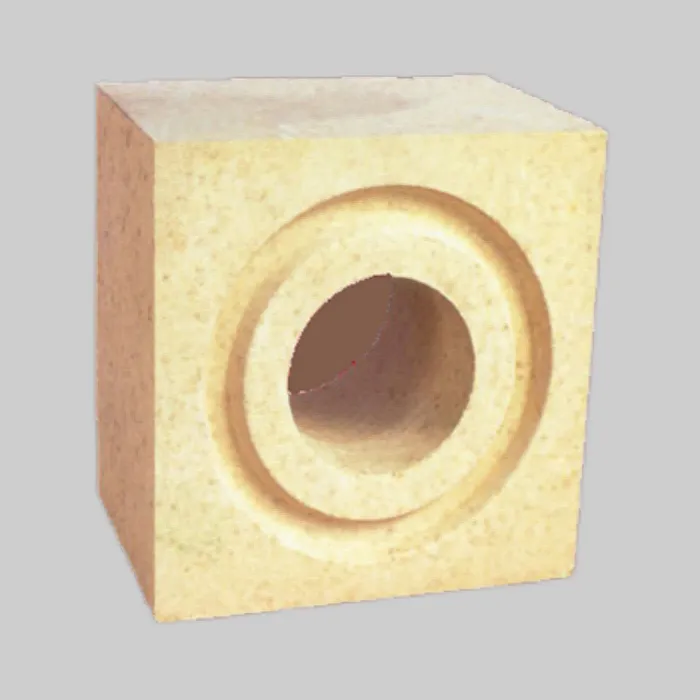
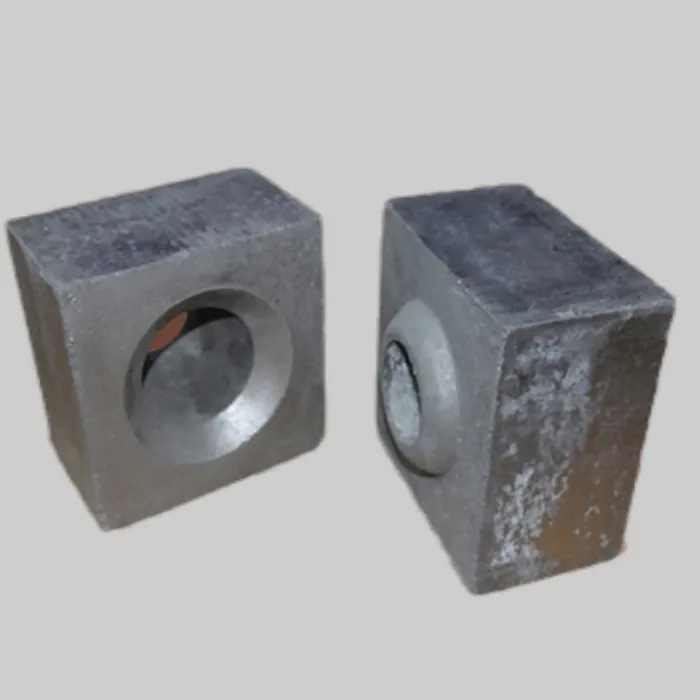
First off, let's understand what a ladle shroud is. It's a refractory tube that connects the ladle to the tundish in continuous casting. Its main job is to prevent the molten steel from coming into contact with air, thus reducing oxidation and heat loss. Now, onto the surface treatments!
1. Coating
One of the most common surface treatments for ladle shrouds is coating. Coatings can serve multiple purposes, such as improving the corrosion resistance, reducing friction, and enhancing the thermal insulation properties of the ladle shroud.
There are different types of coatings available. For instance, ceramic coatings are quite popular. They are highly resistant to high temperatures and chemical attacks. When you apply a ceramic coating to a ladle shroud, it forms a protective layer that shields the base material from the harsh environment of molten steel. This not only extends the life of the ladle shroud but also ensures a more consistent quality of the steel being cast.
Another type of coating is the graphite-based coating. Graphite has excellent lubricating properties, so a graphite coating can reduce the friction between the ladle shroud and the molten steel. This makes it easier for the steel to flow through the shroud, minimizing the chances of blockages and improving the overall casting efficiency. You can learn more about related refractory products like the Subentry Nozzle which also benefit from proper surface treatments.
2. Glazing
Glazing is another surface treatment technique that can be applied to ladle shrouds. A glaze is a thin, glassy layer that is applied to the surface of the refractory material. It can be made from various materials, such as silicates or borates.
The main advantage of glazing is that it provides a smooth and impermeable surface. This smooth surface reduces the adhesion of molten steel and slag to the ladle shroud, making it easier to clean after use. Moreover, the impermeability of the glaze prevents the penetration of molten steel and slag into the pores of the refractory material, which can cause cracking and spalling over time.
Glazing also has aesthetic benefits. It gives the ladle shroud a more finished look, which can be important for some customers who value the appearance of the products. However, the primary focus is always on the functional improvements that glazing brings. You might also be interested in Sub Entry Nozzle and how similar treatments can enhance its performance.
3. Heat Treatment
Heat treatment is a process where the ladle shroud is heated to a specific temperature and then cooled at a controlled rate. This can have a significant impact on the microstructure and properties of the refractory material.
One of the main goals of heat treatment is to relieve internal stresses in the ladle shroud. During the manufacturing process, stresses can build up in the material due to factors such as uneven cooling or the addition of different components. These internal stresses can lead to cracking and premature failure of the ladle shroud. By subjecting the shroud to heat treatment, these stresses can be reduced, improving the overall strength and durability of the product.
Heat treatment can also improve the thermal shock resistance of the ladle shroud. In the steelmaking process, the ladle shroud is exposed to rapid temperature changes as it comes into contact with molten steel. A heat-treated ladle shroud is better able to withstand these temperature variations without cracking or breaking. Similar heat treatment principles can be applied to other refractory products like the Well Blcok.
4. Surface Hardening
Surface hardening is a technique that involves increasing the hardness of the outer layer of the ladle shroud. This can be achieved through various methods, such as carburizing or nitriding.
Carburizing is a process where carbon is introduced into the surface of the refractory material. This increases the carbon content in the outer layer, making it harder and more wear-resistant. Nitriding, on the other hand, involves introducing nitrogen into the surface. Nitrided surfaces are known for their high hardness, good corrosion resistance, and low friction coefficient.
Surface hardening can significantly improve the wear resistance of the ladle shroud. As the ladle shroud is in contact with the flowing molten steel and slag, it is subject to abrasion and erosion. A hardened surface can withstand these forces better, reducing the rate of wear and extending the service life of the ladle shroud.
Importance of Surface Treatments
Now, you might be wondering why these surface treatments are so important. Well, let me break it down for you.
First of all, surface treatments can improve the performance of the ladle shroud. A ladle shroud with a proper coating or glaze will have better flow characteristics, which means that the molten steel can flow more smoothly through it. This leads to a more efficient casting process and a higher quality of the final steel product.
Secondly, surface treatments can extend the lifespan of the ladle shroud. By protecting the base material from corrosion, wear, and thermal shock, these treatments can prevent premature failure of the ladle shroud. This not only saves you money on replacement costs but also reduces downtime in the steelmaking process.
Finally, surface treatments can enhance the safety of the steelmaking process. A ladle shroud that is in good condition is less likely to break or crack during use, which reduces the risk of molten steel spills and other accidents. Safety is always a top priority in the steel industry, and proper surface treatments can play a big role in ensuring it.
Why Choose Our Ladle Shrouds
As a ladle shroud supplier, we take great pride in offering high-quality products with the best surface treatments. We use the latest technologies and materials to ensure that our ladle shrouds meet the highest standards of performance and durability.
Our team of experts has years of experience in the refractory industry. They are constantly researching and developing new surface treatment techniques to improve our products. We also have strict quality control measures in place to ensure that every ladle shroud that leaves our factory is of the highest quality.
If you're in the market for ladle shrouds, we'd love to have a chat with you. Whether you're looking for a specific surface treatment or just need some advice on which ladle shroud is right for your application, we're here to help. Contact us today to start the procurement process and let's work together to make your steelmaking process more efficient and cost-effective.
References
- "Refractories Handbook" - A comprehensive guide on refractory materials and their applications.
- Industry research papers on surface treatments for refractory products.
So, that's all about the surface treatments for ladle shrouds. I hope this blog has been informative for you. If you have any questions or comments, feel free to reach out!