

Hey there! As a supplier of high temp bricks, I often get asked a bunch of questions about these bad boys. One question that pops up quite a bit is, "Do high temp bricks change color over time at high temperatures?" Well, let's dive right into it and find out.
First off, let's talk about what high temp bricks are. These bricks are designed to withstand extremely high temperatures, which makes them perfect for all sorts of industrial applications. Whether it's in a furnace, a kiln, or even a fireplace, high temp bricks are there to do the heavy lifting. There are different types of high temp bricks out there, like Large Firebrick, Dense Refractory Bricks, and High Alumina Silica Brick. Each type has its own unique properties and uses.
Now, back to the main question - do they change color over time at high temperatures? The answer is, it depends. There are a few factors that can cause high temp bricks to change color when exposed to high heat for extended periods.
One of the main factors is the chemical composition of the bricks. High temp bricks are made up of various minerals and compounds, and when they're heated, these substances can undergo chemical reactions. For example, some of the iron oxides present in the bricks can oxidize further at high temperatures. Oxidation is basically a reaction with oxygen, and it can cause the bricks to turn a reddish - brown color. If there are other metal oxides like manganese or chromium in the bricks, they can also react and change the color of the bricks.
Another factor is the presence of impurities. Even the best - made high temp bricks can have some impurities. These impurities can react with the heat and the surrounding atmosphere in the furnace or kiln. For instance, if there are sulfur impurities in the bricks and they're heated in an oxygen - rich environment, they can form sulfur oxides. These sulfur oxides can then react with other components in the bricks and lead to color changes.
The temperature itself also plays a huge role. Different temperature ranges can cause different color changes. At relatively lower high temperatures (say, around 800 - 1000 degrees Celsius), the color changes might be more subtle. The bricks might just start to lose their original luster and become a bit duller. But as the temperature goes up, say above 1200 degrees Celsius, the color changes can be more dramatic. The bricks might turn from their original light color to a darker shade, like black or gray.
The duration of exposure to high temperatures is important too. If the bricks are only exposed to high heat for a short period, the color change might be minimal. But if they're constantly subjected to high temperatures over months or even years, the color change can be quite significant.
Let's take a look at some real - world examples. In a glass - making furnace, the high temp bricks that line the inside are exposed to very high temperatures for long periods. Over time, you'll notice that the bricks near the hottest parts of the furnace start to change color. They might go from a light cream color to a dark gray or even a blackish color. This is because of the intense heat and the chemical reactions happening inside the furnace.
In a steel - making kiln, the high temp bricks are also under extreme conditions. The high carbon content in the steel - making process can interact with the bricks. The carbon can react with the oxygen in the bricks and cause reduction reactions. These reduction reactions can change the oxidation state of some of the elements in the bricks and lead to color changes. You might see the bricks turning a different shade of brown or even a metallic - looking color in some cases.
Now, you might be wondering if a color change is a bad thing. Well, it's not always a sign of trouble. In some cases, a minor color change is just a natural consequence of the bricks being exposed to high heat. The bricks can still perform their function of insulating and withstanding the heat even if they've changed color. However, if the color change is accompanied by other signs like cracking, spalling (where small pieces of the brick break off), or a significant loss of strength, then it could be a sign that the bricks are starting to degrade.
If you're using high temp bricks in your industrial process and you notice a color change, it's a good idea to keep an eye on it. Check for any other signs of damage or wear. You can also consult with a materials expert or a technician who has experience with high temp bricks. They can help you determine if the color change is normal or if it's a sign of a bigger problem.
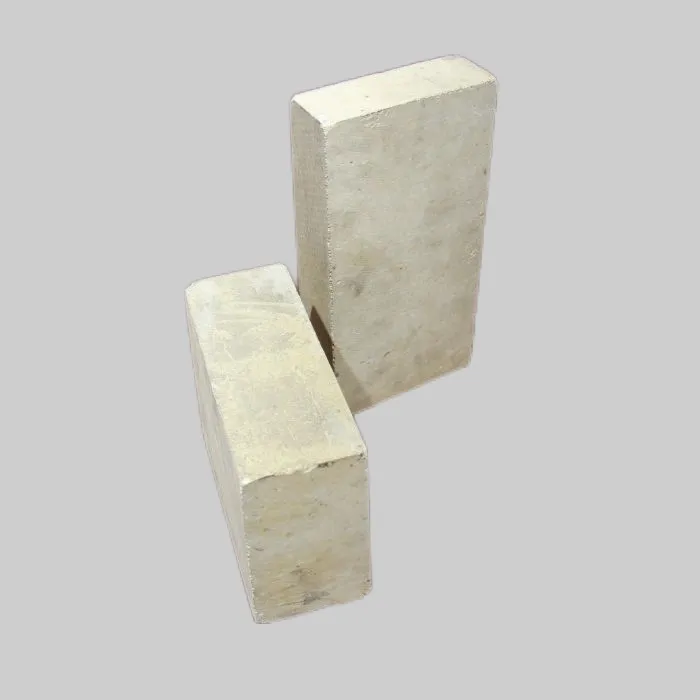
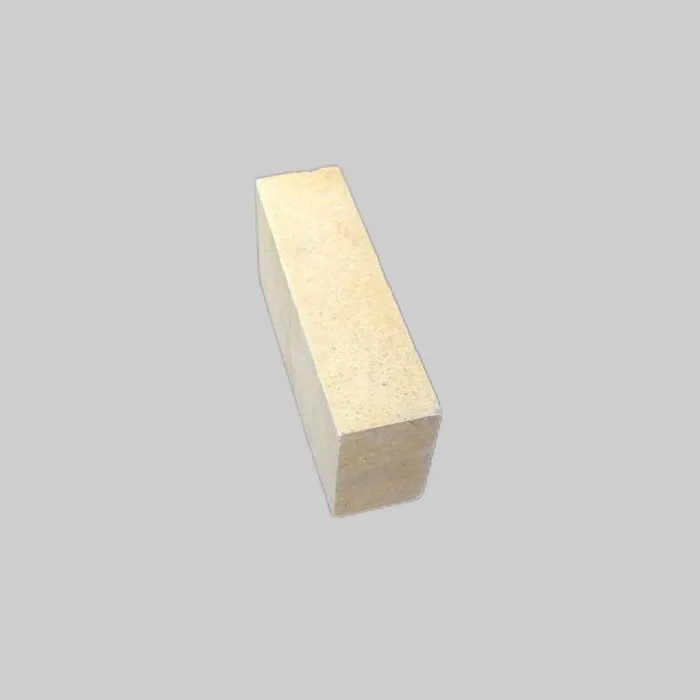
As a high temp bricks supplier, I know how important it is to have reliable and high - quality bricks for your operations. That's why we make sure that our Large Firebrick, Dense Refractory Bricks, and High Alumina Silica Brick are made with the best materials and manufacturing processes. We test our bricks rigorously to ensure that they can withstand high temperatures and perform well over time.
If you're in the market for high temp bricks, whether it's for a new project or to replace some old bricks, we'd love to talk to you. We can provide you with detailed information about the different types of bricks, their properties, and how they'll suit your specific needs. Just reach out to us, and we'll be happy to have a chat and help you make the right choice for your high - temperature applications.
In conclusion, high temp bricks can change color over time at high temperatures due to factors like chemical composition, impurities, temperature, and duration of exposure. While a color change isn't always a bad thing, it's important to monitor it and make sure your bricks are still in good condition. And if you need high - quality high temp bricks, don't hesitate to get in touch with us.
References
- "Refractories Handbook" - A comprehensive guide on refractory materials including high temp bricks.
- Journal articles on high - temperature materials and their behavior under heat stress.