

Calcined bauxite, a versatile and highly valuable material, plays a significant role in the chemical industry. As a leading supplier of calcined bauxite, I have witnessed firsthand the diverse applications and benefits of this remarkable substance. In this blog post, I will explore the various uses of calcined bauxite in the chemical industry, highlighting its unique properties and contributions.
1. Abrasives
One of the primary uses of calcined bauxite in the chemical industry is in the production of abrasives. Calcined bauxite is known for its high hardness and excellent abrasive properties, making it an ideal material for manufacturing grinding wheels, sandpapers, and other abrasive products. The hardness of calcined bauxite allows it to effectively remove material from surfaces, making it suitable for applications such as metalworking, woodworking, and stone polishing.
When used in grinding wheels, calcined bauxite provides a sharp cutting edge that can quickly and efficiently remove material. The abrasive grains of calcined bauxite are also resistant to wear, ensuring a long service life for the grinding wheel. This makes it a cost - effective choice for industries that require high - precision grinding operations.
In sandpapers, calcined bauxite is used to create a rough surface that can smooth or shape various materials. The different grit sizes of calcined bauxite in sandpapers allow for a wide range of finishing options, from coarse material removal to fine polishing.
2. Refractories
Calcined bauxite is also widely used in the production of refractories. Refractories are materials that can withstand high temperatures without melting or deforming, making them essential for industries such as steelmaking, cement production, and glass manufacturing.
The high alumina content of calcined bauxite gives it excellent refractory properties. It can resist temperatures up to 1800°C, making it suitable for lining furnaces, kilns, and other high - temperature equipment. Calcined bauxite refractories are used in the steel industry to line the walls of blast furnaces, electric arc furnaces, and ladles. They help to protect the furnace structure from the extreme heat and chemical reactions that occur during steelmaking.
In the cement industry, calcined bauxite refractories are used in the kilns where limestone and other raw materials are heated to produce cement clinker. The refractories prevent the kiln walls from being damaged by the high temperatures and the corrosive nature of the cement - making process.
3. Catalysts
In the chemical industry, catalysts are substances that speed up chemical reactions without being consumed in the process. Calcined bauxite can be used as a support material for catalysts. Its high surface area and porous structure provide an ideal environment for the deposition of active catalytic components.
For example, in the petrochemical industry, calcined bauxite - supported catalysts are used in processes such as cracking and reforming of hydrocarbons. The calcined bauxite support helps to disperse the active catalytic species, increasing their surface area and reactivity. This leads to more efficient chemical reactions and higher yields of desired products.
4. Aluminum Chemicals Production
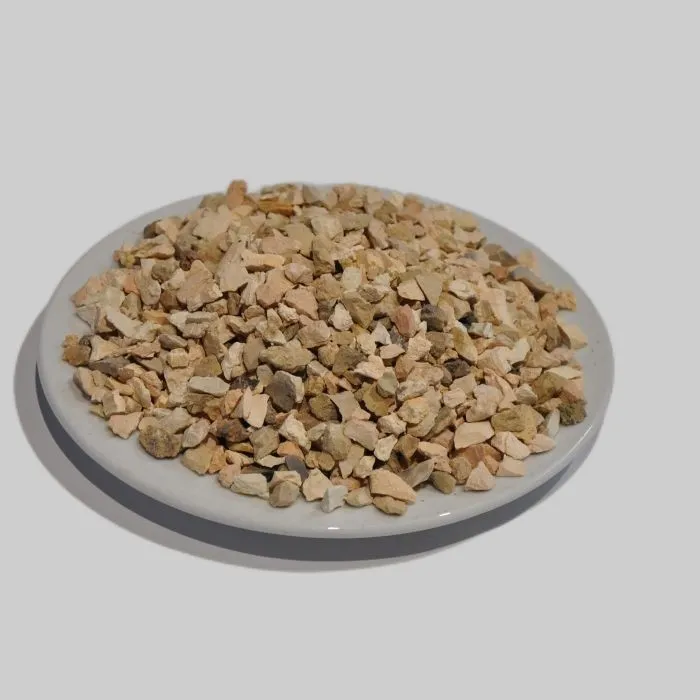
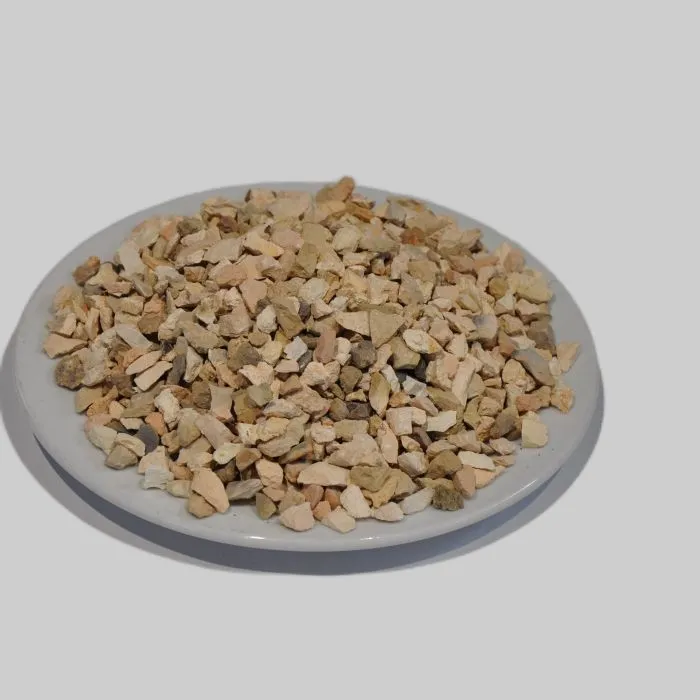
Calcined bauxite is a key raw material in the production of aluminum chemicals. Through a series of chemical processes, calcined bauxite can be converted into various aluminum compounds such as aluminum hydroxide, aluminum oxide, and aluminum sulfate.
Aluminum hydroxide is widely used as a flame retardant in plastics, rubber, and textiles. It releases water when heated, which helps to cool the material and prevent the spread of fire. Aluminum oxide, also known as alumina, is used in the production of ceramics, electronics, and as a catalyst support. Aluminum sulfate is used in water treatment, paper manufacturing, and as a mordant in the textile industry.
5. Ceramics
The chemical industry also benefits from the use of calcined bauxite in ceramics production. Calcined bauxite can be added to ceramic formulations to improve their mechanical properties, such as strength and hardness. It also helps to reduce the shrinkage of ceramics during firing, resulting in more dimensionally stable products.
In the production of technical ceramics, such as alumina ceramics, calcined bauxite is used as a major raw material. Alumina ceramics are known for their high strength, wear resistance, and electrical insulation properties. They are used in a wide range of applications, including electronic components, cutting tools, and biomedical implants.
Our Products
As a supplier of calcined bauxite, we offer a variety of high - quality products to meet the diverse needs of the chemical industry. Our Rotary Kiln Calcined Bauxite is produced using advanced rotary kiln technology, which ensures uniform calcination and consistent quality. It is suitable for applications in abrasives, refractories, and other industries.
We also provide High Purity Calcined Bauxite, which has a higher alumina content and lower impurity levels. This product is ideal for applications that require high - performance materials, such as catalysts and advanced ceramics.
In addition, our Rotary Kiln Bauxite is a cost - effective option for customers who need a reliable source of calcined bauxite for general chemical industry applications.
Conclusion
Calcined bauxite is a vital material in the chemical industry, with a wide range of uses in abrasives, refractories, catalysts, aluminum chemicals production, and ceramics. Its unique properties, such as high hardness, excellent refractory performance, and good catalytic support capabilities, make it an indispensable component in many chemical processes.
If you are in the chemical industry and are looking for a reliable supplier of calcined bauxite, we would be delighted to discuss your requirements. We are committed to providing high - quality products and excellent customer service. Contact us to start a procurement discussion and discover how our calcined bauxite can benefit your business.
References
- Kroschwitz, Jacqueline I., and Mary Howe - Grant. "Encyclopedia of Chemical Technology." Wiley, 2007.
- "Handbook of Refractory Materials" by V. V. Vasiliev, et al.
- "Abrasives: Manufacture, Properties, and Applications" by M. S. Shaw.