

What is the abrasion resistance of bubble alumina?
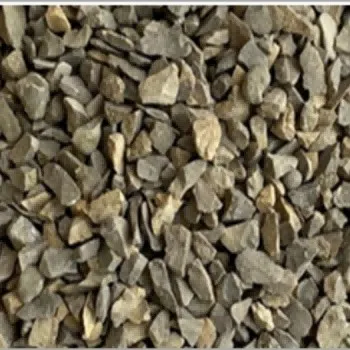
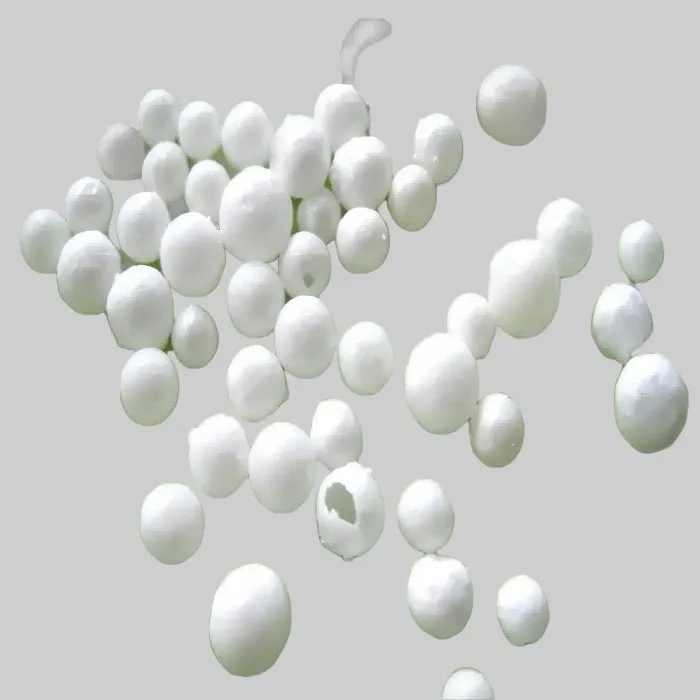
As a supplier of bubble alumina, I am often asked about the abrasion resistance of this remarkable material. In this blog post, I will delve into the concept of abrasion resistance, explain how bubble alumina exhibits this property, and discuss its significance in various applications.
Understanding Abrasion Resistance
Abrasion resistance refers to a material's ability to withstand wear and tear caused by friction, rubbing, or scraping against another surface. When a material has high abrasion resistance, it can maintain its integrity and performance over an extended period, even under harsh conditions. This property is crucial in many industries, as it directly affects the durability and lifespan of products.
The Structure of Bubble Alumina
Bubble alumina is a unique form of alumina characterized by its porous, bubble-like structure. It is typically produced through a special process that involves the controlled formation of gas bubbles within the alumina matrix. These bubbles create a lightweight and highly porous material with a large surface area.
The porous structure of bubble alumina plays a significant role in its abrasion resistance. The bubbles act as shock absorbers, dissipating the energy generated during abrasion and reducing the impact on the material's surface. This helps to prevent the formation of cracks and fractures, which can lead to premature wear and failure.
Factors Affecting the Abrasion Resistance of Bubble Alumina
Several factors can influence the abrasion resistance of bubble alumina. These include:
- Pore Size and Distribution: The size and distribution of the pores in bubble alumina can affect its ability to absorb and dissipate energy. Smaller pores generally provide better abrasion resistance, as they can more effectively trap and distribute the forces generated during abrasion.
- Density: The density of bubble alumina is another important factor. Higher density materials tend to have better abrasion resistance, as they are more compact and less likely to be damaged by friction.
- Chemical Composition: The chemical composition of bubble alumina can also impact its abrasion resistance. Alumina with a higher purity and fewer impurities generally exhibits better performance.
- Surface Finish: The surface finish of bubble alumina can affect its interaction with other surfaces. A smooth surface finish can reduce friction and wear, while a rough surface may increase the likelihood of abrasion.
Applications of Bubble Alumina Based on Abrasion Resistance
The high abrasion resistance of bubble alumina makes it suitable for a wide range of applications. Some of the common uses include:
- Refractory Materials: Bubble alumina is widely used in the production of refractory materials, such as bricks, castables, and insulation products. These materials are exposed to high temperatures and abrasive environments in industries such as steelmaking, cement production, and glass manufacturing. The abrasion resistance of bubble alumina helps to ensure the long-term performance and reliability of these refractory materials.
- Abrasive Tools: Bubble alumina can be used as an abrasive material in grinding wheels, sandpaper, and other abrasive tools. Its high hardness and abrasion resistance make it effective in removing material from surfaces and achieving a smooth finish.
- Ceramic Components: Bubble alumina is also used in the production of ceramic components, such as valves, pumps, and bearings. These components are often subjected to high levels of friction and wear, and the abrasion resistance of bubble alumina helps to extend their lifespan and improve their performance.
- Filtration Media: The porous structure of bubble alumina makes it an ideal material for filtration applications. It can be used to filter liquids and gases, removing impurities and particles. The abrasion resistance of bubble alumina ensures that the filtration media can withstand the flow of fluids and maintain its integrity over time.
Comparing Bubble Alumina with Other Materials
When considering the abrasion resistance of bubble alumina, it is useful to compare it with other materials commonly used in similar applications. Some of the materials that are often compared to bubble alumina include:
- Synthetic Cordierite: Synthetic Cordierite is a ceramic material known for its low thermal expansion and good thermal shock resistance. While it has some abrasion resistance, bubble alumina generally offers better performance in terms of wear and tear.
- Traditional Alumina: Traditional alumina is a widely used ceramic material with high hardness and abrasion resistance. However, bubble alumina has the advantage of being lightweight and porous, which can provide additional benefits in certain applications.
How to Ensure the Best Abrasion Resistance
To ensure the best abrasion resistance of bubble alumina, it is important to choose the right grade and quality of the material. Here are some tips:
- Select the Appropriate Pore Size and Density: Based on the specific application requirements, choose a bubble alumina with the appropriate pore size and density. Consult with a technical expert to determine the best option for your needs.
- Consider the Chemical Composition: Look for bubble alumina with a high purity and low impurity content. This can help to improve its abrasion resistance and overall performance.
- Optimize the Surface Finish: Ensure that the surface finish of the bubble alumina is smooth and free of defects. This can reduce friction and wear during use.
- Follow Proper Installation and Maintenance Procedures: Proper installation and maintenance of bubble alumina products are essential to ensure their long-term performance. Follow the manufacturer's guidelines and recommendations for installation, handling, and cleaning.
Conclusion
In conclusion, the abrasion resistance of bubble alumina is a key property that makes it a valuable material in many industries. Its unique porous structure, combined with its high hardness and strength, allows it to withstand wear and tear under harsh conditions. Whether you are looking for a refractory material, an abrasive tool, or a ceramic component, bubble alumina can provide the durability and performance you need.
If you are interested in learning more about Bubble Alumina or have any questions about its abrasion resistance and applications, please feel free to contact us. We are a leading supplier of bubble alumina and can provide you with the high-quality products and technical support you require. Let's start a conversation about how bubble alumina can meet your specific needs and help you achieve your goals.
References
- "Handbook of Advanced Ceramics" by John Wiley & Sons
- "Ceramic Materials: Science and Engineering" by W. D. Kingery, H. K. Bowen, and D. R. Uhlmann
- Technical literature provided by bubble alumina manufacturers