

In the realm of steelmaking, the tundish nozzle is a crucial component that significantly impacts the quality and microstructure of steel. As a trusted tundish nozzle supplier, I've witnessed firsthand how these nozzles play a pivotal role in the steel production process. In this blog, I'll delve into the influence of tundish nozzles on the microstructure of steel, exploring the key factors and mechanisms at play.
Understanding the Tundish Nozzle
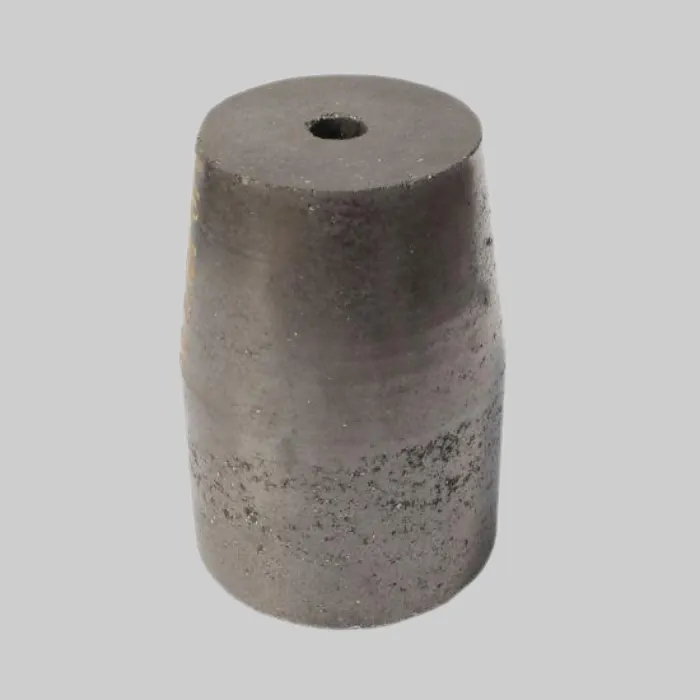
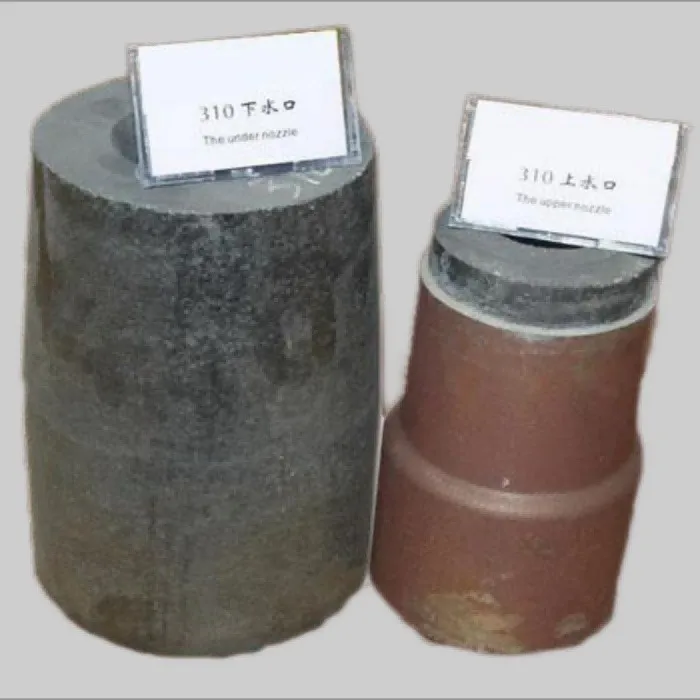
Before we discuss its influence on steel microstructure, let's first understand what a tundish nozzle is. A tundish nozzle is a refractory tube that controls the flow of molten steel from the tundish to the mold during continuous casting. It acts as a crucial link between the tundish and the mold, ensuring a smooth and controlled flow of steel. There are different types of tundish nozzles available, each designed to meet specific requirements of the steelmaking process. For instance, the Zirconium Sizing Nozzle is known for its high precision in controlling the steel flow rate, while the Refractory Ladle Nozzle is designed to withstand the high temperatures and harsh conditions in the ladle. You can explore more about our Tundish Nozzle offerings on our website.
Influence on Steel Microstructure
Flow Control and Solidification
One of the primary ways tundish nozzles influence the microstructure of steel is through flow control. The design and operation of the tundish nozzle determine the velocity and direction of the molten steel flow into the mold. A well - designed nozzle can ensure a uniform flow of steel, which is essential for proper solidification. When the steel flow is uniform, the solidification process occurs more evenly, leading to a finer and more uniform microstructure.
For example, if the flow rate is too high, it can cause turbulence in the mold. This turbulence can disrupt the normal solidification process, leading to the formation of large dendrites and porosity in the steel. On the other hand, a low and stable flow rate, achieved through a properly functioning tundish nozzle, promotes the formation of equiaxed grains. Equiaxed grains are desirable in steel as they provide better mechanical properties such as improved strength and toughness.
Inclusion Removal
Tundish nozzles also play a role in inclusion removal. Inclusions are non - metallic particles present in the molten steel, which can have a detrimental effect on the steel's microstructure and properties. The tundish nozzle can be designed to help in the separation and removal of these inclusions.
Some advanced tundish nozzles are equipped with features that promote the flotation of inclusions. As the molten steel passes through the nozzle, the inclusions can rise to the surface of the steel in the tundish or be trapped in the nozzle itself. By reducing the inclusion content in the steel, the nozzle helps in obtaining a cleaner and more homogeneous microstructure. Cleaner steel with fewer inclusions has better corrosion resistance and fatigue properties.
Temperature Distribution
The tundish nozzle can affect the temperature distribution of the molten steel as it enters the mold. A proper temperature distribution is crucial for the formation of a good microstructure. If the steel cools too rapidly in the nozzle or the mold, it can lead to the formation of a coarse - grained structure near the surface of the steel product.
Some tundish nozzles are designed with insulation materials to minimize heat loss during the steel flow. This helps in maintaining a more consistent temperature of the molten steel as it enters the mold. A more consistent temperature promotes a more uniform solidification process and a finer microstructure throughout the steel product.
Factors Affecting the Influence of Tundish Nozzles
Nozzle Material
The material of the tundish nozzle is a critical factor. Different materials have different thermal conductivities, chemical stabilities, and mechanical properties. For example, zirconia - based nozzles are known for their high thermal stability and resistance to corrosion by molten steel. These properties allow the nozzle to maintain its shape and performance during the steel - casting process, ensuring a consistent influence on the steel microstructure.
On the other hand, graphite - based nozzles have good lubricity, which can help in reducing the friction between the molten steel and the nozzle wall. This can improve the flow characteristics of the steel and, in turn, affect the solidification and microstructure of the steel.
Nozzle Design
The design of the tundish nozzle, including its shape, size, and internal structure, also affects its influence on the steel microstructure. A nozzle with a well - designed internal passage can ensure a laminar flow of the molten steel, reducing turbulence and promoting uniform solidification.
The shape of the nozzle outlet can also impact the steel flow pattern in the mold. For example, a nozzle with a multi - hole design can create a more dispersed and uniform flow of steel in the mold, which is beneficial for the formation of a fine - grained microstructure.
Case Studies
Let's look at some real - world examples to understand the impact of tundish nozzles on steel microstructure. A steelmaking plant was facing issues with the formation of large dendrites and porosity in their steel products. After analyzing the problem, it was found that the existing tundish nozzles were causing excessive turbulence in the mold due to an improper flow rate.
The plant replaced the old nozzles with Zirconium Sizing Nozzles that were designed for better flow control. After the replacement, the flow of steel into the mold became more uniform, and the solidification process improved. The new nozzles also helped in reducing the inclusion content in the steel. As a result, the steel products had a finer and more uniform microstructure, and the quality of the products improved significantly.
Conclusion
In conclusion, the tundish nozzle has a profound influence on the microstructure of steel. Through flow control, inclusion removal, and temperature distribution, it can significantly affect the quality and properties of the final steel product. As a tundish nozzle supplier, we understand the importance of providing high - quality nozzles that are designed to meet the specific needs of steelmakers.
If you are in the steelmaking industry and are looking for reliable tundish nozzles to improve the microstructure and quality of your steel products, we invite you to contact us for a procurement discussion. Our team of experts can help you select the most suitable nozzle for your specific requirements.
References
- Thomas, B. G. (2003). Fluid flow and mold level control in continuous casting. ISIJ International, 43(10), 1509 - 1521.
- Oeters, F., & Schwerdtfeger, K. (1997). Steelmaking and Refining Volume 2: Secondary Metallurgy. Springer.
- Zhu, M. Y., & Thomas, B. G. (2002). Mathematical modeling of fluid flow, heat transfer, and solidification in continuous casting molds. Metallurgical and Materials Transactions B, 33(3), 423 - 442.