

Zirconia nozzles are essential components in various industrial applications, especially in the steelmaking and foundry industries. Their performance can significantly impact the efficiency and quality of the production processes. One often overlooked factor that plays a crucial role in the performance of zirconia nozzles is the surface finish. In this blog, as a zirconia nozzle supplier, I will delve into how the surface finish of a zirconia nozzle affects its performance.
Understanding Surface Finish
Surface finish refers to the texture or the smoothness of the surface of an object. It is typically described in terms of roughness, waviness, and lay. For zirconia nozzles, the surface finish can range from a very rough surface to an extremely smooth one, depending on the manufacturing process and the intended application. The surface finish is measured using parameters such as Ra (average roughness), Rz (ten - point height of irregularities), and others.
Impact on Flow Characteristics
One of the primary ways the surface finish affects the performance of a zirconia nozzle is through its influence on the flow characteristics of the fluid passing through it. In steelmaking, for example, molten metal flows through the zirconia nozzle from the ladle to the tundish or from the tundish to the mold. A smooth surface finish reduces the friction between the molten metal and the inner wall of the nozzle.
When the surface is rough, the molten metal experiences more resistance as it flows. This increased resistance can lead to a decrease in the flow rate, which may slow down the casting process. Additionally, the turbulent flow caused by a rough surface can result in uneven distribution of the molten metal, leading to defects in the final product. On the other hand, a smooth surface finish promotes laminar flow, ensuring a more consistent and efficient flow of the molten metal. This is particularly important in high - speed casting processes where maintaining a stable flow rate is crucial for product quality.
Resistance to Erosion and Corrosion
The surface finish also has a significant impact on the nozzle's resistance to erosion and corrosion. In the harsh environment of steelmaking, the zirconia nozzle is exposed to high - temperature molten metal, which can cause erosion and chemical corrosion. A rough surface provides more sites for the molten metal to adhere to and attack the nozzle material.
The irregularities on a rough surface can act as stress concentration points, making the nozzle more susceptible to cracking and spalling. Over time, this can lead to the degradation of the nozzle, reducing its service life. In contrast, a smooth surface finish reduces the contact area between the molten metal and the nozzle, minimizing the chances of erosion and corrosion. The smooth surface also makes it more difficult for the corrosive substances in the molten metal to penetrate the nozzle material, enhancing its chemical stability.
Thermal Conductivity and Heat Transfer
Thermal conductivity and heat transfer are important factors in the performance of zirconia nozzles. During the casting process, the nozzle experiences a significant temperature gradient, with the inner wall in contact with the high - temperature molten metal and the outer wall exposed to the cooler environment. The surface finish can affect how heat is transferred through the nozzle.
A rough surface has a larger surface area compared to a smooth surface. This increased surface area can enhance heat transfer by increasing the contact area between the nozzle and the surrounding environment. However, in some cases, this can also lead to excessive heat loss, which may cause the molten metal to solidify prematurely inside the nozzle. A smooth surface, on the other hand, may reduce the heat transfer rate, but it can also help maintain a more stable temperature distribution within the nozzle. This is beneficial for preventing thermal shock and ensuring the structural integrity of the nozzle.
Attachment of Inclusions
In the steelmaking process, inclusions such as oxides and sulfides are present in the molten metal. These inclusions can attach to the inner wall of the zirconia nozzle, causing blockages and affecting the flow of the molten metal. A rough surface finish provides more opportunities for the inclusions to adhere to the nozzle.
The irregularities on the rough surface can trap the inclusions, gradually building up a layer of deposits. This can restrict the flow path and eventually lead to a complete blockage of the nozzle. A smooth surface finish, however, makes it more difficult for the inclusions to attach. The smooth surface allows the inclusions to be carried away by the flowing molten metal, reducing the risk of blockage and ensuring the continuous operation of the casting process.
Different Types of Zirconia Nozzles and Surface Finish
There are several types of zirconia nozzles used in the steelmaking industry, each with its own requirements for surface finish. For example, Refractory Ladle Nozzle is used to control the flow of molten metal from the ladle to the tundish. It requires a smooth surface finish to ensure a consistent flow rate and prevent clogging.
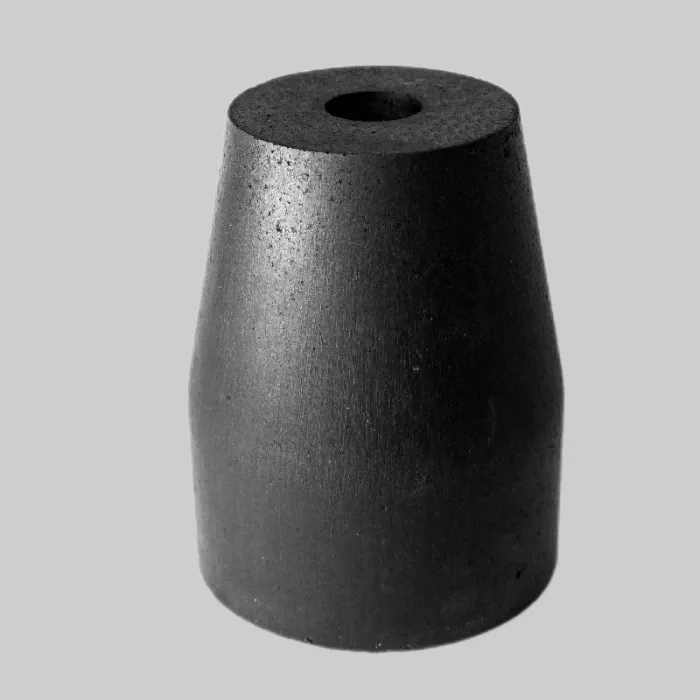
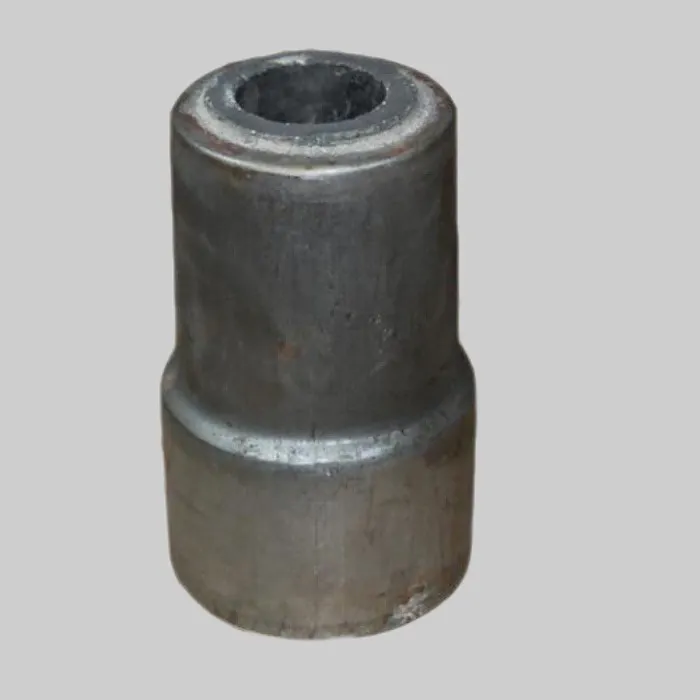
The Tundish Nozzle is responsible for distributing the molten metal from the tundish to the mold. A smooth surface finish is essential for maintaining a stable flow and preventing the formation of defects in the final product. The Refractory Collector Nozzle also benefits from a smooth surface finish to ensure efficient collection and transfer of the molten metal.
Manufacturing Processes for Achieving the Desired Surface Finish
As a zirconia nozzle supplier, we use various manufacturing processes to achieve the desired surface finish. One common method is machining, which involves using cutting tools to remove material from the nozzle surface to create a smooth finish. Grinding is another widely used process, which can produce a very fine surface finish.
Polishing can be further applied to achieve an even smoother surface. In addition to these mechanical processes, chemical etching can also be used to modify the surface finish. By carefully controlling the manufacturing process, we can produce zirconia nozzles with the optimal surface finish for different applications.
Conclusion
In conclusion, the surface finish of a zirconia nozzle plays a crucial role in its performance. It affects the flow characteristics, resistance to erosion and corrosion, thermal conductivity, and the attachment of inclusions. A smooth surface finish generally provides better performance in terms of flow efficiency, service life, and product quality.
As a zirconia nozzle supplier, we understand the importance of surface finish and strive to produce high - quality nozzles with the optimal surface characteristics. If you are in the market for zirconia nozzles and want to discuss your specific requirements, we would be more than happy to engage in a procurement discussion. Our team of experts can provide you with detailed information and solutions tailored to your needs.
References
- "Refractory Materials in Steelmaking" - A comprehensive book on the use of refractory materials, including zirconia nozzles, in the steel industry.
- Journal of Materials Science: Many studies in this journal have investigated the properties and performance of zirconia materials, including the impact of surface finish on their performance.
- Industry reports from leading steelmaking and refractory material associations, which provide insights into the latest trends and research in zirconia nozzle technology.