

Hey there! As a ladle shroud supplier, I often get asked about the corrosion resistance of ladle shrouds. So, I thought I'd take some time to break it down for you in this blog post.
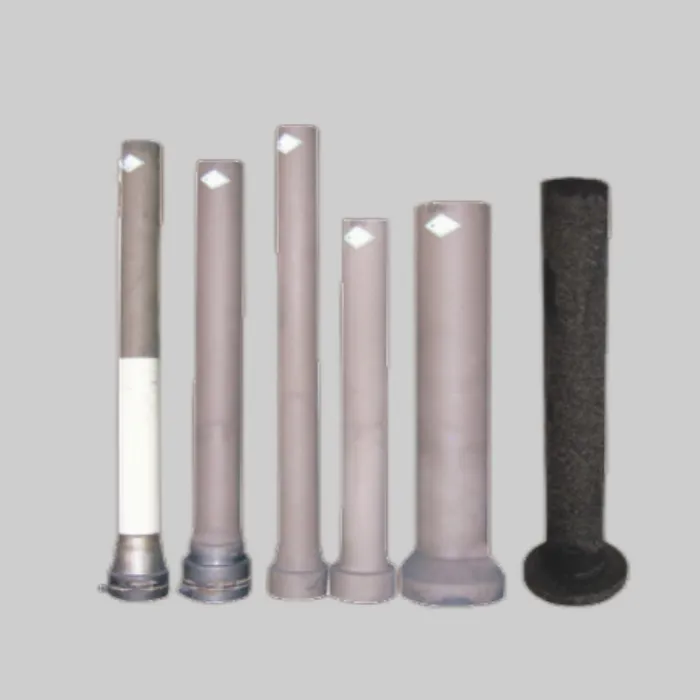
First off, let's talk about what a ladle shroud is. A ladle shroud is a crucial component in the continuous casting process. It's a tube - like refractory structure that connects the ladle (which holds the molten steel) to the tundish. Its main job is to protect the molten steel from coming into contact with the atmosphere, preventing oxidation and heat loss.
Now, when we're talking about corrosion resistance, we're referring to the ability of the ladle shroud to withstand the harsh conditions it's exposed to during the continuous casting process. The molten steel in the ladle can reach extremely high temperatures, typically around 1500 - 1600 degrees Celsius. Along with the high temperature, there are also chemical reactions taking place between the refractory material of the ladle shroud and the molten steel, slag, and other impurities.
One of the key factors that affect the corrosion resistance of a ladle shroud is the material it's made from. Most ladle shrouds are made from refractory materials like alumina - graphite, magnesia - carbon, or zirconia - based materials. Each of these materials has its own unique properties when it comes to corrosion resistance.
Alumina - graphite ladle shrouds are quite popular. Alumina is a highly refractory material that can withstand high temperatures, and graphite provides good thermal shock resistance. The combination of these two materials gives the ladle shroud decent corrosion resistance against molten steel. However, it can be vulnerable to oxidation in the presence of oxygen, which can reduce its effectiveness over time.
Magnesia - carbon ladle shrouds, on the other hand, are known for their excellent resistance to basic slag. The magnesia provides high refractoriness, and the carbon helps in improving the thermal shock resistance. These shrouds are often used in situations where the slag has a high basicity. They can resist the chemical attack from the basic slag better than some other materials.
Zirconia - based ladle shrouds are prized for their high melting point and excellent corrosion resistance. Zirconia has a very stable crystal structure, which makes it highly resistant to chemical reactions with molten steel and slag. However, zirconia is relatively expensive compared to alumina and magnesia, so its use is often more limited to specific applications where extreme corrosion resistance is required.
Another important aspect is the manufacturing process. A well - made ladle shroud with a uniform structure and proper density will have better corrosion resistance. During the manufacturing process, factors like the particle size distribution of the raw materials, the mixing process, and the firing temperature can all have a significant impact on the final properties of the ladle shroud.
For example, if the particle size of the refractory materials is not well - controlled, there may be gaps or weak points in the structure of the ladle shroud. These weak points can act as entry points for the molten steel and slag, leading to faster corrosion. Similarly, if the firing temperature is too low, the refractory material may not be fully sintered, which can also reduce its corrosion resistance.
The operating conditions also play a huge role in the corrosion of ladle shrouds. The flow rate of the molten steel through the ladle shroud can cause erosion. A high - velocity flow of molten steel can wear away the inner surface of the ladle shroud over time. Additionally, the composition of the molten steel and the slag can vary from one casting process to another. Some steels may contain more impurities or have a different chemical composition, which can increase the corrosiveness of the environment.
To improve the corrosion resistance of ladle shrouds, there are several strategies that can be employed. One common method is to apply a protective coating on the surface of the ladle shroud. These coatings can act as a barrier between the refractory material and the molten steel or slag, reducing the rate of corrosion. There are different types of coatings available, such as ceramic - based coatings or carbon - rich coatings.
Another approach is to optimize the design of the ladle shroud. For example, a well - designed ladle shroud can have a smooth inner surface, which can reduce the turbulence of the molten steel flow and thus minimize erosion. It can also have a proper shape that helps in maintaining a stable flow of the molten steel, reducing the chances of uneven wear and corrosion.
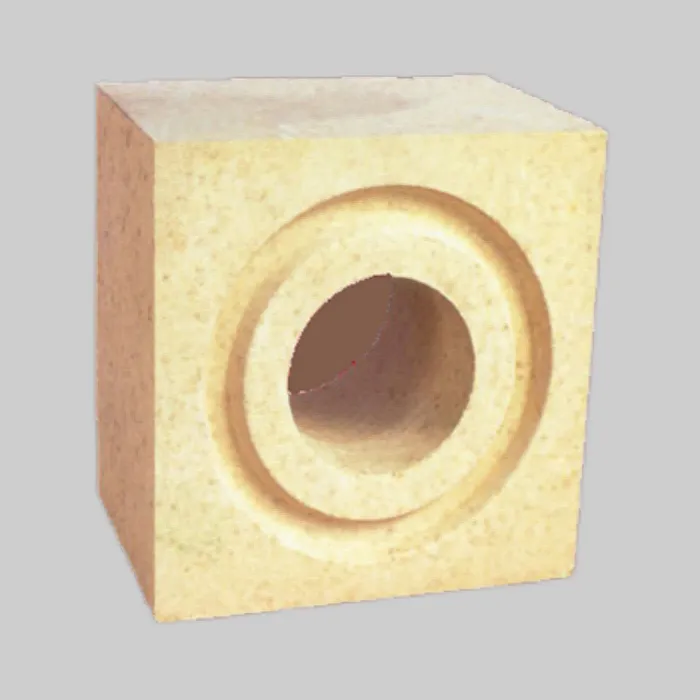
Now, if you're in the market for ladle shrouds, you might also be interested in related products like Well Blcok and Tundish Shroud. These are also important components in the continuous casting process, and having high - quality products can significantly improve the overall efficiency and quality of your casting operations.
As a ladle shroud supplier, I understand the importance of corrosion resistance in your casting process. We offer a wide range of ladle shrouds made from different materials, each carefully engineered to provide the best possible corrosion resistance for your specific needs. Whether you're dealing with high - temperature molten steel, aggressive slag, or high - velocity flow conditions, we have a solution for you.
If you're looking to improve the performance of your continuous casting process and need reliable ladle shrouds, don't hesitate to reach out. We're here to help you choose the right product and answer any questions you may have. You can find more information about our Ladle Shroud on our website.
In conclusion, the corrosion resistance of a ladle shroud is a complex topic that depends on multiple factors, including the material, manufacturing process, and operating conditions. By understanding these factors and taking appropriate measures, you can ensure that your ladle shrouds last longer and perform better in your casting operations. So, if you're interested in learning more or making a purchase, just get in touch, and let's start a conversation about how we can meet your requirements.
References
- "Refractories Handbook"
- "Continuous Casting Technology"
- Industry research papers on ladle shrouds and corrosion resistance