

What is the insulation performance of refractory mortar?
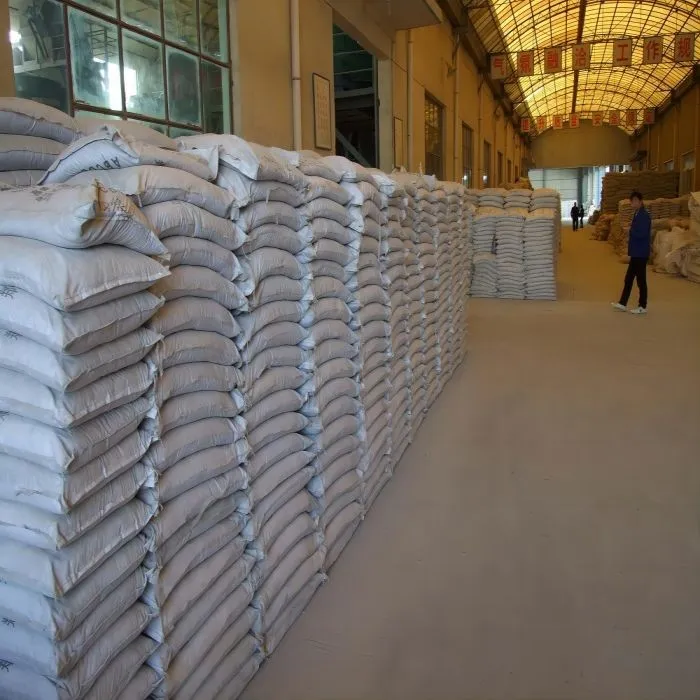
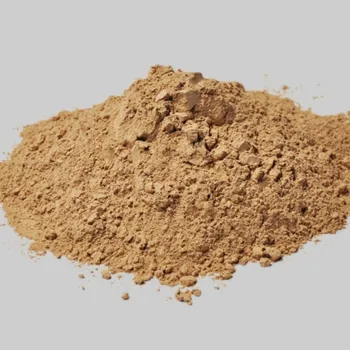
As a supplier of refractory mortar, I've had the privilege of witnessing firsthand the critical role this material plays in a wide range of high - temperature applications. Refractory mortar is not just another construction material; it's a specialized product designed to withstand extreme heat and provide excellent insulation. In this blog, we'll delve deep into the insulation performance of refractory mortar and understand why it's so important.
Understanding the Basics of Refractory Mortar
Refractory mortar is a type of mortar that is formulated to resist high temperatures. It is used to bond refractory bricks, which are also designed to withstand intense heat, in furnaces, kilns, incinerators, and other high - temperature environments. The composition of refractory mortar typically includes refractory aggregates, binders, and additives. The refractory aggregates, such as alumina, silica, or magnesia, provide the high - temperature resistance, while the binders hold the aggregates together.
Factors Affecting the Insulation Performance
1. Composition
The type and proportion of the raw materials in the refractory mortar have a significant impact on its insulation performance. For example, mortars with a high alumina content generally have better insulation properties. Alumina has a high melting point and low thermal conductivity, which means it can effectively reduce the transfer of heat. On the other hand, mortars with a high silica content may have different insulation characteristics. Silica is also a good refractory material, but its thermal conductivity can vary depending on its crystalline structure.
2. Density
The density of the refractory mortar is another crucial factor. Generally, lower - density refractory mortars have better insulation performance. This is because less dense materials have more air pockets within their structure. Air is a poor conductor of heat, so these air pockets act as insulators, reducing the rate of heat transfer through the mortar. However, it's important to note that lower - density mortars may have lower mechanical strength, so a balance needs to be struck between insulation and strength depending on the application.
3. Porosity
Porosity is closely related to density. Higher porosity in refractory mortar means more air spaces, which in turn leads to better insulation. However, excessive porosity can also make the mortar more susceptible to chemical attack and erosion. Manufacturers carefully control the porosity of refractory mortar during the production process to achieve the optimal balance between insulation and durability.
Measuring the Insulation Performance
The insulation performance of refractory mortar is typically measured by its thermal conductivity. Thermal conductivity is a measure of how easily heat can pass through a material. It is expressed in units of watts per meter - kelvin (W/m·K). A lower thermal conductivity value indicates better insulation performance.
Laboratory tests are commonly used to determine the thermal conductivity of refractory mortar. These tests involve creating a sample of the mortar and subjecting it to a temperature gradient. By measuring the heat flow through the sample and the temperature difference across it, the thermal conductivity can be calculated.
Applications and the Importance of Insulation
1. Furnaces
In industrial furnaces, where temperatures can reach several thousand degrees Celsius, the insulation performance of refractory mortar is crucial. Good insulation helps to reduce heat loss from the furnace, which in turn leads to energy savings. It also helps to maintain a more stable temperature inside the furnace, improving the quality of the heating process. For example, in a steel - making furnace, proper insulation can prevent heat from escaping to the surrounding environment, ensuring that the steel is heated evenly and efficiently.
2. Kilns
Kilns are used in various industries, such as ceramics and cement production. Refractory mortar with excellent insulation properties can help to reduce the energy consumption of kilns. By minimizing heat loss, the kiln can reach and maintain the required firing temperature more easily, resulting in cost savings and increased productivity.
3. Incinerators
Incinerators are used to burn waste at high temperatures. The insulation provided by refractory mortar is essential to protect the outer structure of the incinerator from the intense heat. It also helps to contain the heat within the incineration chamber, ensuring efficient combustion of the waste.
Our Product Range and Their Insulation Performance
As a supplier, we offer a variety of refractory mortars to meet different customer needs. Our Fire Resistant Brick Mortar is a high - quality product with excellent insulation properties. It is formulated with carefully selected refractory aggregates and binders to provide a low thermal conductivity and high - temperature resistance.
Our Firebrick Mortar Mix is another popular option. This mix is designed to be easy to use and provides good insulation for both small - scale and large - scale applications. It has been tested to ensure that it meets the industry standards for thermal conductivity.
For more specialized applications, we also offer Castable Refractory Mortar. This type of mortar can be cast into different shapes, making it suitable for complex structures. It has a low thermal conductivity and high strength, providing both insulation and durability.
Contact Us for Your Refractory Mortar Needs
If you're in the market for high - quality refractory mortar with excellent insulation performance, we're here to help. Our team of experts can provide you with detailed information about our products, including their insulation properties, applications, and installation requirements. Whether you're building a new furnace, kiln, or incinerator, or need to repair an existing one, we have the right refractory mortar for you.
Don't hesitate to reach out to us for a consultation. We look forward to discussing your project and finding the best refractory mortar solution for your needs.
References
- Schneider, Z., & Papp, A. (2018). Refractory Materials. Elsevier.
- Singh, R. N., & Ray, S. C. (2012). High Temperature Materials and Technology. CRC Press.
- ASTM International. (2020). Standard Test Methods for Thermal Conductivity of Refractory Materials by the Hot - Wire (Platinum) Method. ASTM C 1113.