

What is the Curing Time of Gunning Mix?
As a seasoned supplier of gunning mix, I've had numerous discussions with clients regarding various aspects of this essential refractory material. One question that frequently arises is: "What is the curing time of gunning mix?" In this blog, I'll delve into the factors that influence the curing time of gunning mix and provide insights to help you better understand this crucial aspect.
Understanding Gunning Mix
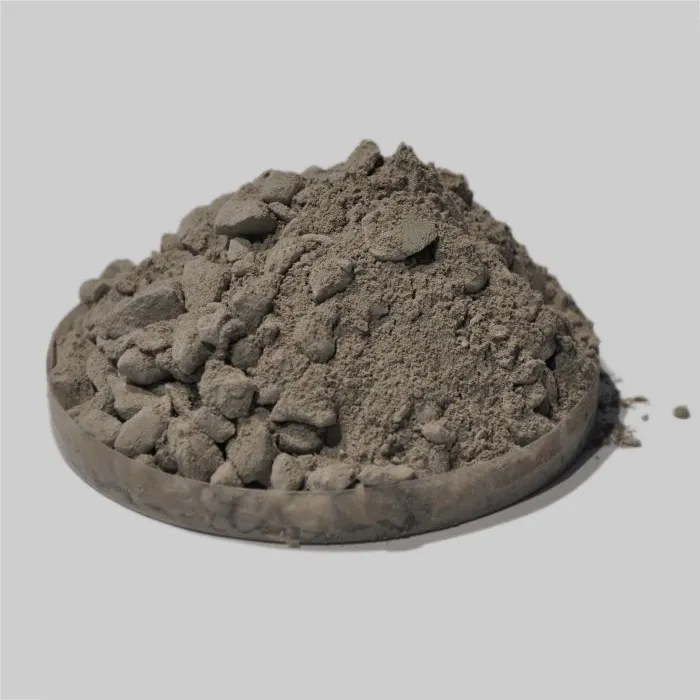
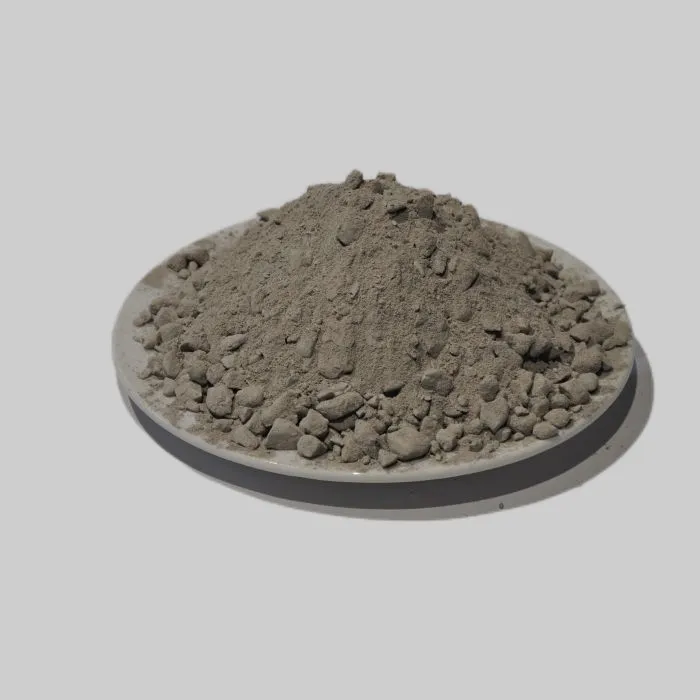
Before we explore the curing time, let's briefly understand what gunning mix is. Gunning mix is a refractory material used for patching and repairing furnaces, ladles, and other high - temperature equipment. It is applied by a gunning machine, which sprays the mix onto the damaged area. There are different types of gunning mix, such as Hot Patching EAF Gunning Mix for electric arc furnaces and Ladle Gunning Mix for ladles.
Factors Affecting Curing Time
The curing time of gunning mix is not a fixed value; it is influenced by several factors.
1. Composition of the Gunning Mix
The chemical and mineralogical composition of the gunning mix plays a significant role. Different raw materials have different reaction rates during the curing process. For example, gunning mixes containing high - alumina materials may have a different curing time compared to those with magnesia. High - alumina gunning mixes often have a relatively fast initial setting time due to the reactivity of alumina with the binder system. On the other hand, magnesia - based gunning mixes may require more time for the magnesia to react with other components and form a stable structure.
2. Binder System
The type of binder used in the gunning mix is a critical factor. There are two main types of binders: hydraulic binders and chemical binders.
- Hydraulic Binders: These binders, such as cement, harden through a hydration reaction. The curing time of gunning mixes with hydraulic binders is highly dependent on temperature and humidity. In general, higher temperatures accelerate the hydration reaction, reducing the curing time. For example, at a temperature of around 20 - 25°C and normal humidity, a cement - bonded gunning mix may take 24 - 48 hours to reach a sufficient strength for initial use. However, if the temperature drops below 10°C, the hydration reaction slows down significantly, and the curing time can extend to several days.
- Chemical Binders: Chemical binders, like phosphates or silicates, harden through a chemical reaction with the refractory aggregates. These reactions can be more complex and are also affected by temperature. Some chemical - bonded gunning mixes may require a heat - treatment step to complete the curing process. For instance, a phosphate - bonded gunning mix may need to be heated to a certain temperature (e.g., 200 - 300°C) for a specific period to achieve full curing.
3. Application Thickness
The thickness of the gunning mix layer applied also affects the curing time. A thicker layer takes longer to cure because heat and moisture need to penetrate through the entire thickness. When a thick layer of gunning mix is applied, the inner part of the layer may remain uncured for a longer time, even if the outer surface appears to be dry. For example, if a 50 - mm thick layer of gunning mix is applied, it may take twice as long to cure compared to a 25 - mm thick layer.
4. Temperature and Humidity
As mentioned earlier, temperature and humidity have a significant impact on the curing time. Higher temperatures speed up the chemical reactions involved in the curing process, while lower temperatures slow them down. In addition, humidity affects the evaporation of water in the gunning mix. In a dry environment, the water in the mix evaporates more quickly, which can lead to a faster initial setting. However, if the evaporation is too rapid, it may cause cracking and reduce the overall strength of the cured gunning mix. In a humid environment, the water evaporation is slower, and the curing process may take longer.
Typical Curing Times
Based on the above factors, here are some typical curing times for different types of gunning mix applications:
- Cold Patching Gunning Mix: For cold patching applications, where the gunning mix is applied at room temperature, a cement - bonded gunning mix may take 1 - 2 days to reach a strength that allows for light handling. However, for full strength development, it may take up to 7 days. Chemical - bonded cold patching gunning mixes may have a shorter curing time if they are designed for quick - setting, but they may still require a few hours to a day for initial strength and up to 3 - 5 days for full strength.
- Hot Patching Gunning Mix: In hot patching applications, such as Hot Patching EAF Gunning Mix used in electric arc furnaces, the high temperature of the furnace can significantly accelerate the curing process. The gunning mix can reach a usable strength within a few minutes to an hour, depending on the temperature of the furnace and the composition of the mix.
Importance of Proper Curing
Proper curing of gunning mix is essential for its performance. If the gunning mix is not cured properly, it may lead to several problems:
- Reduced Strength: Insufficient curing can result in a gunning mix with lower strength, making it more susceptible to erosion and wear during operation. This can lead to premature failure of the patched area and increased maintenance costs.
- Cracking: Rapid evaporation of water or incomplete chemical reactions during curing can cause cracking in the gunning mix. Cracks provide pathways for molten metal or slag to penetrate, further weakening the structure and reducing its service life.
- Poor Adhesion: Improper curing can also affect the adhesion of the gunning mix to the substrate. If the gunning mix does not adhere well, it may spall off during operation, leaving the underlying surface exposed to high - temperature and corrosive environments.
Tips for Controlling Curing Time
To ensure proper curing of gunning mix, here are some tips:
- Temperature Control: If possible, control the temperature during the curing process. In cold environments, use heating equipment to maintain an appropriate temperature. For hot - patching applications, ensure that the furnace temperature is within the recommended range for the gunning mix.
- Humidity Management: In dry environments, consider using a misting system to maintain a certain level of humidity and prevent rapid water evaporation. In humid environments, use dehumidifiers or ventilation to reduce humidity.
- Proper Application Thickness: Follow the manufacturer's recommendations for the application thickness. If a thick layer is required, consider applying it in multiple thin layers with appropriate intervals to allow for proper curing.
Conclusion
In conclusion, the curing time of gunning mix is a complex parameter that depends on multiple factors, including composition, binder system, application thickness, temperature, and humidity. As a gunning mix supplier, we understand the importance of providing accurate information about curing time to our customers. By understanding these factors and following the proper curing procedures, you can ensure the optimal performance and longevity of the gunning mix in your high - temperature applications.
If you are interested in purchasing high - quality gunning mix for your specific needs, we are here to assist you. Our team of experts can provide you with detailed information about the curing time and other technical aspects of our products. Contact us today to start a discussion about your requirements and explore how our gunning mix can meet your expectations.
References
- "Refractory Materials Handbook", John Wiley & Sons, Inc.
- Technical reports from refractory research institutions.