

In the realm of steelmaking, tundish nozzles play a crucial role in controlling the flow of molten steel from the tundish to the mold. As a seasoned tundish nozzle supplier, I've witnessed firsthand the importance of understanding the differences between submerged and open tundish nozzles. This knowledge is not only essential for optimizing the steelmaking process but also for ensuring the quality of the final steel products. In this blog, I'll delve into the key differences between these two types of nozzles, their respective advantages and disadvantages, and how to choose the right one for your specific needs.
Design and Structure
The most obvious difference between submerged and open tundish nozzles lies in their design and structure. An open tundish nozzle, as the name suggests, is open to the atmosphere. It typically consists of a simple tube - like structure that allows molten steel to flow freely from the tundish into the mold. The opening at the end of the nozzle is exposed, and there is no physical barrier between the molten steel and the surrounding air.
On the other hand, a submerged tundish nozzle is designed to be immersed in the molten steel bath in the mold. It has a more complex structure, often with multiple ports or holes at the bottom to distribute the molten steel evenly. The nozzle is connected to the tundish and extends down into the mold, creating a closed - loop system that isolates the molten steel from the atmosphere.
Protection Against Oxidation
One of the primary functions of a tundish nozzle is to protect the molten steel from oxidation. Oxidation can lead to the formation of inclusions in the steel, which can significantly degrade its quality.
Open tundish nozzles offer limited protection against oxidation. Since the molten steel is exposed to the atmosphere, it can react with oxygen in the air, forming iron oxides and other impurities. These inclusions can cause surface defects, reduce the mechanical properties of the steel, and affect its overall performance.
Submerged tundish nozzles, however, provide excellent protection against oxidation. By being submerged in the molten steel bath, they prevent the molten steel from coming into contact with the atmosphere. This reduces the formation of inclusions and helps maintain the purity of the steel. As a result, steel produced using submerged tundish nozzles generally has better surface quality and mechanical properties.
Flow Control
Flow control is another critical aspect in steelmaking, and the two types of nozzles differ in this regard.
Open tundish nozzles rely mainly on the height of the molten steel in the tundish and the diameter of the nozzle to control the flow rate. While this method is relatively simple, it can be challenging to achieve precise flow control, especially during changes in the steelmaking process. Small variations in the tundish level or nozzle diameter can lead to significant fluctuations in the flow rate, which can affect the casting process and the quality of the final product.
Submerged tundish nozzles, on the other hand, offer more precise flow control. Their design allows for better distribution of the molten steel, and flow control devices can be easily integrated. For example, slide gates or stopper rods can be used to adjust the flow rate accurately. This precise control helps ensure a stable and consistent casting process, resulting in higher - quality steel products.
Erosion and Wear
Erosion and wear are common problems in tundish nozzles due to the high - temperature and high - velocity flow of molten steel.
Open tundish nozzles are more susceptible to erosion and wear. The direct exposure to the high - velocity molten steel stream can cause rapid erosion of the nozzle material, especially at the opening. This can lead to changes in the nozzle diameter, which in turn affects the flow rate and the quality of the steel.
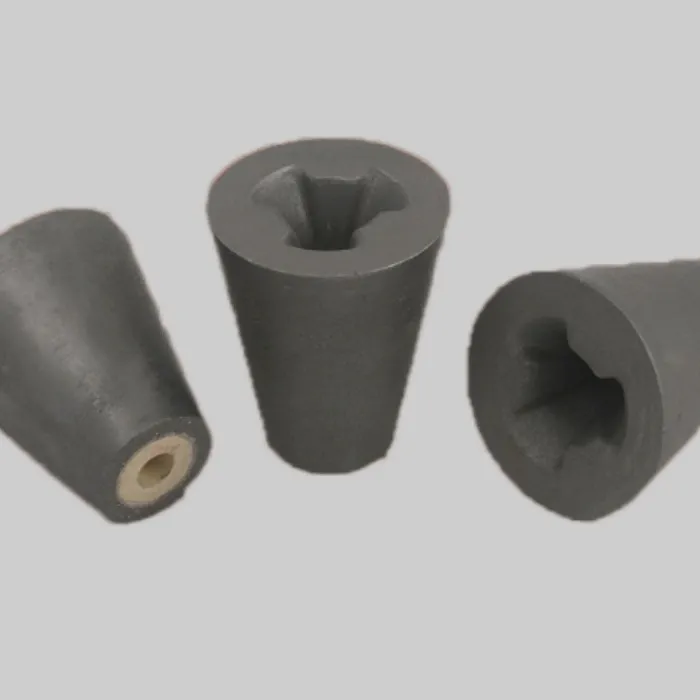
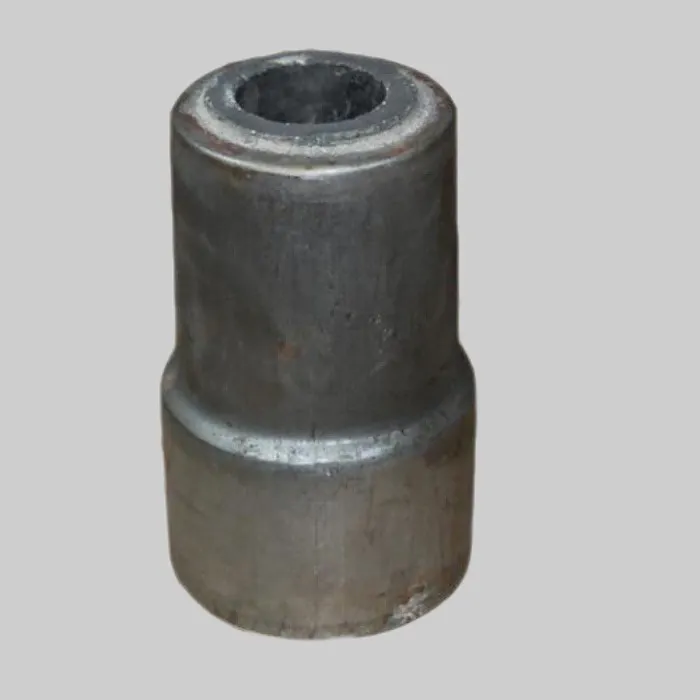
Submerged tundish nozzles, although also subject to erosion and wear, generally have a longer service life. The design of the submerged nozzle distributes the molten steel more evenly, reducing the local erosion at the nozzle ports. Additionally, advanced refractory materials can be used in the construction of submerged nozzles to enhance their resistance to erosion and wear. For high - quality Zirconium Sizing Nozzle and Refractory Ladle Nozzle, which can be used in submerged tundish systems, you can explore our product range.
Application Scenarios
The choice between submerged and open tundish nozzles depends largely on the specific application scenarios.
Open tundish nozzles are often used in situations where the quality requirements for the steel are relatively low, or when the casting process is simple and does not require precise flow control. For example, in some small - scale steelmaking operations or for the production of low - grade steel products, open tundish nozzles may be a cost - effective option.
Submerged tundish nozzles are preferred in high - quality steel production, such as the production of automotive steel, electrical steel, and stainless steel. Their ability to protect the molten steel from oxidation, provide precise flow control, and resist erosion makes them ideal for applications where the quality of the steel is of utmost importance. If you are interested in our Tundish Nozzle products for high - end steelmaking, feel free to reach out.
Cost Considerations
Cost is always an important factor in any industrial process.
Open tundish nozzles are generally less expensive than submerged tundish nozzles. Their simple design and construction require less material and manufacturing processes, resulting in lower production costs. However, the cost savings from using open tundish nozzles may be offset by the potential quality issues and the need for more frequent nozzle replacements due to erosion and wear.
Submerged tundish nozzles, while more expensive upfront, can offer long - term cost savings. Their longer service life and the ability to produce higher - quality steel can reduce the overall production cost by minimizing the need for rework and improving the yield of the steelmaking process.
Conclusion
In conclusion, the differences between submerged and open tundish nozzles are significant, and each type has its own advantages and disadvantages. As a tundish nozzle supplier, I understand that choosing the right nozzle is crucial for the success of your steelmaking operations. Whether you need a simple and cost - effective open tundish nozzle or a high - performance submerged tundish nozzle for high - quality steel production, we have the expertise and product range to meet your needs.
If you are looking for a reliable tundish nozzle supplier and want to discuss your specific requirements, please don't hesitate to contact us. We are committed to providing you with the best solutions and high - quality products to optimize your steelmaking process.
References
- "Steelmaking and Refining Handbook" by G. E. Totten and D. S. MacKenzie.
- "Refractory Materials: Properties, Selection, and Application" by P. V. Ramakrishna.
- Industry reports on steelmaking and tundish nozzle technology.