

Hey there! As a supplier of tundish nozzles, I've seen firsthand how these little components can have a huge impact on the quality of steel. In this blog, I'm gonna talk about the effect of tundish nozzles on the formation of steel defects.
Let's start with the basics. Tundish nozzles are used in the continuous casting process of steel. They're the channels that allow molten steel to flow from the tundish into the mold. Sounds simple, right? But the design and performance of these nozzles can make or break the quality of the final steel product.
One of the most common steel defects is inclusions. These are non - metallic particles that get trapped in the steel during the casting process. Tundish nozzles can play a big role in either reducing or increasing the number of inclusions.
If the tundish nozzle has a smooth inner surface, it can help the molten steel flow more evenly. When the flow is smooth, there's less chance for inclusions to get stirred up and incorporated into the steel. On the other hand, a rough - surfaced nozzle can cause turbulence in the steel flow. This turbulence can pick up inclusions from the tundish lining or the molten steel itself and carry them into the mold, leading to more defective steel.
Another factor is the shape of the tundish nozzle. Nozzles with well - designed flow channels can direct the molten steel in a controlled manner. For example, a properly shaped nozzle can create a laminar flow, which is a smooth, orderly flow of the steel. Laminar flow helps inclusions to float to the surface of the molten steel in the mold, where they can be removed more easily. In contrast, a poorly shaped nozzle may create a chaotic flow pattern, making it difficult for inclusions to separate from the steel.
Now, let's talk about clogging. Clogging of tundish nozzles is a major headache in the steelmaking process. When a nozzle clogs, it restricts the flow of molten steel. This can lead to uneven filling of the mold, which in turn can cause defects like cracks and uneven thickness in the steel product.
There are a few reasons why nozzles clog. One is the deposition of inclusions on the inner walls of the nozzle. As the molten steel flows through the nozzle, inclusions can stick to the walls. Over time, these deposits build up and eventually block the nozzle. Another reason is the reaction between the molten steel and the nozzle material. Some nozzle materials may react with certain elements in the steel, forming solid compounds that can clog the nozzle.
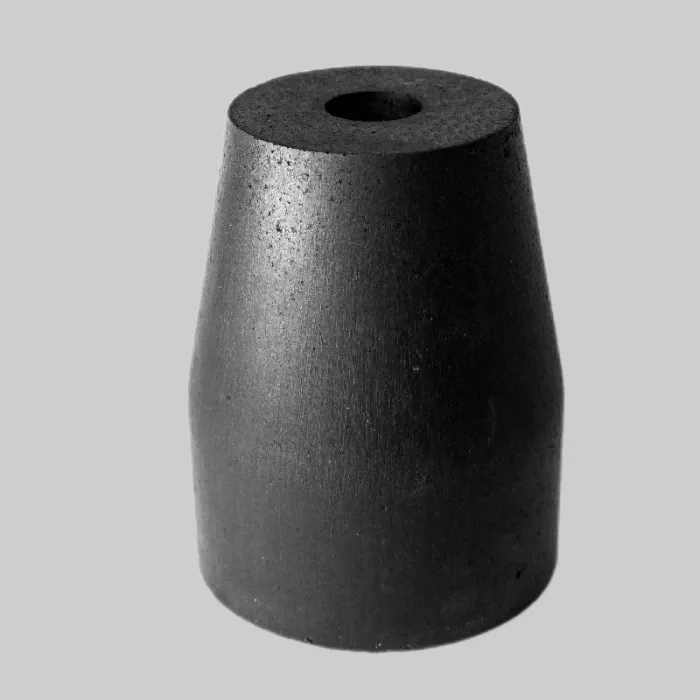
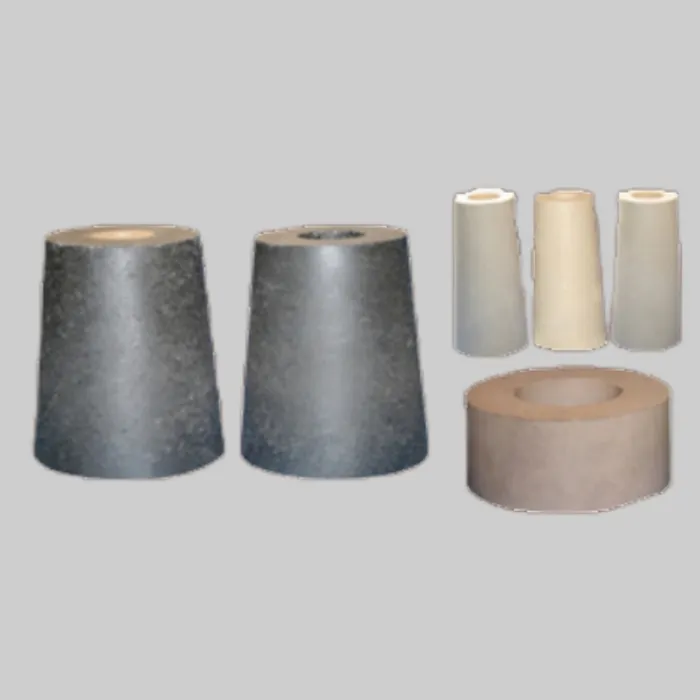
As a tundish nozzle supplier, we offer a variety of high - quality nozzles to address these issues. For example, our Refractory Collector Nozzle is designed to have a smooth inner surface and a well - optimized flow channel. This helps to minimize turbulence and reduce the chances of inclusion entrainment. It also has good resistance to clogging, thanks to its special refractory material.
Our Zirconia Nozzle is another great option. Zirconia is a very hard and chemically stable material. It can withstand the high temperatures and corrosive environment of molten steel. This means that the zirconia nozzle is less likely to react with the steel and cause clogging. It also provides a smooth flow path for the molten steel, which is beneficial for reducing inclusions.
The Refractory Ladle Nozzle is also an important part of our product range. It's designed to work in conjunction with the tundish nozzle to ensure a continuous and smooth flow of molten steel from the ladle to the tundish and then to the mold. A well - functioning refractory ladle nozzle can prevent the introduction of additional inclusions and help maintain a stable casting process.
In addition to inclusions and clogging, tundish nozzles can also affect the formation of other steel defects such as porosity. Porosity refers to the presence of small holes or voids in the steel. If the flow of molten steel through the nozzle is not properly controlled, it can lead to the entrapment of gas bubbles in the steel. These gas bubbles can create porosity in the final steel product.
A good tundish nozzle can help to prevent gas entrapment. For example, some nozzles are designed with features that allow for the release of gas during the steel flow. This can reduce the amount of gas that gets trapped in the steel and thus minimize porosity.
The material of the tundish nozzle is also crucial. Different materials have different properties in terms of heat resistance, chemical stability, and wear resistance. For high - quality steel production, it's important to choose a nozzle material that can withstand the specific conditions of the steelmaking process. For instance, in some cases where the steel has a high content of reactive elements, a more chemically stable nozzle material like zirconia may be required.
To sum it up, tundish nozzles have a significant impact on the formation of steel defects. From inclusions and clogging to porosity, the design, shape, and material of the nozzle all play important roles in determining the quality of the final steel product.
If you're in the steelmaking business and are looking for reliable tundish nozzles to improve the quality of your steel and reduce defects, we're here to help. We've got a wide range of products, including the Refractory Collector Nozzle, Zirconia Nozzle, and Refractory Ladle Nozzle, that are designed to meet your specific needs. Contact us for a detailed discussion about your requirements and let's work together to produce better - quality steel.
References
- Smith, J. (2018). Steelmaking and the Role of Tundish Nozzles. Steel Industry Journal, 25(3), 45 - 52.
- Johnson, R. (2019). Understanding Steel Defects and the Impact of Nozzle Design. Metallurgical Review, 32(2), 67 - 74.
- Brown, A. (2020). Advances in Tundish Nozzle Materials for Improved Steel Quality. Materials Science in Steelmaking, 18(4), 89 - 96.