

Hey there, fellow metallurgy enthusiasts! As a supplier of tundish nozzles, I've spent a good deal of time thinking about how these little pieces of equipment can have a huge impact on the quality of billets and blooms. So, let's dive into what the effect of tundish nozzles is on the quality of these products.
First off, let's talk about what tundish nozzles are. A tundish nozzle is a crucial part in the continuous casting process. It's basically a tube that allows molten steel to flow from the tundish, which acts as a buffer between the ladle and the mold, into the mold where it solidifies to form billets or blooms. You can check out more details about Tundish Nozzle on our website.
One of the key effects of tundish nozzles on billet and bloom quality is related to the flow control. A well - designed tundish nozzle can ensure a smooth and steady flow of molten steel into the mold. When the flow is smooth, it helps to prevent issues like turbulence and splashing. Turbulence can cause air to be entrained into the molten steel, which leads to the formation of pores and inclusions in the billets and blooms. These pores and inclusions can significantly reduce the mechanical properties of the final products, making them more prone to cracking and failure.
On the other hand, if the flow is too slow, it can result in uneven solidification. The molten steel at the edges of the mold may start to solidify faster than the center, leading to a non - uniform structure in the billet or bloom. This non - uniformity can cause problems during further processing, such as rolling or forging.
The material of the tundish nozzle also plays a vital role. For example, Refractory Collector Nozzle is made of refractory materials. Refractory materials are known for their ability to withstand high temperatures without melting or deforming. This is extremely important because the molten steel can reach temperatures of over 1500 degrees Celsius. If the nozzle material cannot withstand these high temperatures, it may start to erode or even melt, contaminating the molten steel with nozzle material particles. These particles can become inclusions in the billets and blooms, degrading their quality.
Another type of nozzle is the Zirconia Nozzle. Zirconia has excellent thermal shock resistance and chemical stability. It can resist the corrosive action of molten steel and slag, which is often present in the tundish. This means that a zirconia nozzle can maintain its shape and integrity for a longer time during the casting process. A stable nozzle shape is essential for maintaining a consistent flow of molten steel, which in turn contributes to the high - quality of billets and blooms.
The inner diameter of the tundish nozzle also affects the quality of the final products. A nozzle with an appropriate inner diameter can ensure that the molten steel has the right velocity as it enters the mold. If the inner diameter is too large, the molten steel may flow too fast, causing splashing and turbulence. Conversely, if the inner diameter is too small, the flow may be restricted, leading to blockages and uneven filling of the mold.
In addition to flow control, tundish nozzles can also have an impact on the cleanliness of the molten steel. Some advanced tundish nozzles are designed with features to filter out inclusions from the molten steel as it passes through. These inclusions can be oxides, sulfides, or other non - metallic particles that are present in the molten steel. By removing these inclusions, the nozzle helps to produce cleaner billets and blooms with better surface finish and mechanical properties.
The design of the tundish nozzle tip is also crucial. A well - designed tip can help to distribute the molten steel evenly across the cross - section of the mold. This even distribution promotes uniform solidification and reduces the likelihood of defects such as centerline segregation. Centerline segregation occurs when certain elements in the molten steel, like carbon and sulfur, segregate to the center of the billet or bloom during solidification. This can lead to variations in the chemical composition and mechanical properties of the final product.
Now, let's talk about the long - term effects of using high - quality tundish nozzles. When you use nozzles that are designed and manufactured to a high standard, you can expect a more consistent quality of billets and blooms. This consistency is very important for downstream processes. For example, in the automotive industry, where high - strength and high - quality steel components are required, consistent billet and bloom quality ensures that the final products meet the strict quality standards.
Moreover, using good tundish nozzles can also improve the productivity of the continuous casting process. Nozzles that are less prone to erosion and blockages mean fewer interruptions in the casting process. This leads to higher production rates and lower production costs in the long run.
As a tundish nozzle supplier, I understand the importance of providing products that can meet the diverse needs of our customers. Whether you're in the business of producing small - scale specialty steels or large - scale commercial steels, we have a range of tundish nozzles to suit your requirements.
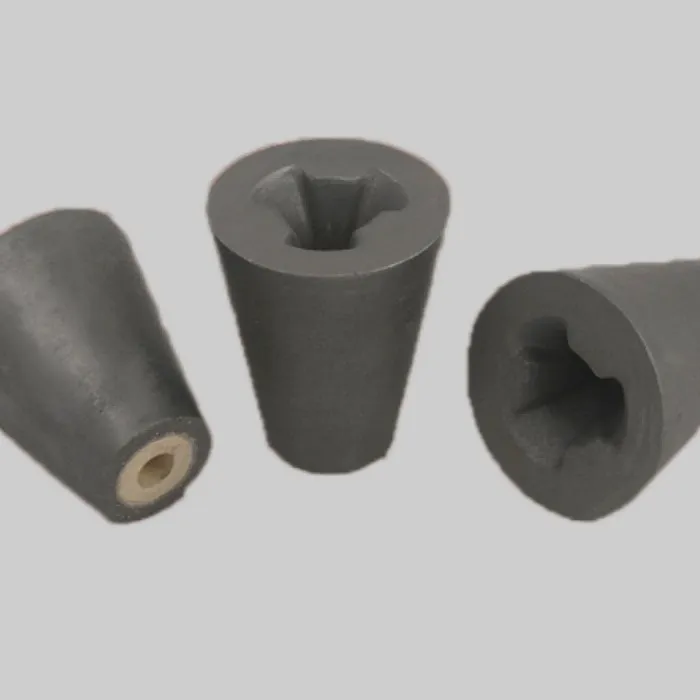
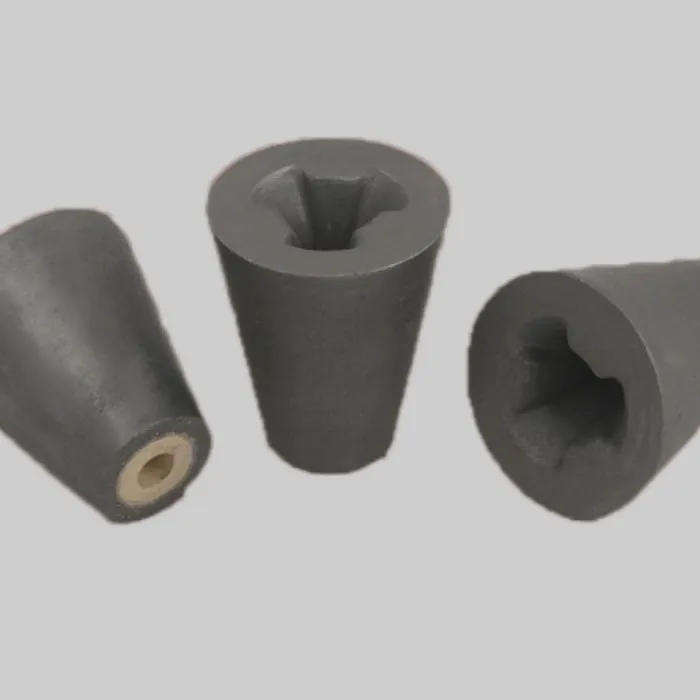
If you're interested in improving the quality of your billets and blooms, I encourage you to get in touch with us for a detailed discussion. We can help you select the right tundish nozzle based on your specific casting process, the type of steel you're producing, and your quality requirements. Our team of experts is always ready to assist you in making the best choice.
In conclusion, tundish nozzles have a profound effect on the quality of billets and blooms. From flow control and material selection to inclusion filtering and tip design, every aspect of the nozzle plays a role in determining the final quality of the products. By choosing high - quality tundish nozzles, you can enhance the mechanical properties, surface finish, and consistency of your billets and blooms, while also improving the productivity of your continuous casting process. So, don't hesitate to reach out and start a conversation about how we can work together to take your steel production to the next level.
References
- "Continuous Casting of Steel" by John F. Wallace
- "Refractories for Steelmaking" by David W. Richerson
- Industry reports on steel casting technology and quality control