

Yo, all you industry peeps out there! I'm a supplier of refractory mortar, and today I wanna chat about one of the key aspects of this stuff - its hardness.
So, what the heck is the hardness of refractory mortar? Well, let's break it down. Hardness in the context of refractory mortar refers to its ability to resist wear, indentation, and abrasion. It's a crucial property, especially when you're dealing with high - temperature and high - stress environments.
Refractory mortar is used in a whole bunch of applications. Think about furnaces, kilns, fireplaces, and other industrial heating systems. In these places, the mortar has to withstand extreme conditions. High temperatures can soften materials, and the constant thermal cycling can cause expansion and contraction. If the mortar isn't hard enough, it can start to break down, crack, or crumble. This can lead to leaks, reduced efficiency of the equipment, and even safety hazards.
There are different types of refractory mortar, each with its own hardness characteristics. For instance, Refractory Fire Clay Mortar is a popular choice. It's made from fire clay, which is a type of clay that can withstand high temperatures without melting. This type of mortar usually has a moderate hardness. It's soft enough to be easily applied during installation but hard enough to hold up under normal operating conditions in smaller - scale applications like home fireplaces.
Another type is Refractory Cement Mortar. This stuff is a bit different. It contains cementitious materials along with refractory aggregates. The presence of cement gives it a higher initial strength and hardness. It sets faster than some other types of refractory mortar, which is great for getting a project up and running quickly. Refractory cement mortar can handle higher mechanical loads and is often used in large - scale industrial furnaces where there's more stress on the joints.
Then there's High Heat Brick Mortar. As the name suggests, this mortar is designed for extremely high - heat environments. It has a high hardness level to resist the intense heat and the associated mechanical stresses. It's formulated to bond bricks together tightly and maintain its integrity even when exposed to temperatures that would make other materials turn to goo.
Now, how do we measure the hardness of refractory mortar? Well, there are a few methods. One common way is the Brinell hardness test. In this test, a hard ball is pressed into the surface of the mortar with a known force. The diameter of the resulting indentation is measured, and from that, the Brinell hardness number is calculated. Another method is the Rockwell hardness test, which uses a diamond cone or a hard steel ball to make an indentation. The depth of the indentation is measured to determine the hardness.
The hardness of refractory mortar can also be affected by several factors. The composition of the mortar is a big one. Different raw materials have different hardness properties. For example, if you use a higher proportion of hard refractory aggregates in the mix, the resulting mortar will generally be harder. The firing process also plays a role. Mortars that are fired at higher temperatures for longer periods tend to have greater hardness. The curing conditions, such as temperature and humidity, can also influence the final hardness of the mortar.
As a supplier, I know how important it is to get the hardness of the refractory mortar right. We've spent a lot of time in the lab, experimenting with different formulations to ensure that our products meet the needs of our customers. Whether you're building a small - scale fireplace or a large industrial furnace, we've got a refractory mortar that can stand up to the job.
If you're in the market for refractory mortar, you need to think about the specific requirements of your project. Consider the operating temperature, the mechanical stresses, and the installation conditions. If you're dealing with a low - temperature application with minimal stress, a softer mortar like the refractory fire clay mortar might be sufficient. But if you're working in a high - heat, high - stress environment, you'll want to go for something like the high heat brick mortar.
We also offer technical support to help you choose the right product. Our team of experts can answer your questions, provide recommendations based on your project details, and even help you with installation tips. We understand that every project is unique, and we're committed to providing the best solutions for our customers.
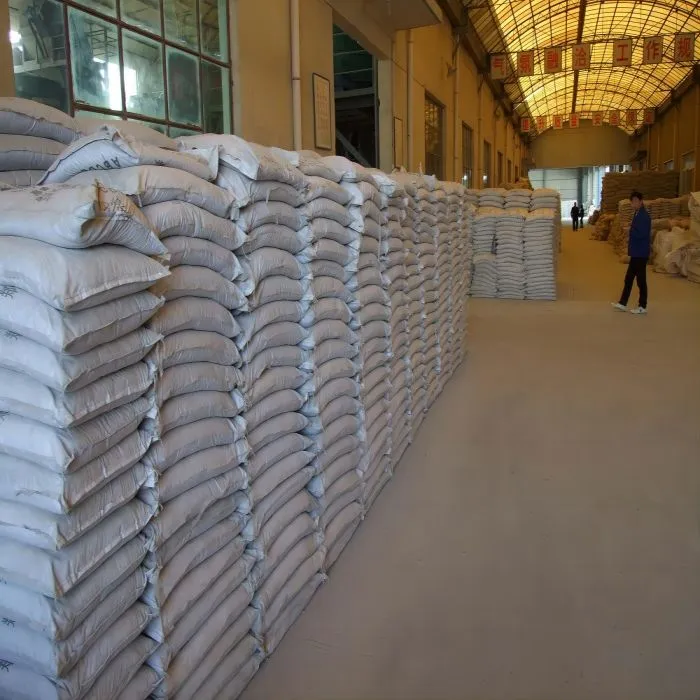
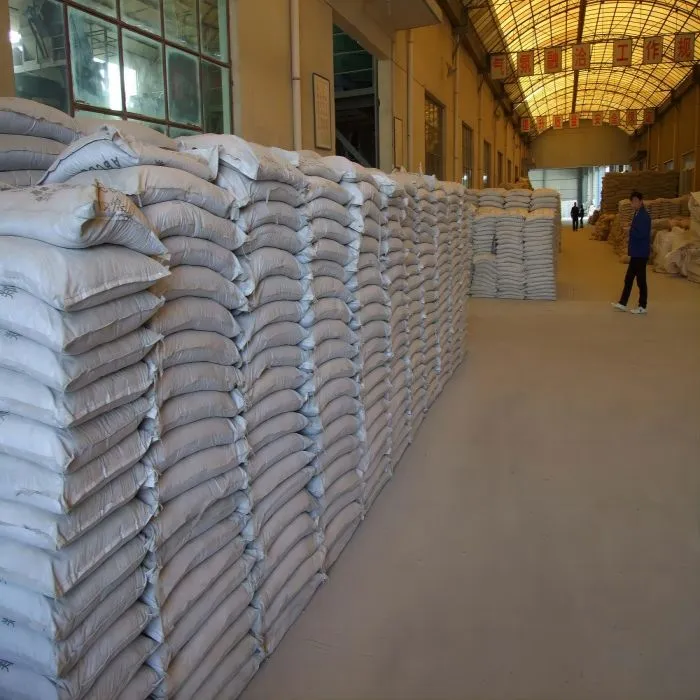
So, if you're interested in purchasing refractory mortar, don't hesitate to reach out. We can work with you to ensure that you get the exactly right product for your needs. Whether you need a small quantity for a DIY project or a large - scale order for an industrial application, we're here to serve you.
In conclusion, the hardness of refractory mortar is a vital property that can greatly impact the performance and longevity of your heating systems. By understanding the different types of mortar and their hardness characteristics, you can make an informed decision when it comes to your next project. If you've got any questions or you're ready to start a procurement process, drop us a line. We're looking forward to working with you!
References
- ASTM International standards related to refractory materials
- "Handbook of Refractory Materials" - a comprehensive resource on refractory products and their properties