

The industrial furnace is a key equipment in many industrial processes, and energy consumption is one of the most important factors affecting its operating cost. As a ramming mass supplier, I have witnessed firsthand the significant impact that ramming mass can have on the energy consumption of industrial furnaces. In this blog post, I will delve into the various ways in which ramming mass influences energy consumption and explain why choosing the right ramming mass is crucial for energy - efficient furnace operation.
Understanding Ramming Mass
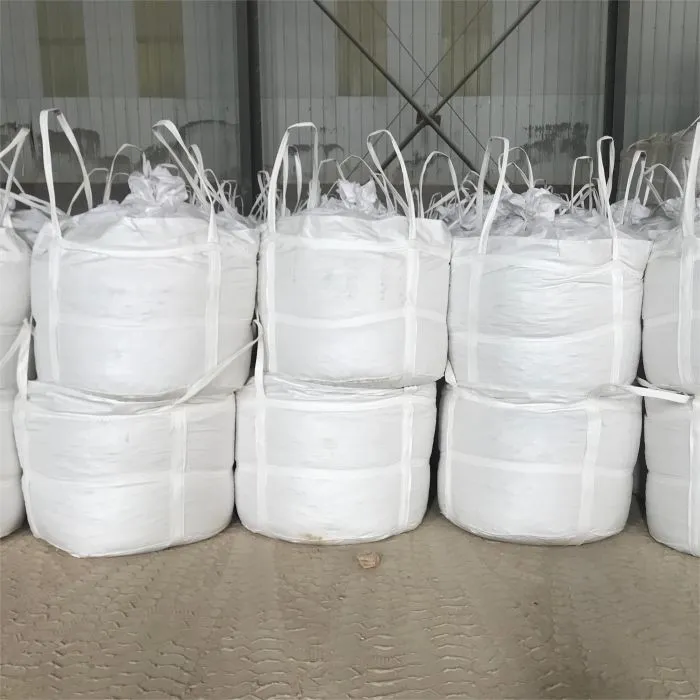
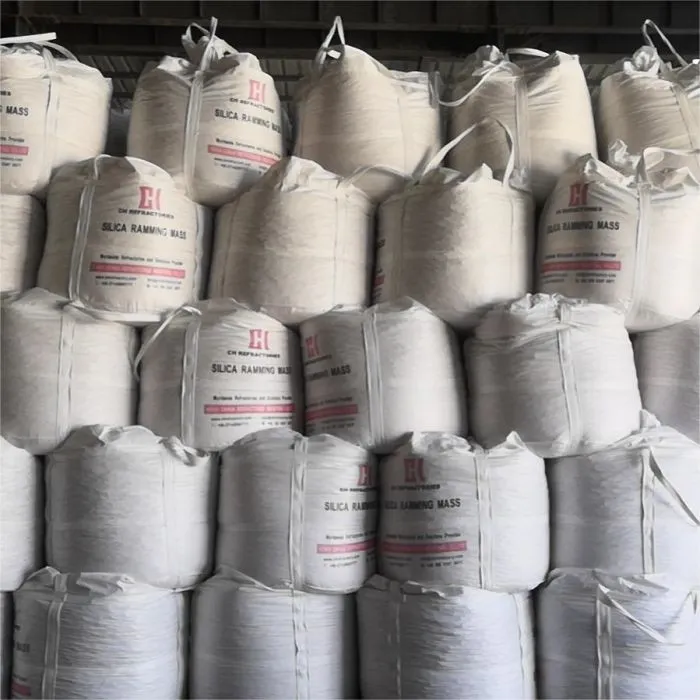
Ramming mass is a refractory material used for lining industrial furnaces. It is typically installed by ramming it into place, which gives it a dense and uniform structure. There are different types of ramming mass, including Acid Ramming Mass, Neutral Ramming Mass, and Pre Mix Silica Ramming Mass. Each type has its own unique properties and is suitable for different furnace applications.
Thermal Insulation and Energy Conservation
One of the primary ways ramming mass affects energy consumption is through its thermal insulation properties. A good ramming mass acts as a barrier, reducing the heat transfer from the furnace interior to the surroundings. When the heat loss is minimized, the furnace requires less energy to maintain the desired operating temperature.
High - quality ramming mass has a low thermal conductivity. This means that it resists the flow of heat, keeping the heat inside the furnace where it is needed for the industrial process. For example, in a steel - making furnace, a well - insulated lining made of ramming mass can significantly reduce the amount of additional energy required to melt the steel. If the ramming mass has poor insulation properties, a large amount of heat will escape through the furnace walls, and the furnace will have to consume more fuel or electricity to compensate for the heat loss.
Resistance to Thermal Shock
Industrial furnaces often experience rapid temperature changes during operation. For instance, when a furnace is loaded with cold materials or when the heating rate is adjusted, the lining is subjected to thermal shock. Ramming mass with good resistance to thermal shock can maintain its integrity under these conditions.
If the ramming mass cracks or spalls due to thermal shock, it can lead to increased heat loss. Cracks provide pathways for heat to escape, and the exposed areas of the furnace structure may also start to absorb heat from the surroundings, disrupting the thermal balance of the furnace. As a result, the furnace will need to use more energy to keep the process going. By using a ramming mass that can withstand thermal shock, the furnace can operate more efficiently, reducing energy consumption over time.
Chemical Stability and Corrosion Resistance
The chemical environment inside an industrial furnace can be very harsh. The molten materials, gases, and slag can react with the ramming mass lining. If the ramming mass is not chemically stable or corrosion - resistant, it will gradually deteriorate.
A corroded ramming mass lining loses its insulating properties. The damaged areas allow heat to leak out, and the furnace may also require more energy to compensate for the reduced efficiency. Additionally, a corroded lining may need to be replaced more frequently, which not only incurs additional costs but also causes downtime during the replacement process. Downtime means that the furnace is not in operation, and when it is restarted, it consumes a significant amount of energy to reach the operating temperature again.
Density and Compaction
The density and compaction of the ramming mass also play a role in energy consumption. A well - compacted ramming mass has fewer voids and pores. Voids can act as channels for heat transfer, allowing heat to escape more easily from the furnace.
During the installation process, proper ramming techniques are essential to achieve the desired density. If the ramming is not done correctly, the resulting lining may have uneven density, with some areas having more voids than others. This unevenness can lead to inconsistent heat distribution and increased heat loss. A dense and uniformly compacted ramming mass lining provides a more efficient thermal barrier, reducing the energy needed to maintain the furnace temperature.
Impact on Combustion Efficiency
In some industrial furnaces, the ramming mass can also affect the combustion efficiency. For example, in a furnace where combustion occurs, a lining made of ramming mass that can reflect and radiate heat back into the combustion chamber can improve the combustion process.
When heat is reflected back into the combustion zone, the fuel burns more completely. Incomplete combustion not only wastes fuel but also releases pollutants into the environment. By using a ramming mass that enhances the combustion efficiency, the furnace can use less fuel to produce the same amount of heat, thereby reducing energy consumption and operating costs.
Case Studies
Let's look at some real - world examples to illustrate the impact of ramming mass on energy consumption. In a glass - manufacturing plant, a company replaced its old ramming mass lining with a high - performance Pre Mix Silica Ramming Mass. The new ramming mass had better thermal insulation and resistance to chemical corrosion. As a result, the energy consumption of the glass - melting furnace decreased by 15%. The company was able to save a significant amount of money on energy costs over time.
In another case, a foundry switched to a more thermally shock - resistant ramming mass. After the replacement, the frequency of furnace shutdowns due to lining damage was reduced. Since less energy was wasted on restarting the furnace after each shutdown, the overall energy consumption of the foundry's melting furnaces decreased by 10%.
Choosing the Right Ramming Mass
As a ramming mass supplier, I understand the importance of helping customers choose the right ramming mass for their specific furnace applications. When selecting ramming mass, several factors need to be considered, such as the type of industrial process, the operating temperature range, the chemical environment, and the frequency of thermal cycling.
For high - temperature applications like steel - making, a ramming mass with high - temperature resistance and excellent thermal insulation is required. In a furnace where there are acidic gases, an Acid Ramming Mass may be the best choice as it has good resistance to acid corrosion.
Conclusion
In conclusion, ramming mass has a profound impact on the energy consumption of industrial furnaces. Its thermal insulation properties, resistance to thermal shock, chemical stability, density, and influence on combustion efficiency all contribute to the overall energy efficiency of the furnace.
By choosing the right ramming mass and ensuring proper installation and maintenance, industrial operators can significantly reduce their energy costs, improve the performance of their furnaces, and contribute to a more sustainable industrial environment.
If you are looking for high - quality ramming mass to improve the energy efficiency of your industrial furnace, I invite you to contact us. Our team of experts can help you select the most suitable ramming mass for your specific needs and provide you with professional installation and after - sales support. Let's work together to optimize your furnace operation and reduce energy consumption.
References
- Schneider, E. (2018). Refractory Materials in Industrial Furnaces. Industrial Materials Journal, 25(3), 123 - 135.
- Johnson, R. (2019). Energy - Saving Strategies for Industrial Furnaces. Energy Efficiency Review, 32(2), 45 - 56.
- Brown, M. (2020). The Role of Ramming Mass in Furnace Lining Technology. Furnace Engineering Quarterly, 40(1), 78 - 89.