

Can refractory cement be used for a chimney lining? That's a question I get asked a lot as a refractory cement supplier. And the short answer is yes, refractory cement can absolutely be used for chimney linings, and it's actually a great choice for a bunch of reasons.
First off, let's talk about what refractory cement is. Refractory cement is a special type of cement that's designed to withstand extremely high temperatures. Unlike regular cement, which can start to break down and lose its strength when exposed to high heat, refractory cement can handle temperatures of up to 3000°F or more. This makes it perfect for use in applications where heat is a major factor, like chimneys.
One of the main reasons why refractory cement is such a good choice for chimney linings is its ability to resist heat. When a chimney is in use, it gets really hot. The flames from the fire can reach temperatures of several hundred degrees, and the exhaust gases can be even hotter. If the chimney lining isn't able to withstand these high temperatures, it can crack, crumble, or even catch fire. Refractory cement, on the other hand, is specifically formulated to handle these extreme conditions. It can maintain its strength and integrity even when exposed to prolonged periods of high heat, which helps to ensure the safety and longevity of the chimney.
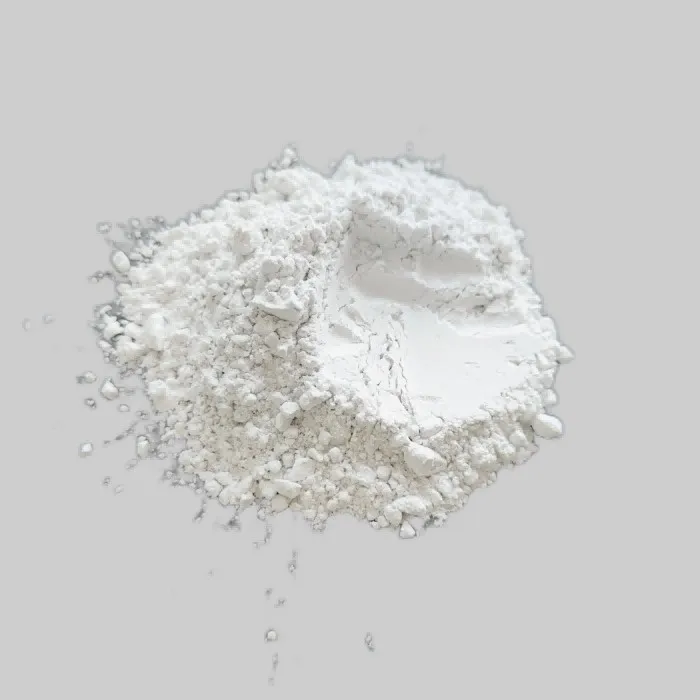
Another advantage of using refractory cement for chimney linings is its resistance to corrosion. Chimney exhaust gases contain a variety of chemicals and acids that can corrode the lining over time. Regular cement is not very resistant to corrosion, so it can start to deteriorate and break down when exposed to these substances. Refractory cement, however, is much more resistant to corrosion. It has a high alumina content, which helps to protect it from the damaging effects of the exhaust gases. This means that the chimney lining will last longer and require less maintenance over time.
In addition to its heat and corrosion resistance, refractory cement is also very durable. It has a high compressive strength, which means that it can withstand the weight and pressure of the chimney structure without cracking or breaking. It's also resistant to abrasion, which is important because the chimney lining is constantly being exposed to the flow of hot gases and debris. The durability of refractory cement helps to ensure that the chimney lining will remain in good condition for many years to come.
Now, let's take a look at some of the different types of refractory cement that are available for chimney linings. One popular option is High Heat Refractory Cement. This type of cement is specifically designed to withstand extremely high temperatures, making it ideal for use in chimneys. It has a high alumina content, which gives it excellent heat resistance and durability. Another option is Castable Refractory Cement 50 Lbs. This type of cement is easy to work with and can be poured or cast into the desired shape. It's also very strong and durable, making it a good choice for chimney linings. Finally, there's 3000f Refractory Cement. As the name suggests, this type of cement can withstand temperatures of up to 3000°F, making it one of the most heat-resistant options available.
When it comes to installing a chimney lining with refractory cement, it's important to follow the manufacturer's instructions carefully. The installation process can be a bit tricky, so it's a good idea to hire a professional if you're not experienced with this type of work. The first step is to prepare the chimney for the installation. This may involve cleaning the chimney, removing any old lining material, and making any necessary repairs. Once the chimney is prepared, the refractory cement can be mixed according to the manufacturer's instructions and applied to the inside of the chimney using a trowel or other appropriate tool. It's important to make sure that the cement is applied evenly and that there are no gaps or voids in the lining. After the cement has been applied, it needs to be allowed to dry and cure for a certain period of time before the chimney can be used again.
In conclusion, refractory cement is an excellent choice for chimney linings. It offers a number of advantages over other types of lining materials, including heat resistance, corrosion resistance, durability, and ease of installation. If you're in the market for a new chimney lining, I highly recommend considering refractory cement. And if you have any questions or need help choosing the right type of refractory cement for your chimney, please don't hesitate to contact me. I'm here to help you find the best solution for your needs. Whether you're a homeowner looking to upgrade your chimney or a contractor working on a large-scale project, I can provide you with the high-quality refractory cement products and expert advice you need. Let's work together to ensure the safety and efficiency of your chimney for years to come.
References:
- Manufacturer's literature on refractory cement products
- Industry standards and guidelines for chimney lining materials