

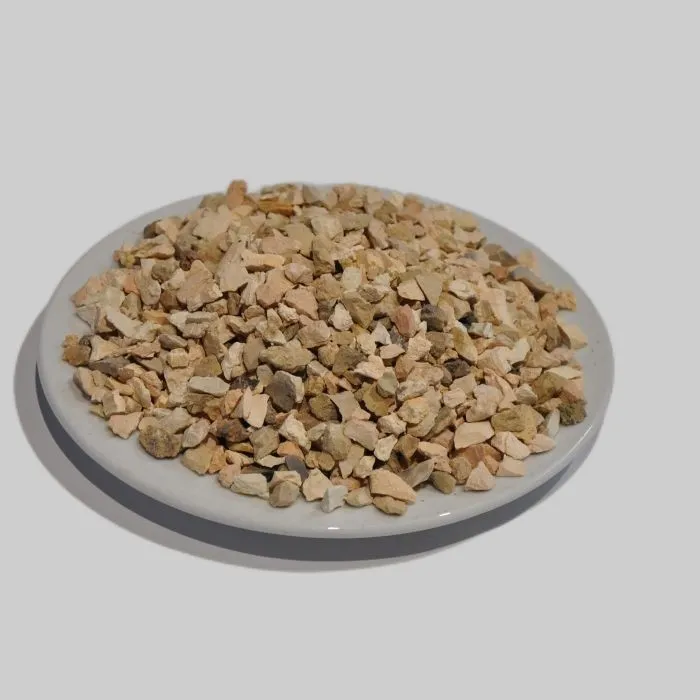
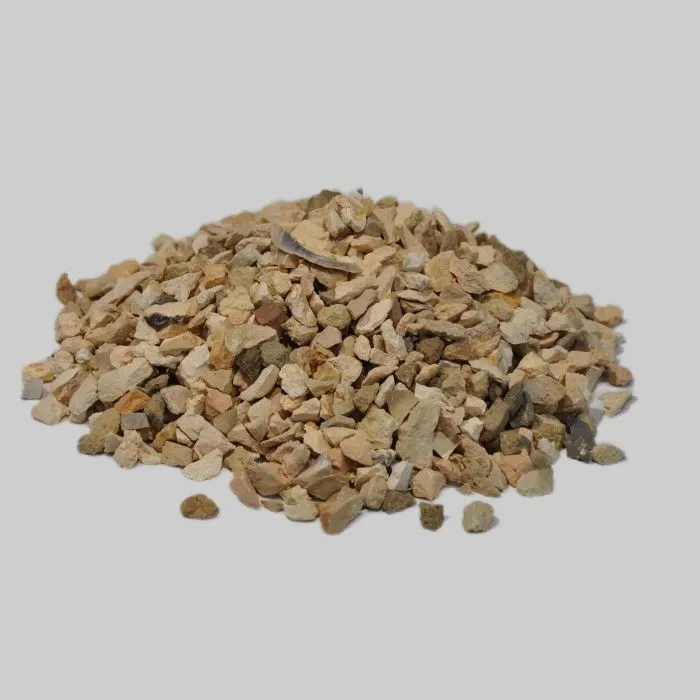
Calcined bauxite is a crucial industrial material with a wide range of applications, from refractories to abrasives. As a supplier of calcined bauxite, I often encounter inquiries about the impurities present in this product. Understanding these impurities is essential for customers to make informed decisions about the suitability of calcined bauxite for their specific applications. In this blog post, I will delve into the various impurities that can be found in calcined bauxite, their sources, and their potential impacts on the material's performance.
Common Impurities in Calcined Bauxite
1. Silica (SiO₂)
Silica is one of the most common impurities in calcined bauxite. It can be present in both free and combined forms. Free silica exists as quartz, while combined silica may be in the form of silicates. The source of silica in bauxite ore can be attributed to the geological formation process. During the deposition of bauxite, silica-rich minerals may be incorporated into the ore body.
In calcined bauxite, the presence of silica can have both positive and negative effects. At lower concentrations, silica can act as a fluxing agent, promoting the formation of a glassy phase during high-temperature applications. This can improve the bonding strength and refractoriness of the material. However, high silica content can lead to the formation of low-melting-point phases, which can reduce the refractoriness and mechanical strength of the calcined bauxite. For applications requiring high refractoriness, such as in the production of high-temperature refractories, low-silica calcined bauxite is preferred.
2. Iron Oxides (Fe₂O₃ and FeO)
Iron oxides are another significant impurity in calcined bauxite. They can be present in various forms, including hematite (Fe₂O₃), magnetite (Fe₃O₄), and goethite (FeO(OH)). The source of iron in bauxite ore is often associated with the weathering and leaching processes of iron-rich rocks in the surrounding environment.
The presence of iron oxides can have a significant impact on the color and properties of calcined bauxite. Iron oxides can impart a red or brown color to the material, which may be undesirable for some applications, such as in the production of white or light-colored refractories. In addition, iron oxides can act as a fluxing agent, reducing the refractoriness of the calcined bauxite. They can also react with other components in the material, leading to the formation of low-melting-point phases and reducing the mechanical strength. However, in some applications, such as in the production of abrasives, a certain amount of iron oxide can be beneficial as it can improve the hardness and cutting ability of the material.
3. Titanium Dioxide (TiO₂)
Titanium dioxide is a common impurity in bauxite ore and can also be found in calcined bauxite. It is typically present in the form of rutile or anatase. The source of titanium in bauxite ore is related to the presence of titanium-bearing minerals in the parent rock.
In calcined bauxite, the presence of titanium dioxide can have both positive and negative effects. At low concentrations, titanium dioxide can act as a stabilizer, improving the thermal stability and refractoriness of the material. It can also enhance the mechanical strength and wear resistance of the calcined bauxite. However, high titanium dioxide content can lead to the formation of titanium-rich phases, which can reduce the refractoriness and increase the brittleness of the material. For applications requiring high refractoriness and toughness, low-titanium calcined bauxite is preferred.
4. Calcium Oxide (CaO) and Magnesium Oxide (MgO)
Calcium oxide and magnesium oxide are minor impurities in calcined bauxite. They can be present in the form of calcite (CaCO₃), dolomite (CaMg(CO₃)₂), or other calcium- and magnesium-bearing minerals. The source of calcium and magnesium in bauxite ore is often associated with the presence of carbonate rocks in the surrounding environment.
In calcined bauxite, the presence of calcium oxide and magnesium oxide can have a significant impact on the refractoriness and chemical stability of the material. They can react with other components in the material, leading to the formation of low-melting-point phases and reducing the refractoriness. In addition, calcium oxide and magnesium oxide can react with acidic gases, such as sulfur dioxide and carbon dioxide, during high-temperature applications, leading to the formation of corrosive compounds and reducing the chemical stability of the material. For applications requiring high refractoriness and chemical stability, low-calcium and low-magnesium calcined bauxite is preferred.
5. Alkalis (Na₂O and K₂O)
Alkalis, such as sodium oxide (Na₂O) and potassium oxide (K₂O), are trace impurities in calcined bauxite. They can be present in the form of feldspar, mica, or other alkali-bearing minerals. The source of alkalis in bauxite ore is often associated with the presence of alkali-rich rocks in the surrounding environment.
In calcined bauxite, the presence of alkalis can have a significant impact on the refractoriness and thermal stability of the material. They can react with other components in the material, leading to the formation of low-melting-point phases and reducing the refractoriness. In addition, alkalis can cause thermal expansion and cracking of the material during high-temperature applications, reducing the thermal stability and mechanical strength. For applications requiring high refractoriness and thermal stability, low-alkali calcined bauxite is preferred.
Impact of Impurities on Calcined Bauxite Applications
The presence of impurities in calcined bauxite can have a significant impact on its performance in various applications. Here are some examples of how impurities can affect the suitability of calcined bauxite for different industries:
1. Refractories Industry
In the refractories industry, calcined bauxite is widely used as a raw material for the production of high-temperature refractories. The refractoriness, mechanical strength, and chemical stability of the refractories are crucial factors in determining their performance. Impurities such as silica, iron oxides, titanium dioxide, calcium oxide, magnesium oxide, and alkalis can all have a negative impact on these properties. Therefore, for the production of high-quality refractories, low-impurity calcined bauxite is required. Rotary Kiln Bauxite and Rotary Kiln Calcined Bauxite are often used in the refractories industry due to their high purity and excellent performance.
2. Abrasives Industry
In the abrasives industry, calcined bauxite is used as a raw material for the production of grinding wheels, sandpaper, and other abrasive products. The hardness, cutting ability, and wear resistance of the abrasives are important factors in determining their performance. Impurities such as iron oxides can improve the hardness and cutting ability of the abrasives, while impurities such as silica and alkalis can reduce the wear resistance. Therefore, for the production of high-quality abrasives, calcined bauxite with a certain amount of iron oxide and low levels of silica and alkalis is preferred.
3. Ceramics Industry
In the ceramics industry, calcined bauxite is used as a raw material for the production of ceramic tiles, sanitary ware, and other ceramic products. The color, whiteness, and mechanical strength of the ceramics are important factors in determining their quality. Impurities such as iron oxides can impart a red or brown color to the ceramics, while impurities such as silica and alkalis can reduce the mechanical strength. Therefore, for the production of high-quality ceramics, low-impurity calcined bauxite is required. High Purity Calcined Bauxite is often used in the ceramics industry due to its high purity and excellent whiteness.
Controlling Impurities in Calcined Bauxite
As a calcined bauxite supplier, we understand the importance of controlling impurities in our products. We have implemented a strict quality control system to ensure that our calcined bauxite meets the highest standards of purity and performance. Here are some of the measures we take to control impurities in our calcined bauxite:
1. Ore Selection
We carefully select high-quality bauxite ore with low impurity content. We conduct extensive geological surveys and ore testing to identify the best ore sources. By using high-quality ore, we can reduce the initial impurity content in the calcined bauxite.
2. Beneficiation
We use advanced beneficiation techniques to remove impurities from the bauxite ore. These techniques include crushing, grinding, screening, magnetic separation, and flotation. By removing impurities such as silica, iron oxides, and titanium dioxide, we can improve the purity of the bauxite ore and reduce the impurity content in the calcined bauxite.
3. Calcination Process
We use state-of-the-art calcination equipment and processes to ensure that the bauxite ore is calcined at the optimal temperature and time. This helps to remove any remaining impurities and improve the quality of the calcined bauxite. We also monitor the calcination process closely to ensure that the temperature and time are consistent, which helps to maintain the quality and purity of the product.
4. Quality Control
We have a dedicated quality control team that conducts regular inspections and tests on our calcined bauxite products. We use advanced analytical equipment, such as X-ray fluorescence (XRF) and scanning electron microscopy (SEM), to analyze the chemical composition and microstructure of the products. By conducting these tests, we can ensure that our calcined bauxite meets the required specifications and standards.
Conclusion
In conclusion, impurities in calcined bauxite can have a significant impact on its performance in various applications. As a calcined bauxite supplier, we are committed to providing our customers with high-quality products with low impurity content. By carefully selecting high-quality ore, using advanced beneficiation techniques, optimizing the calcination process, and implementing strict quality control measures, we can ensure that our calcined bauxite meets the highest standards of purity and performance.
If you are interested in purchasing calcined bauxite for your specific application, please feel free to contact us. We would be happy to discuss your requirements and provide you with a customized solution. Our team of experts is available to answer any questions you may have and help you choose the right calcined bauxite product for your needs.
References
- Gupta, C. K., & Krishnamurthy, N. (2005). Extractive Metallurgy of Nickel, Cobalt and Platinum Group Metals. CRC Press.
- Roy, R., & Osborn, E. F. (1954). Phase Equilibria Among Oxides in Ceramics. John Wiley & Sons.
- Wills, B. A., & Napier-Munn, T. (2006). Wills' Mineral Processing Technology: An Introduction to the Practical Aspects of Ore Treatment and Mineral Recovery. Butterworth-Heinemann.