

Hey there! As a supplier of refractory nozzles, I've been in the thick of understanding how the chemical composition of these nozzles impacts their performance. It's a topic that's super crucial in our industry, and I'm stoked to share some insights with you.
First off, let's talk about what refractory nozzles are. They're these bad - ass components used in the steel - making and other high - temperature industries. They have to withstand some seriously harsh conditions, like extremely high temperatures, chemical attacks, and mechanical stress. And that's where the chemical composition comes in.
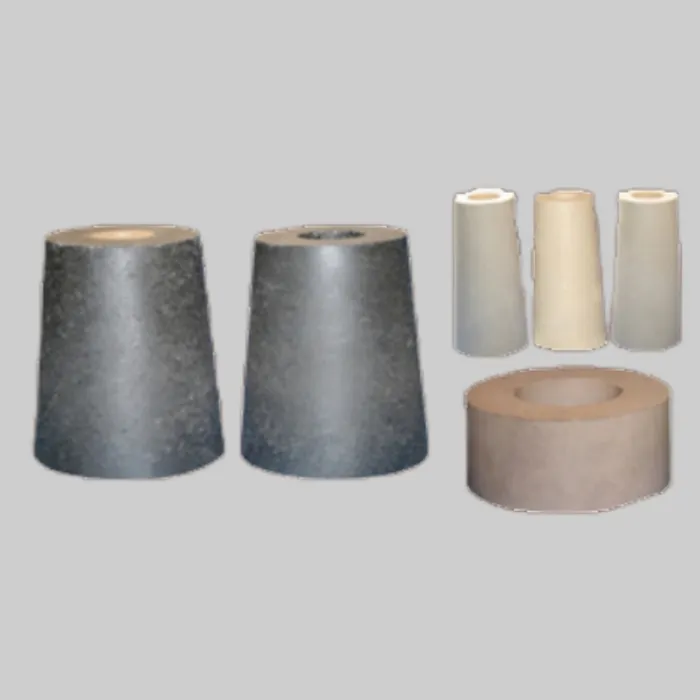
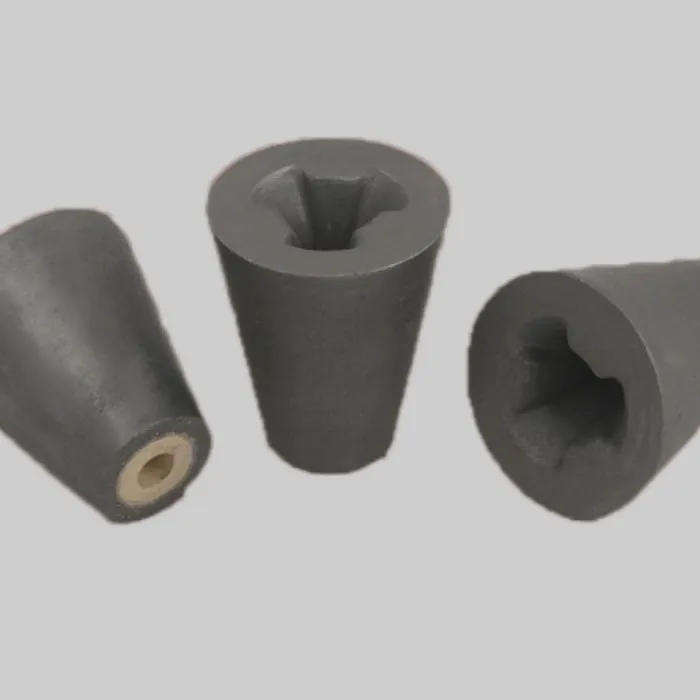
One of the most common materials in refractory nozzles is alumina (Al₂O₃). Alumina is a real workhorse. It has high melting point, which means it can handle the super - hot molten metals flowing through the nozzles. When there's a high percentage of alumina in the nozzle, it gives the nozzle excellent thermal stability. This is important because if the nozzle starts to deform or melt under the heat, it can mess up the whole steel - making process. For instance, in continuous casting, a well - made alumina - rich refractory nozzle ensures a smooth and consistent flow of molten steel from the tundish to the mold. You can check out our Tundish Nozzle which often has a significant alumina content to provide this kind of reliability.
Silica (SiO₂) is another key player. It can act as a fluxing agent in some cases. When mixed with other materials in the right proportions, it can lower the melting point of the overall composition slightly, which can be useful for shaping the nozzle during the manufacturing process. However, too much silica can be a problem. In high - temperature environments, silica can react with other elements in the molten metal, leading to the formation of low - melting - point compounds. These compounds can cause the nozzle to erode faster, reducing its lifespan. So, it's all about finding that sweet spot with silica content.
Zirconia (ZrO₂) is a game - changer. Our Zirconia Nozzle is a prime example of a product that benefits from this material. Zirconia has exceptional thermal shock resistance. In the steel - making process, the nozzle is constantly exposed to rapid temperature changes. When molten steel first flows through, the temperature can spike in an instant, and then there are periods of relative cool - down. Zirconia can handle these temperature swings without cracking or breaking. It also has high chemical stability, which means it resists corrosion from the molten metal and slag. This makes zirconia - based nozzles ideal for applications where long - term durability is a must.
Carbon is also used in some refractory nozzles. It can improve the thermal conductivity of the nozzle. In some cases, better thermal conductivity can help in controlling the temperature of the molten metal as it flows through the nozzle. Carbon also has good lubricity, which can reduce the friction between the molten metal and the nozzle wall, allowing for a more efficient flow. But carbon has its drawbacks too. It can oxidize at high temperatures, which can lead to the weakening of the nozzle structure over time. To combat this, manufacturers often use special coatings or mix carbon with other materials to protect it from oxidation.
Now, let's talk about the Zirconium Sizing Nozzle. The zirconium in these nozzles is used to precisely control the flow rate of the molten metal. The chemical composition is carefully engineered to ensure that the nozzle maintains its shape and size under high - temperature conditions. A well - made zirconium sizing nozzle can provide accurate and consistent flow, which is crucial for producing high - quality steel products.
The performance of a refractory nozzle is also affected by impurities in the chemical composition. Even small amounts of certain elements can have a big impact. For example, alkali metals like sodium and potassium can react with other components in the nozzle at high temperatures, causing the formation of glassy phases. These glassy phases can be soft and prone to erosion, which can shorten the nozzle's lifespan. So, during the manufacturing process, we take great care to control the impurity levels.
Another aspect is the interaction between different chemical components. Sometimes, the combination of two or more materials can create synergistic effects. For example, a mixture of alumina and zirconia can have better overall performance than either material on its own. The alumina provides the basic structural strength, while the zirconia enhances the thermal shock resistance and chemical stability.
In terms of the manufacturing process, the chemical composition determines how the nozzle is made. Different materials require different processing techniques. For example, materials with high melting points like alumina and zirconia often need to be sintered at extremely high temperatures to form a dense and strong structure. On the other hand, materials that act as binders or fluxes need to be added at the right stage of the process to ensure proper mixing and bonding.
The performance of refractory nozzles also has a direct impact on the quality of the end - product. In the steel industry, a good - performing nozzle ensures that the molten steel is delivered to the mold in the right quantity and at the right temperature. This leads to better - formed steel products with fewer defects. In industries like non - ferrous metals production, the same principles apply. A high - quality refractory nozzle can improve the efficiency of the production process and reduce waste.
If you're in the market for refractory nozzles, understanding the chemical composition and its influence on performance is crucial. You want to choose a nozzle that can handle the specific conditions of your production process. Whether it's high temperatures, chemical attacks, or rapid temperature changes, there's a chemical composition out there that's right for you.
At our company, we've spent years perfecting the chemical compositions of our refractory nozzles. We use state - of - the - art testing equipment to ensure that each nozzle meets the highest standards of performance. If you're interested in learning more about our products or have specific requirements for your production process, don't hesitate to reach out. We're always happy to have a chat and help you find the best refractory nozzle solution for your needs. Let's have a discussion and see how we can work together to improve your production efficiency and product quality.
References
- "Refractories Handbook" by A. B. C. Publishing
- "Advances in Refractory Materials for High - Temperature Applications" in Journal of Materials Science and Technology
- Industry reports on refractory nozzle technology from leading research institutions