

As a seasoned raw material supplier, I've had the privilege of working with a diverse range of industries, each with its unique requirements for raw materials. In this blog post, I'll delve into the main types of raw materials that play a crucial role in various manufacturing processes. Understanding these raw materials is essential for businesses to make informed decisions about sourcing and production.
1. Metals
Metals are one of the most widely used types of raw materials in the world. They are known for their strength, durability, and conductivity, making them suitable for a wide range of applications. Some of the most common metals used as raw materials include:
Iron and Steel
Iron is the most abundant metal on Earth and is a key component in the production of steel. Steel is an alloy of iron and carbon, along with other elements such as manganese, chromium, and nickel. It is used in construction, automotive manufacturing, machinery, and many other industries. The strength and versatility of steel make it an essential raw material for modern infrastructure.
Aluminum
Aluminum is a lightweight, corrosion-resistant metal that is widely used in the aerospace, automotive, and packaging industries. It is also used in the construction of buildings and bridges due to its high strength-to-weight ratio. Aluminum is produced from bauxite ore, which is refined to obtain alumina and then smelted to produce aluminum metal.
Copper
Copper is a highly conductive metal that is used in electrical wiring, plumbing, and electronics. It is also used in the production of coins, jewelry, and decorative items. Copper is obtained from copper ore, which is mined and then processed to extract the metal.
Precious Metals
Precious metals such as gold, silver, and platinum are highly valued for their beauty, rarity, and durability. They are used in jewelry, investment, and electronics. Gold is also used in the medical industry for dental fillings and other applications. These metals are typically mined from the earth and then refined to obtain pure metal.
2. Minerals
Minerals are naturally occurring inorganic substances that are used in a variety of industries. They are often used as raw materials for the production of ceramics, glass, and other materials. Some of the most common minerals used as raw materials include:
Quartz
Quartz is a hard, crystalline mineral that is composed of silicon and oxygen. It is one of the most abundant minerals on Earth and is used in the production of glass, ceramics, and electronics. Quartz is also used in the manufacturing of jewelry and decorative items.
Feldspar
Feldspar is a group of minerals that are composed of aluminum, silicon, and oxygen. It is used in the production of ceramics, glass, and enamel. Feldspar is also used as a filler in paints, plastics, and rubber.
Kaolin
Kaolin, also known as china clay, is a soft, white clay mineral that is used in the production of ceramics, paper, and paint. It is also used in the pharmaceutical industry as an absorbent and in the food industry as a thickener.
Bubble Alumina
Bubble alumina is a lightweight, high-strength ceramic material that is used in a variety of applications, including refractories, insulation, and catalyst supports. It is produced by heating alumina powder to a high temperature and then blowing air through it to create bubbles.
3. Polymers
Polymers are large molecules that are made up of repeating units called monomers. They are used in a wide range of applications, including packaging, textiles, and automotive parts. Some of the most common polymers used as raw materials include:
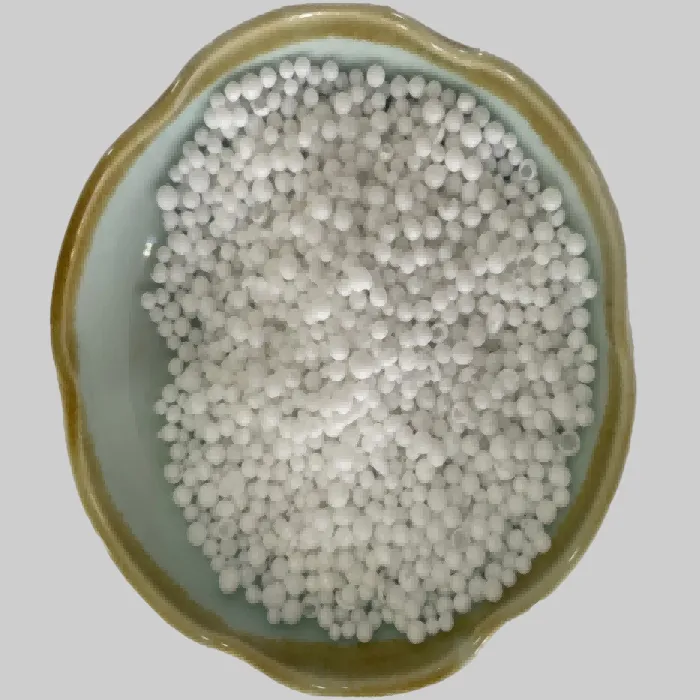
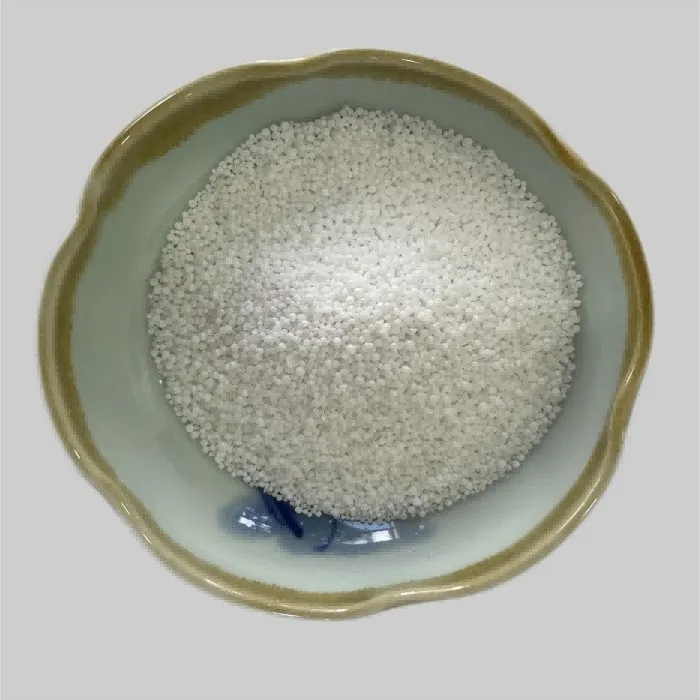
Polyethylene
Polyethylene is a thermoplastic polymer that is used in the production of plastic bags, bottles, and other packaging materials. It is also used in the manufacturing of pipes, insulation, and toys. Polyethylene is produced by polymerizing ethylene monomers.
Polypropylene
Polypropylene is a thermoplastic polymer that is used in the production of automotive parts, textiles, and packaging materials. It is also used in the manufacturing of medical devices and household items. Polypropylene is produced by polymerizing propylene monomers.
Polyvinyl Chloride (PVC)
PVC is a thermoplastic polymer that is used in the production of pipes, windows, and flooring. It is also used in the manufacturing of electrical cables and medical devices. PVC is produced by polymerizing vinyl chloride monomers.
Polystyrene
Polystyrene is a thermoplastic polymer that is used in the production of packaging materials, insulation, and disposable food containers. It is also used in the manufacturing of toys and electronics. Polystyrene is produced by polymerizing styrene monomers.
4. Natural Fibers
Natural fibers are fibers that are obtained from plants, animals, or minerals. They are used in the production of textiles, paper, and other materials. Some of the most common natural fibers used as raw materials include:
Cotton
Cotton is a soft, fluffy fiber that is obtained from the cotton plant. It is one of the most widely used natural fibers in the world and is used in the production of clothing, bedding, and other textiles. Cotton is also used in the manufacturing of paper and medical products.
Wool
Wool is a fiber that is obtained from the fleece of sheep and other animals. It is used in the production of clothing, carpets, and other textiles. Wool is known for its warmth, softness, and durability.
Silk
Silk is a fiber that is obtained from the cocoons of silkworms. It is used in the production of clothing, bedding, and other textiles. Silk is known for its smoothness, shine, and luxury.
Jute
Jute is a long, soft, shiny fiber that is obtained from the jute plant. It is used in the production of sacks, carpets, and other textiles. Jute is also used in the manufacturing of paper and packaging materials.
5. Synthetic Cordierite
Synthetic cordierite is a ceramic material that is used in a variety of applications, including automotive catalysts, kiln furniture, and electronic substrates. It is produced by synthesizing cordierite from raw materials such as alumina, silica, and magnesia. Synthetic cordierite has excellent thermal shock resistance, low thermal expansion, and high mechanical strength, making it suitable for use in high-temperature applications.
Conclusion
In conclusion, the main types of raw materials include metals, minerals, polymers, natural fibers, and synthetic materials such as Bubble Alumina and Synthetic Cordierite. Each type of raw material has its unique properties and applications, and understanding these properties is essential for businesses to make informed decisions about sourcing and production. As a raw material supplier, I am committed to providing high-quality raw materials to meet the diverse needs of my customers. If you are interested in learning more about our products or would like to discuss your raw material requirements, please feel free to contact us for a consultation.
References
- Ashby, M. F., & Jones, D. R. H. (2012). Engineering Materials 1: An Introduction to Properties, Applications, and Design. Butterworth-Heinemann.
- Callister, W. D., & Rethwisch, D. G. (2014). Materials Science and Engineering: An Introduction. Wiley.
- Strong, A. B. (2008). Plastics: Materials and Processing. Pearson Prentice Hall.