

What is the mixing ratio of refractory mortar?
As a supplier of refractory mortar, I often get asked about the mixing ratio of refractory mortar. It's a crucial topic because the right mixing ratio can significantly impact the performance and durability of the refractory materials in various high - temperature applications.
Refractory mortar is a specialized type of mortar designed to withstand high temperatures, typically used in applications such as fireplaces, kilns, furnaces, and industrial heating systems. Different types of refractory mortars have different mixing ratios, which are determined by their composition and the specific requirements of the application.
Types of Refractory Mortar and Their Mixing Ratios
1. Refractory Fire Clay Mortar
Refractory fire clay mortar is one of the most commonly used types of refractory mortar. It is made from fire clay, which has excellent heat - resistant properties. The basic mixing ratio for refractory fire clay mortar usually involves a combination of fire clay powder, water, and sometimes additives.
Typically, for a standard refractory fire clay mortar, the ratio of fire clay powder to water is around 3:1 to 4:1 by volume. That means for every 3 to 4 parts of fire clay powder, you add 1 part of water. However, this can vary depending on the fineness of the fire clay powder and the desired consistency of the mortar.
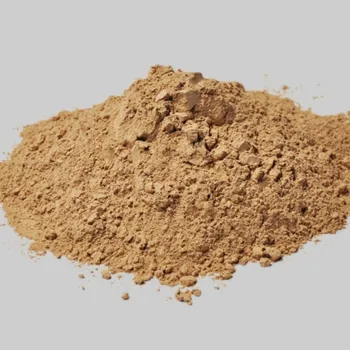
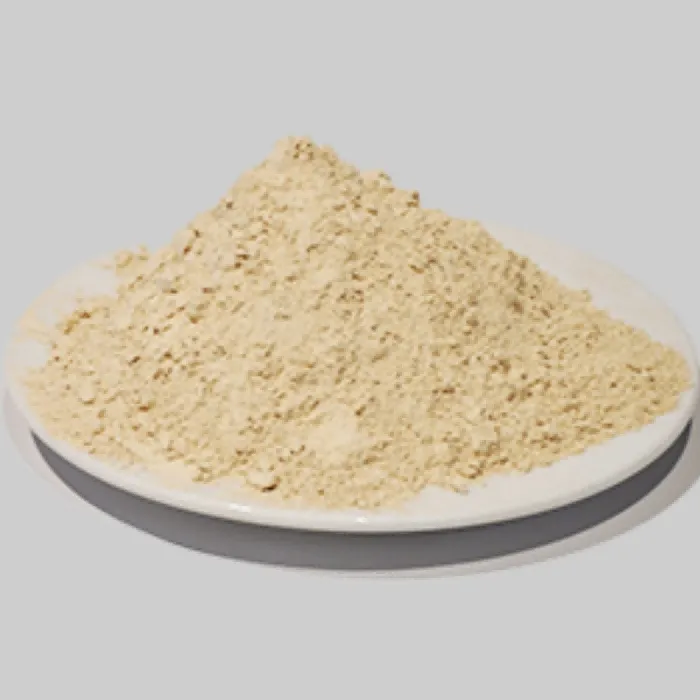
If the fire clay powder is very fine, you may need a bit more water to achieve the right workability. On the other hand, if the powder is coarser, less water might be sufficient. Some applications may also require the addition of small amounts of additives such as silica fume or alumina powder to enhance the strength and heat - resistance of the mortar. For more information about refractory fire clay mortar, you can visit Refractory Fire Clay Mortar.
2. Fire Resistant Brick Mortar
Fire resistant brick mortar is used specifically for laying fire bricks in high - temperature environments. The mixing ratio of fire resistant brick mortar is often more precise as it needs to ensure a strong bond between the bricks and withstand the thermal stress.
A common mixing ratio for fire resistant brick mortar is a combination of refractory aggregates, cementitious binders, and water. The ratio of refractory aggregates to cementitious binders can range from 2:1 to 3:1 by weight. For example, if you have 200 grams of refractory aggregates, you would use 100 grams of cementitious binder.
Water is then added gradually to achieve a workable paste. The amount of water can vary, but generally, it is around 10 - 15% of the total dry weight of the aggregates and binders. This type of mortar may also contain additives like plasticizers to improve its workability and adhesion. To learn more about fire resistant brick mortar, check out Fire Resistant Brick Mortar.
3. Fireplace Refractory Mortar
Fireplace refractory mortar is designed for use in fireplaces, where it needs to resist the intense heat and rapid temperature changes. The mixing ratio for fireplace refractory mortar is carefully formulated to meet these specific requirements.
A typical mixing ratio for fireplace refractory mortar involves a blend of refractory materials such as kaolin clay, vermiculite, and perlite, along with a binder. The ratio of the refractory materials to the binder can be around 4:1 by volume. Water is added to make the mixture into a thick paste.
The consistency of the mortar is important for proper application in a fireplace. It should be thick enough to adhere to the surfaces but still workable for troweling. Some fireplace refractory mortars may also include additives to improve their resistance to cracking and spalling. For detailed information about fireplace refractory mortar, refer to Fireplace Refractory Mortar.
Factors Affecting the Mixing Ratio
1. Temperature Requirements
The maximum temperature that the refractory mortar will be exposed to is a major factor in determining the mixing ratio. Higher - temperature applications require mortars with a higher proportion of heat - resistant materials. For example, in a furnace that operates at extremely high temperatures, the mortar may need a higher percentage of alumina or zirconia to maintain its integrity.
2. Application Method
The way the refractory mortar is applied also affects the mixing ratio. If the mortar is being sprayed, it may need to have a thinner consistency, which means more water or the addition of special spraying agents. On the other hand, if it is being troweled, a thicker consistency may be preferred for better control during application.
3. Environmental Conditions
The humidity and temperature of the environment where the mortar is being mixed and applied can impact the mixing ratio. In a dry and hot environment, more water may be needed to prevent the mortar from drying out too quickly. Conversely, in a humid environment, less water may be required.
Importance of Correct Mixing Ratio
Using the correct mixing ratio is of utmost importance for several reasons. Firstly, it ensures the proper workability of the mortar. If the ratio is incorrect, the mortar may be too dry and difficult to spread, or too wet and runny, which can lead to poor adhesion and a weak bond between the refractory materials.
Secondly, the correct mixing ratio is essential for the heat - resistance of the mortar. An improper ratio can result in the mortar losing its strength and integrity at high temperatures, leading to cracking, spalling, and ultimately, failure of the refractory lining.
Finally, a well - mixed refractory mortar with the right ratio will have a longer service life, reducing the need for frequent repairs and replacements, which can save both time and money in the long run.
How We Ensure Quality Mixing Ratios
As a refractory mortar supplier, we take great care in ensuring that our products have the correct mixing ratios. Our team of experts conducts extensive research and testing to develop the optimal formulations for different types of refractory mortars.
We source high - quality raw materials and use advanced manufacturing processes to ensure consistency in the composition of our products. Before each batch of mortar is shipped, it undergoes strict quality control checks to verify that the mixing ratio meets the specified standards.
We also provide detailed instructions on the mixing ratio and application methods for each of our products. Our technical support team is always available to answer any questions that our customers may have regarding the mixing and use of our refractory mortars.
Contact Us for Refractory Mortar Procurement
If you are in need of high - quality refractory mortar for your project, we are here to help. Our wide range of refractory mortars, including refractory fire clay mortar, fire resistant brick mortar, and fireplace refractory mortar, are designed to meet the diverse needs of different applications.
Whether you are building a small fireplace or a large industrial furnace, we can provide you with the right product and the necessary technical support. We understand the importance of using the correct mixing ratio and are committed to helping you achieve the best results with our refractory mortars.
If you have any questions or would like to discuss your procurement requirements, please feel free to reach out to us. We look forward to working with you and providing you with the best refractory mortar solutions for your needs.
References
- ASTM International. Standard Specifications for Refractory Mortars.
- American Ceramic Society. Handbook of Refractory Technology.
- Various industry research papers on refractory materials and their applications.