

What are the raw materials for making artificial flowers?
Artificial flowers have come a long way from their humble beginnings. Once simple imitations, they are now crafted with such precision and detail that they can be almost indistinguishable from real flowers. As a raw material supplier, I've witnessed firsthand the fascinating evolution of these materials and their role in the creation of beautiful artificial blooms. In this blog, we're going to explore the diverse range of raw materials that go into making these stunning floral replicas.
Fabric
Fabric is one of the most common raw materials used in artificial flower making. Different types of fabrics are chosen based on the type of flower they're meant to imitate. Silk, for example, is a popular choice due to its smooth texture and natural sheen. It can be dyed easily to achieve a wide range of colors, making it perfect for creating lifelike petals. Silk flowers often have a soft, delicate appearance, similar to real flowers.
Cotton is another fabric option. It is more affordable and has a more matte finish compared to silk. Cotton can be used to create rustic - looking artificial flowers or those with a more textured appearance. Polyester fabrics are also widely used. They are durable, resistant to fading, and can be made to mimic the look of various natural materials. Polyester can be manipulated to create different shapes and textures, making it a versatile choice for artificial flower production.
Plastic
Plastic is a staple in the artificial flower industry. There are several types of plastics used, each with its own unique properties. Polyethylene terephthalate (PET) is commonly used for making artificial flower petals. It is strong, lightweight, and can be molded into various shapes. PET plastic can be made to have a glossy or matte finish, depending on the desired look of the flower.
Polyvinyl chloride (PVC) is another popular plastic for artificial flower making. PVC is flexible and can be easily colored. It can be used to create not only petals but also leaves and stems. The flexibility of PVC allows for more realistic movement in the artificial flowers, mimicking the way real flowers sway in the breeze.
Foam
Foam materials are used to create the base or structure of artificial flowers. Polyurethane foam is a common choice. It is lightweight, easy to cut and shape, and can be covered with other materials like fabric or plastic to give the flower its final appearance. Foam can be used to create the center of a flower, such as the pistil and stamens, or to add volume to the petals.
Another type of foam is expanded polystyrene (EPS). EPS is often used for making larger artificial flowers or for creating floral arrangements where a lightweight base is needed. It is also used in the production of artificial flower heads, as it can be easily carved and shaped into different forms.
Wire
Wire is an essential raw material for creating the stems of artificial flowers. Galvanized steel wire is commonly used because it is strong and rust - resistant. The wire provides the structure and support for the flower, allowing it to stand upright and be arranged in different ways.
Aluminum wire is another option. It is lighter than steel wire and more flexible, making it easier to bend and shape. This makes it suitable for creating more delicate or intricate flower arrangements, where a more natural - looking curve in the stem is desired.
Dyes and Pigments
To give artificial flowers their vibrant colors, dyes and pigments are used. These can be applied to the fabric, plastic, or foam materials. Synthetic dyes are often used because they offer a wide range of colors and are more color - fast compared to natural dyes. They can be easily mixed to create custom colors, allowing for the replication of the exact hues found in real flowers.
Pigments are also used, especially in the production of plastic flowers. They are added during the manufacturing process to give the plastic a consistent color. Pigments can provide a more opaque color compared to dyes, which is useful for creating bold and bright artificial flowers.
Natural Materials
In some cases, natural materials are also incorporated into artificial flowers to add a more authentic touch. For example, dried moss can be used to create a natural - looking base for a floral arrangement. The moss can be attached to the foam or wire structure to give the appearance of a real flower growing in the ground.
Bark chips can also be used to add a rustic element to artificial flower arrangements. They can be placed around the base of the flowers to mimic the look of a natural soil bed. And some artificial flowers may use real flower parts, such as dried petals, to enhance their appearance.
Specialized Raw Materials
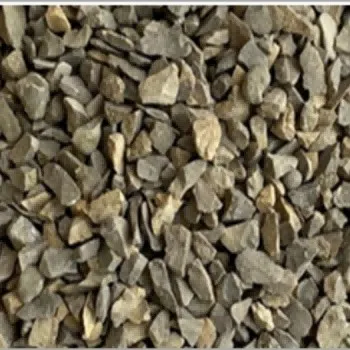
There are also some specialized raw materials that are used in more high - end or unique artificial flower production. Synthetic Cordierite is one such material. It can be used in the creation of artificial flower components that require high heat resistance or specific physical properties. Synthetic cordierite can be shaped and colored to resemble natural stones or other unique elements, adding an extra level of sophistication to the artificial flowers.
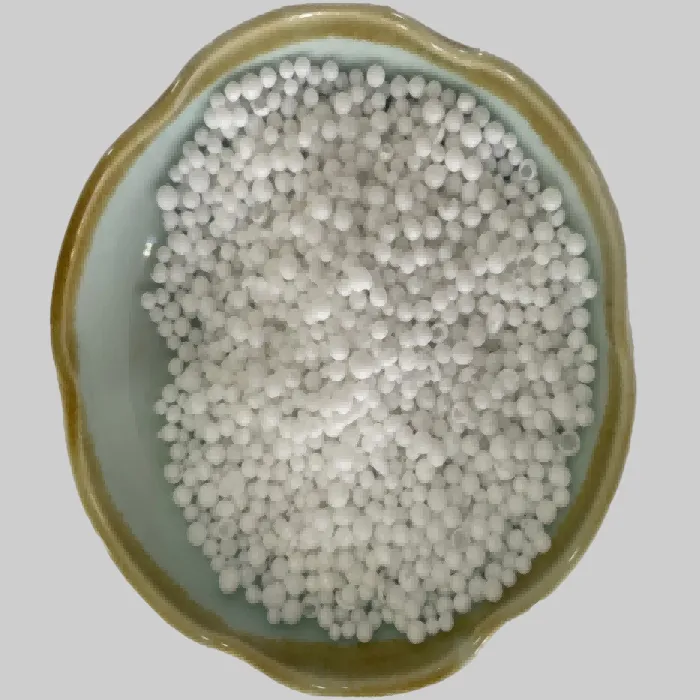
Bubble Alumina is another specialized material. It has a lightweight and porous structure, which can be used to create interesting textures in artificial flower petals or other parts. Bubble alumina can also be treated to have different colors, making it a versatile addition to the range of raw materials for artificial flower making.
As a raw material supplier, I understand the importance of providing high - quality materials to ensure the best - looking and most durable artificial flowers. Whether you're a small - scale crafter or a large - scale artificial flower manufacturer, having access to the right raw materials is crucial.
If you're in the market for artificial flower raw materials, I encourage you to reach out to discuss your specific needs. We offer a wide range of options, from the most common fabrics and plastics to the more specialized materials. Our team is dedicated to helping you find the perfect raw materials for your projects. Contact us to start a procurement discussion and take your artificial flower creations to the next level.
References
- "Artificial Flower Making Techniques" - A comprehensive guidebook on the art of creating artificial flowers.
- Industry reports on the artificial flower market, which often include information on raw materials.
- Technical documentation from material manufacturers regarding the properties and uses of different raw materials.