
As a supplier of sub entry nozzles, ensuring the long - term reliability of these critical components is of utmost importance. Sub entry nozzles play a vital role in the continuous casting process, facilitating the controlled flow of molten metal from the tundish to the mold. Any failure or degradation in the performance of a sub entry nozzle can lead to significant production disruptions, quality issues, and increased costs. In this blog, I will share some key strategies and best practices that we, as a supplier, implement to guarantee the long - term reliability of our sub entry nozzles.
Material Selection
The choice of materials is the foundation for the reliability of sub entry nozzles. We carefully select high - quality refractory materials that can withstand the harsh conditions of the continuous casting process. Refractory materials need to have excellent thermal shock resistance, high temperature strength, and chemical stability. For example, zirconia - graphite composites are often used due to their good thermal conductivity and resistance to corrosion from molten steel. Zirconia provides high temperature strength, while graphite helps in improving the thermal shock resistance.
Another important aspect is the purity of the materials. Impurities in the refractory materials can act as weak points, leading to premature failure. We source our raw materials from trusted suppliers and conduct strict quality control checks to ensure that the materials meet our high - standards. By using high - purity materials, we can enhance the overall durability and performance of the sub entry nozzles.
Manufacturing Process
A well - controlled manufacturing process is essential for producing reliable sub entry nozzles. We follow a series of precise steps to ensure the consistency and quality of each nozzle. First, the raw materials are carefully mixed in the correct proportions. This mixing process is crucial as it determines the homogeneity of the final product. Any uneven distribution of materials can lead to variations in properties and potential weak spots.
After mixing, the material is formed into the desired shape of the sub entry nozzle. We use advanced forming techniques such as isostatic pressing, which applies uniform pressure from all directions to create a dense and well - structured product. This method helps to eliminate internal voids and improve the mechanical strength of the nozzle.
Next, the formed nozzle undergoes a firing process at high temperatures. This firing step is critical for developing the desired physical and chemical properties of the refractory material. The firing temperature and time are carefully controlled based on the specific material composition. A proper firing process can enhance the density, strength, and thermal stability of the sub entry nozzle.
Design Optimization
The design of the sub entry nozzle also has a significant impact on its long - term reliability. We continuously invest in research and development to optimize the design of our nozzles. One important aspect of the design is the internal flow path. A well - designed flow path can ensure a smooth and uniform flow of molten metal, reducing the risk of turbulence and erosion.
We also pay attention to the shape and dimensions of the nozzle. For example, the thickness of the nozzle wall should be carefully determined to provide sufficient strength while also allowing for efficient heat transfer. Additionally, features such as anti - clogging designs can be incorporated to prevent the build - up of inclusions in the nozzle, which can disrupt the flow of molten metal and cause premature failure.
Quality Control
Quality control is an ongoing process throughout the production of sub entry nozzles. We have a comprehensive quality control system in place to monitor every stage of the manufacturing process. From raw material inspection to final product testing, we use a variety of non - destructive and destructive testing methods.
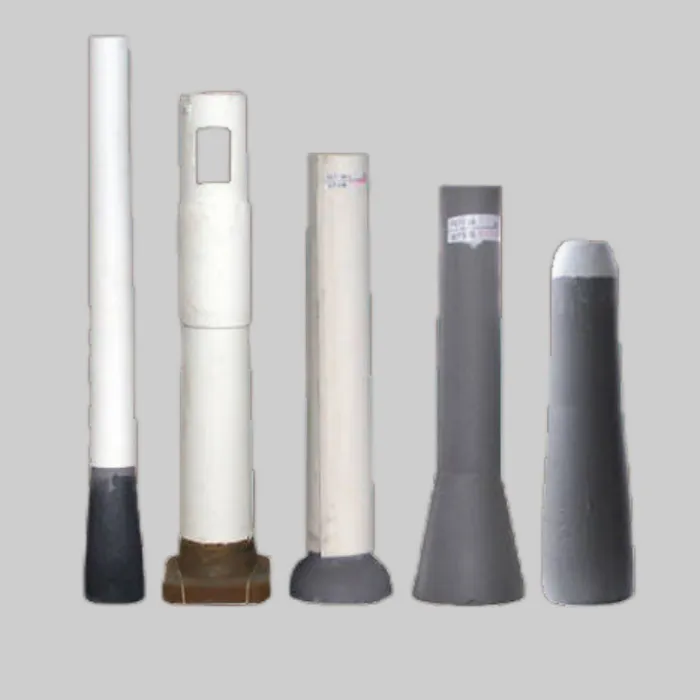
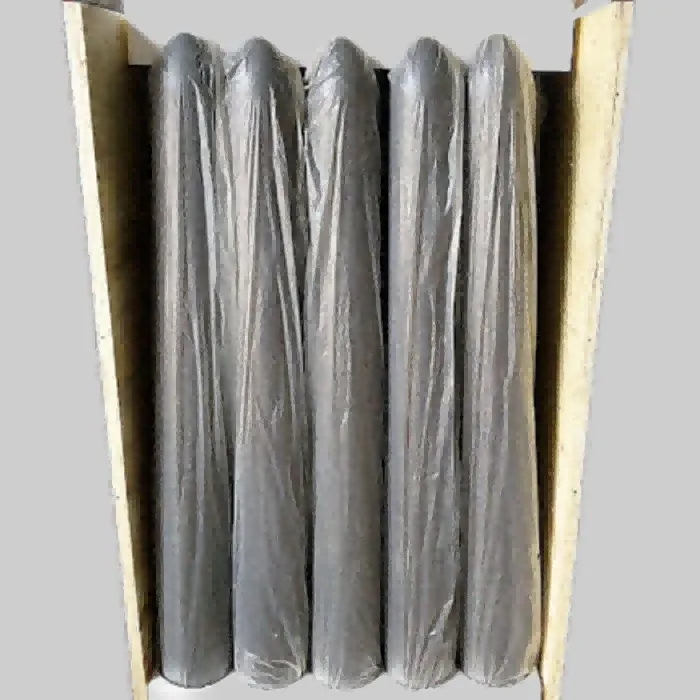
Non - destructive testing methods, such as ultrasonic testing and X - ray inspection, are used to detect internal defects such as cracks or voids in the nozzles. Destructive testing, on the other hand, involves cutting samples from the nozzles to analyze their physical and chemical properties. By conducting regular quality control checks, we can identify and address any potential issues before the nozzles are shipped to our customers.
Installation and Maintenance
Proper installation and maintenance are also crucial for the long - term reliability of sub entry nozzles. We provide our customers with detailed installation instructions to ensure that the nozzles are installed correctly. Incorrect installation can lead to misalignment, which can cause uneven flow of molten metal and increase the risk of erosion and damage.
In terms of maintenance, we offer guidance on how to clean and inspect the nozzles regularly. Regular cleaning can remove any build - up of inclusions or slag, which can affect the performance of the nozzle. Inspections can help to detect early signs of wear or damage, allowing for timely replacement or repair.
Compatibility with Other Components
Sub entry nozzles do not operate in isolation. They are part of a larger continuous casting system that includes components such as Monolithic Stopper and Ladle Shroud. Ensuring the compatibility of the sub entry nozzle with these other components is essential for the overall reliability of the system.
We work closely with our customers to understand their specific requirements and the configuration of their continuous casting systems. By considering the interactions between the sub entry nozzle and other components, we can provide customized solutions that optimize the performance of the entire system. For example, we ensure that the dimensions and connection methods of the sub entry nozzle are compatible with the ladle shroud and monolithic stopper to prevent any leakage or misalignment.
Monitoring and Feedback
To further improve the long - term reliability of our sub entry nozzles, we encourage our customers to provide feedback on the performance of the nozzles. We also offer monitoring solutions to track the condition of the nozzles during operation. For example, we can install sensors to measure parameters such as temperature, pressure, and flow rate. By analyzing this data, we can gain insights into the performance of the nozzles and identify any potential issues in real - time.
Based on the feedback and monitoring data, we can make continuous improvements to our products. We can adjust the material composition, manufacturing process, or design to address any identified problems. This iterative approach helps us to stay ahead of the curve and ensure that our sub entry nozzles meet the ever - evolving needs of our customers.
Conclusion
Ensuring the long - term reliability of sub entry nozzles requires a comprehensive approach that encompasses material selection, manufacturing process, design optimization, quality control, installation and maintenance, compatibility with other components, and continuous monitoring and improvement. As a supplier, we are committed to providing our customers with high - quality, reliable sub entry nozzles. If you are in need of sub entry nozzles or would like to discuss your specific requirements, please feel free to reach out to us. We are ready to work with you to find the best solutions for your continuous casting needs. You can learn more about our Sub Entry Nozzle on our website.
References
- "Refractories for the Steel Industry" by John Doe, published by Steel Publishing House, 20XX.
- "Continuous Casting Technology" by Jane Smith, published by Casting Technology Press, 20XX.