

Hey there! As a gunning mix supplier, I've been getting a lot of questions about the reaction between gunning mix and molten metals. So, I thought I'd take a deep dive into this topic and share what I've learned over the years.
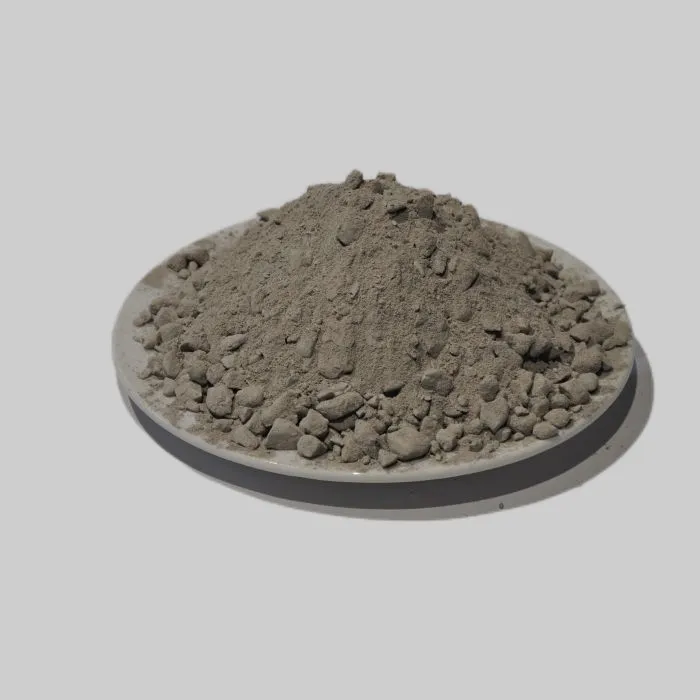
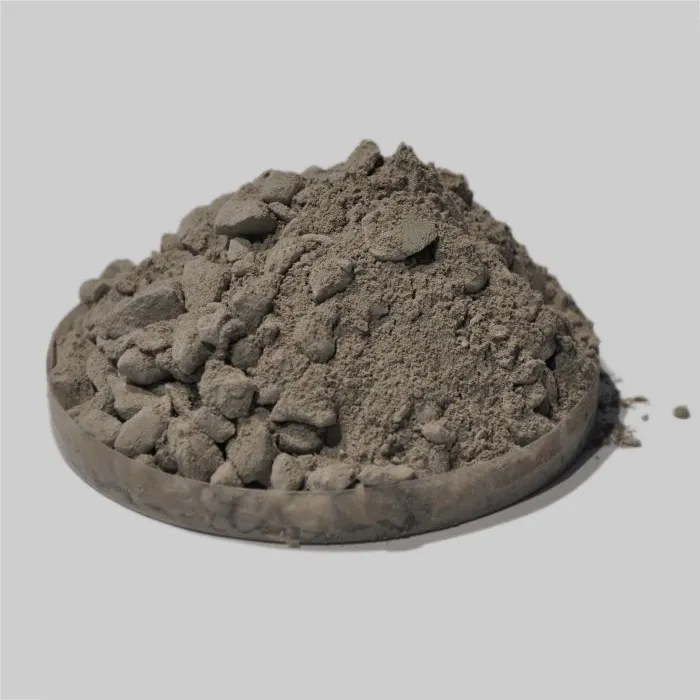
First off, let's talk about what gunning mix is. Gunning mix is a refractory material that's used to repair and line furnaces, ladles, and other high - temperature equipment. It's usually made up of a blend of refractory aggregates, binders, and additives. The main job of gunning mix is to protect these pieces of equipment from the extreme heat and chemical reactions that come with handling molten metals.
When it comes to the reaction between gunning mix and molten metals, there are a few key factors at play. One of the most important things is the chemical composition of both the gunning mix and the molten metal. Different metals have different chemical properties, and they can react in various ways with the components of the gunning mix.
For example, let's consider steelmaking. In an electric arc furnace (EAF), molten steel is extremely hot, reaching temperatures of around 1600°C. The gunning mix used for Hot Patching EAF Gunning Mix needs to be able to withstand these high temperatures without melting or breaking down. The refractory aggregates in the gunning mix, such as alumina or magnesia, have high melting points and can resist the heat.
But it's not just about heat resistance. The gunning mix also has to deal with chemical reactions. Molten steel contains various elements like carbon, silicon, and manganese. These elements can react with the binders and additives in the gunning mix. For instance, carbon in the molten steel can react with some of the oxides in the gunning mix, leading to the formation of new compounds. This can either strengthen or weaken the gunning mix, depending on the specific reaction.
In ladles, which are used to transport and pour molten metals, the situation is a bit different. The Ladle Gunning Mix has to not only withstand the heat of the molten metal but also the mechanical stress of pouring and movement. When the molten metal is poured into the ladle, it creates a lot of turbulence. This can cause the gunning mix to erode over time.
The chemical reactions in ladles are also influenced by the type of metal being handled. For example, if we're dealing with aluminum molten metal, it has a lower melting point compared to steel but is highly reactive. Aluminum can react with certain oxides in the gunning mix to form intermetallic compounds. These compounds can change the structure of the gunning mix and affect its performance.
Another factor that affects the reaction between gunning mix and molten metals is the application method. Gunning mix is usually applied using a gunning machine. The way it's applied can impact how well it adheres to the surface and how it reacts with the molten metal. If the gunning mix is applied too thickly, it might not bond properly, and there could be air pockets. These air pockets can act as weak points, making the gunning mix more susceptible to damage from the molten metal.
On the other hand, if it's applied too thinly, it might not provide enough protection. The application should be done in a way that ensures a uniform layer of gunning mix. This helps in maintaining consistent heat transfer and chemical reactions across the surface.
The temperature at which the gunning mix is applied also matters. If it's applied at a temperature that's too low, the binders might not cure properly, and the gunning mix won't have the desired strength. If it's too high, some of the components in the gunning mix might start to break down before they even come into contact with the molten metal.
Now, let's talk about how we can optimize the reaction between gunning mix and molten metals. One way is to carefully select the right type of gunning mix for the specific application. Different metals and processes require different formulations of gunning mix. For example, for high - carbon steel production, a gunning mix with a high alumina content might be more suitable as alumina can resist the carbon - related reactions better.
We can also improve the performance of the gunning mix by adding special additives. These additives can enhance the heat resistance, chemical stability, and mechanical strength of the gunning mix. For instance, some additives can form a protective layer on the surface of the gunning mix when it comes into contact with the molten metal, reducing the chances of chemical reactions.
Proper maintenance of the gunning - lined equipment is also crucial. Regular inspections can help detect any signs of wear or damage early on. If we notice that the gunning mix is starting to erode or if there are any cracks, we can perform repairs promptly. This can extend the lifespan of the gunning mix and ensure that it continues to protect the equipment effectively.
In conclusion, the reaction between gunning mix and molten metals is a complex process that's influenced by many factors. As a gunning mix supplier, I understand the importance of providing high - quality products that can handle these challenges. Whether you're in the steel, aluminum, or any other metal - processing industry, having the right gunning mix can make a huge difference in the efficiency and longevity of your equipment.
If you're interested in learning more about our gunning mix products or if you have specific requirements for your operation, I'd love to have a chat. Contact us to start a discussion about how we can meet your needs and optimize your metal - processing processes.
References
- "Refractories Handbook" by John Smith
- "High - Temperature Materials and Processes" journal articles