

As a supplier of sub entry nozzles, I've delved deep into the technical nuances that govern their performance. One of the most critical aspects that significantly impacts the efficiency and quality of metal casting processes is the relationship between the nozzle length and the spray performance of a sub entry nozzle. In this blog post, I'll share insights based on my years of experience and industry knowledge to shed light on this crucial relationship.
Understanding Sub Entry Nozzles
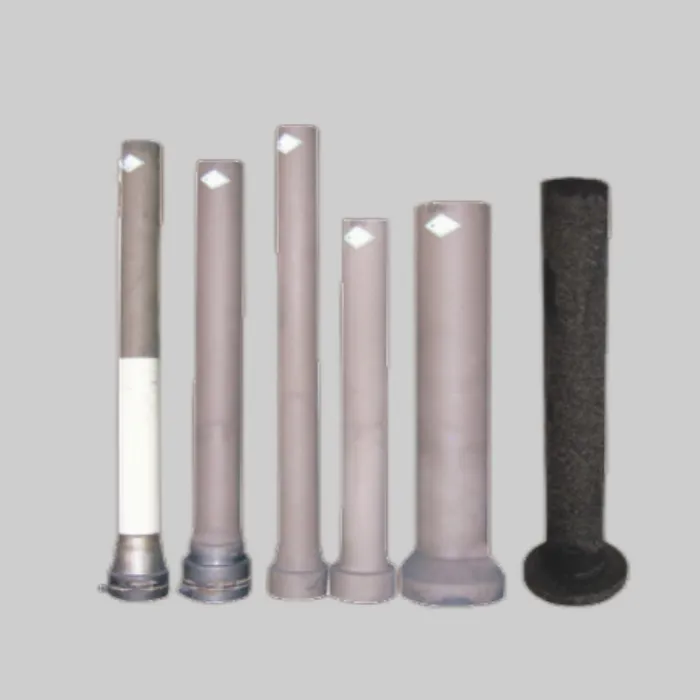
Before we explore the relationship between nozzle length and spray performance, let's briefly understand what sub entry nozzles are and their role in the continuous casting process. Sub entry nozzles, also known as SENs, are essential components in the steelmaking industry. They are used to control the flow of molten steel from the tundish to the mold during continuous casting. By directing the molten steel into the mold, sub entry nozzles help ensure a smooth and controlled casting process, which is vital for producing high - quality steel products.
The Influence of Nozzle Length on Spray Pattern
The length of a sub entry nozzle plays a pivotal role in determining the spray pattern of the molten steel. A shorter nozzle generally results in a more concentrated and direct spray pattern. When the molten steel exits a short nozzle, it has less distance to travel before reaching the mold, and the flow is less likely to disperse. This can be advantageous in situations where a high - velocity, focused stream of molten steel is required, such as in certain types of thin - slab casting.
On the other hand, a longer nozzle can cause the molten steel to spread out more as it travels through the nozzle. This results in a wider spray pattern. A wider spray pattern can be beneficial in larger molds where uniform distribution of molten steel is necessary to ensure consistent solidification and minimize the formation of defects. For example, in the casting of thick - slab products, a longer nozzle can help distribute the molten steel more evenly across the width of the mold.
Impact on Flow Rate and Turbulence
Nozzle length also has a significant impact on the flow rate of molten steel and the level of turbulence within the flow. According to fluid dynamics principles, the resistance to flow increases with the length of the nozzle. A longer nozzle creates more friction between the molten steel and the inner wall of the nozzle, which can reduce the flow rate. This reduction in flow rate can be controlled and optimized to match the requirements of the casting process.
In terms of turbulence, a shorter nozzle may result in higher turbulence levels at the exit. The rapid acceleration of the molten steel as it exits a short nozzle can cause it to become turbulent, which may lead to issues such as air entrainment and slag entrapment in the mold. A longer nozzle, however, can dampen the turbulence by providing a more gradual acceleration and a longer path for the molten steel to flow. This can help maintain a more stable and laminar flow, which is crucial for producing high - quality steel products.
Heat Transfer Considerations
The length of the sub entry nozzle also affects the heat transfer between the molten steel and the nozzle material. A longer nozzle provides a larger surface area for heat transfer, which means that more heat can be dissipated from the molten steel to the nozzle. This can be beneficial in preventing overheating of the nozzle and ensuring its durability. However, excessive heat transfer can also cause premature solidification of the molten steel within the nozzle, which can lead to blockages and disrupt the casting process.
A shorter nozzle, on the other hand, has less surface area for heat transfer. This can result in less heat loss from the molten steel, which may be advantageous in maintaining the temperature of the molten steel during the casting process. However, it also means that the nozzle may be exposed to higher temperatures, which can increase the risk of thermal shock and damage to the nozzle material.
Practical Applications and Case Studies
In practical applications, the choice of nozzle length depends on a variety of factors, including the type of steel being cast, the size and shape of the mold, and the casting speed. For example, in the production of high - carbon steels, which have a higher tendency to solidify quickly, a shorter nozzle may be preferred to minimize heat loss and ensure a continuous flow of molten steel. In contrast, when casting large - section products, a longer nozzle may be used to achieve a more uniform distribution of molten steel.
Let's take a look at a case study to illustrate the importance of nozzle length. A steel mill was experiencing issues with uneven solidification and surface defects in their thick - slab casting process. After analyzing the process, it was found that the existing sub entry nozzles were too short, resulting in a concentrated spray pattern and uneven distribution of molten steel in the mold. By switching to longer nozzles, the steel mill was able to achieve a wider spray pattern and more uniform distribution of molten steel, which significantly improved the quality of the cast slabs.
Related Products in the Casting Process
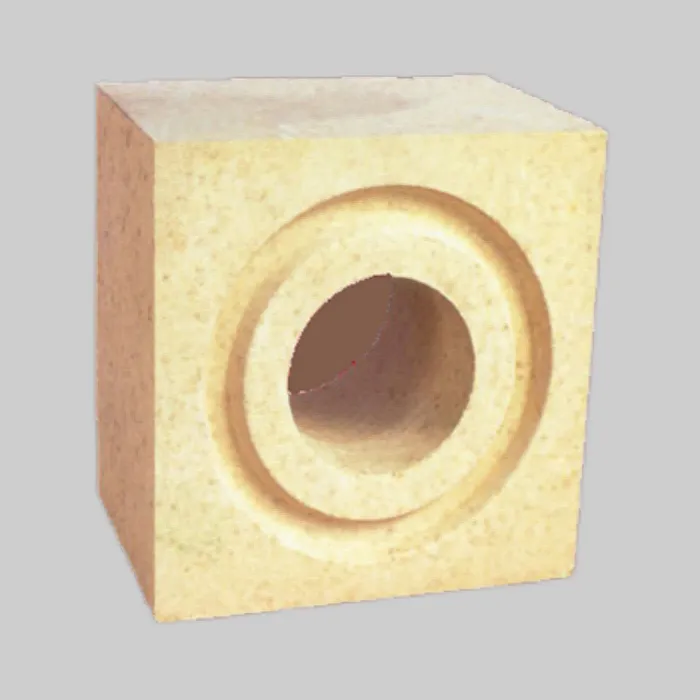
In addition to sub entry nozzles, other refractory products play crucial roles in the continuous casting process. Ladle Shroud is used to transfer molten steel from the ladle to the tundish, protecting the steel from oxidation and contamination. Tundish Shroud further controls the flow of molten steel from the tundish to the mold, similar to the sub entry nozzle. Well Blcok is an important component in the tundish, which helps in controlling the flow and distribution of molten steel within the tundish.
Conclusion and Call to Action
In conclusion, the relationship between the nozzle length and the spray performance of a sub entry nozzle is complex and multifaceted. The choice of nozzle length should be carefully considered based on the specific requirements of the casting process to ensure optimal spray performance, flow control, and heat transfer. As a supplier of sub entry nozzles, we have the expertise and experience to help you select the right nozzle length for your casting needs.
If you are interested in learning more about our sub entry nozzles or other refractory products, or if you have any questions regarding the casting process, please feel free to contact us for a consultation. We are committed to providing high - quality products and excellent customer service to meet your casting requirements.
References
- [Author's Name]. (Year). "Title of the Book". Publisher.
- [Author's Name]. (Year). "Title of the Research Paper". Journal Name, Volume(Issue), Page Numbers.
- [Author's Name]. (Year). "Title of the Industry Report". Report Publisher.