

What is the color of calcined bauxite? This is a question that often arises among those in industries such as refractory materials, abrasives, and ceramics. As a supplier of calcined bauxite, I've had numerous discussions with customers about this very topic. In this blog, I'll delve into the factors that determine the color of calcined bauxite, explore the different colors it can take on, and how these colors can influence its applications.
Understanding Calcined Bauxite
Before we discuss its color, let's briefly understand what calcined bauxite is. Bauxite is a sedimentary rock that is the primary source of aluminum. When bauxite is heated at high temperatures, typically in a rotary kiln, it undergoes a process called calcination. This process removes water and other volatile components, resulting in calcined bauxite. The Rotary Kiln Bauxite produced through this method has unique properties that make it suitable for a wide range of industrial applications.
Factors Affecting the Color of Calcined Bauxite
The color of calcined bauxite is primarily influenced by its chemical composition and the calcination process. Here are the key factors:
Chemical Composition
- Iron Content: Iron is one of the most significant factors affecting the color of calcined bauxite. Bauxite deposits naturally contain varying amounts of iron oxide (Fe₂O₃). When bauxite is calcined, the iron oxide can react with other minerals in the bauxite, leading to different colors. Higher iron content generally results in a darker color, such as reddish - brown or dark brown. In contrast, bauxite with lower iron content tends to be lighter in color, often ranging from off - white to light pink.
- Titanium Dioxide (TiO₂): Titanium dioxide is another common component in bauxite. Although its effect on color is not as pronounced as iron, it can contribute to the overall hue. In some cases, titanium dioxide can cause a slight yellowish tint in the calcined bauxite.
- Other Impurities: Trace elements such as manganese, chromium, and vanadium can also influence the color. These impurities can react with the main minerals during calcination, resulting in unique color variations.
Calcination Process
- Temperature: The calcination temperature plays a crucial role in determining the color of calcined bauxite. Higher temperatures can cause more complete dehydration and phase transformations in the bauxite. For example, if the temperature is too low, the bauxite may not be fully calcined, resulting in a lighter color and lower quality. On the other hand, extremely high temperatures can cause the iron and other elements to oxidize further, darkening the color.
- Atmosphere: The atmosphere in the calcination kiln can also affect the color. An oxidizing atmosphere (with plenty of oxygen) can promote the oxidation of iron and other elements, leading to darker colors. In a reducing atmosphere (with limited oxygen), the oxidation process is suppressed, and the calcined bauxite may have a lighter color.
Different Colors of Calcined Bauxite and Their Applications
Calcined bauxite comes in a variety of colors, each with its own set of properties and applications.
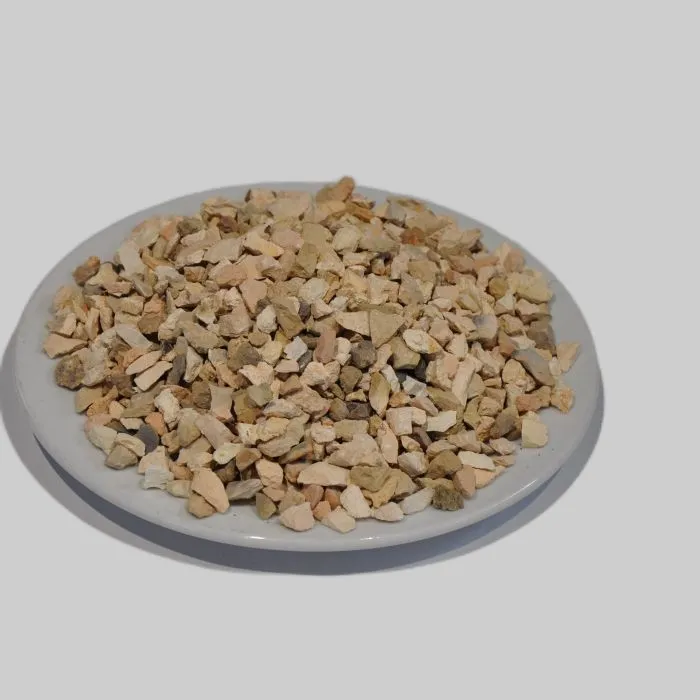
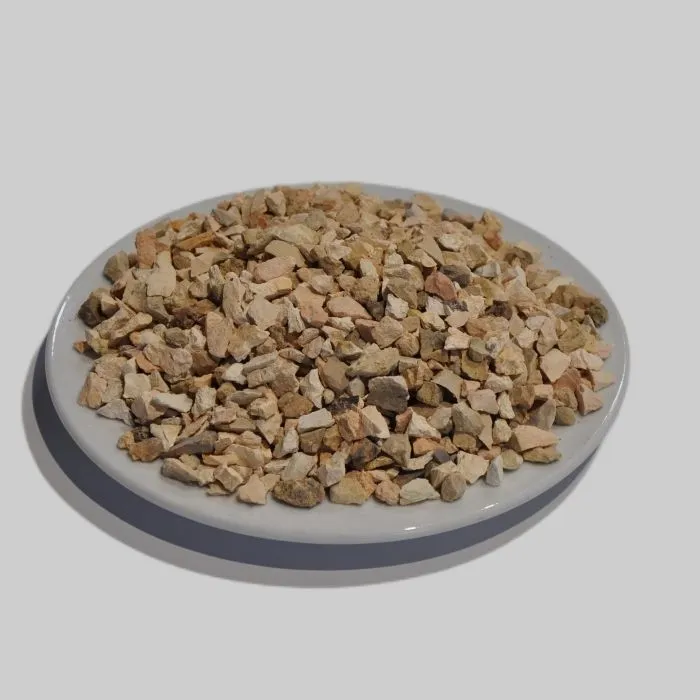
Off - White to Light Pink Calcined Bauxite
This type of calcined bauxite typically has a low iron content and high alumina (Al₂O₃) content. It is often referred to as High Purity Calcined Bauxite. Its high purity and light color make it ideal for applications where color is a critical factor, such as in the production of white or light - colored ceramics, high - grade refractory materials, and some types of abrasives. In the ceramic industry, it can be used to produce porcelain tiles, sanitary ware, and high - end tableware, where a clean and uniform color is desired.
Reddish - Brown to Dark Brown Calcined Bauxite
Calcined bauxite with a higher iron content has a darker color. This type of bauxite is often used in applications where high strength and abrasion resistance are required, rather than color purity. It is commonly used in the production of refractory bricks for furnaces, foundries, and other high - temperature industrial processes. The iron content in the bauxite can enhance the mechanical properties of the refractory materials, making them more resistant to thermal shock and abrasion. Additionally, it can be used in the production of abrasive products such as grinding wheels and sandpapers, where the darker color is not a concern.
Yellowish Calcined Bauxite
The yellowish tint in calcined bauxite is often due to the presence of titanium dioxide or other trace elements. This type of bauxite can be used in applications where a moderate level of purity and specific physical properties are required. It can be used in the production of some types of refractories and abrasives, as well as in the manufacturing of certain types of pigments.
Quality Control and Color Consistency
As a calcined bauxite supplier, ensuring color consistency is an important aspect of quality control. We use advanced analytical techniques to monitor the chemical composition of the raw bauxite and the calcined product. By carefully controlling the calcination process, including temperature, atmosphere, and residence time in the kiln, we can produce calcined bauxite with consistent color and quality. Our Rotary Kiln Calcined Bauxite is produced under strict quality control measures to meet the specific requirements of our customers.
Importance of Color in Customer Selection
Color can be a significant factor in customer selection, depending on the application. For customers in the ceramic and refractory industries, color consistency is often crucial for product appearance and performance. In the ceramic industry, a slight variation in color can affect the final product's aesthetic appeal, especially for high - end products. In the refractory industry, color can sometimes be an indicator of the chemical composition and quality of the calcined bauxite. Customers may prefer a specific color based on their past experience and the requirements of their manufacturing processes.
Contact for Procurement and洽谈
If you are interested in purchasing calcined bauxite for your industrial applications, we would be delighted to assist you. Our team of experts can provide you with detailed information about our products, including color options, chemical composition, and physical properties. We can also offer customized solutions to meet your specific requirements. Whether you need high - purity calcined bauxite for your ceramic production or dark - colored bauxite for refractory applications, we have the right product for you. Please feel free to contact us to start a procurement discussion.
References
- "Bauxite and Alumina" by International Aluminium Institute.
- "Refractory Materials: Principles and Practice" by John F. MacKenzie.
- "Ceramics: Science and Technology" by R. E. Tressler, E. A. Goldberg, and A. J. Moulson.