

The tundish shroud plays a crucial role in the continuous casting process, and its relationship with mold level control is a topic of great significance. As a tundish shroud supplier, I have witnessed firsthand how these two elements interact and influence the overall efficiency and quality of the casting process.
Understanding the Tundish Shroud
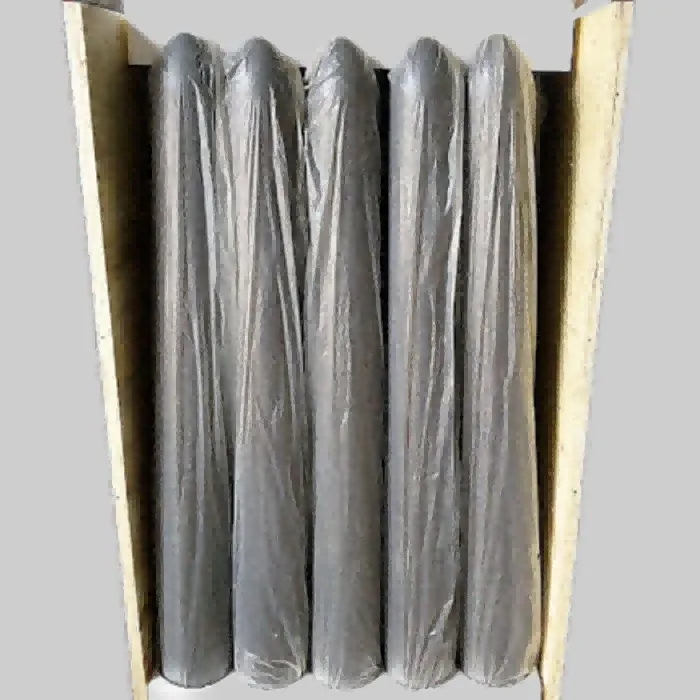
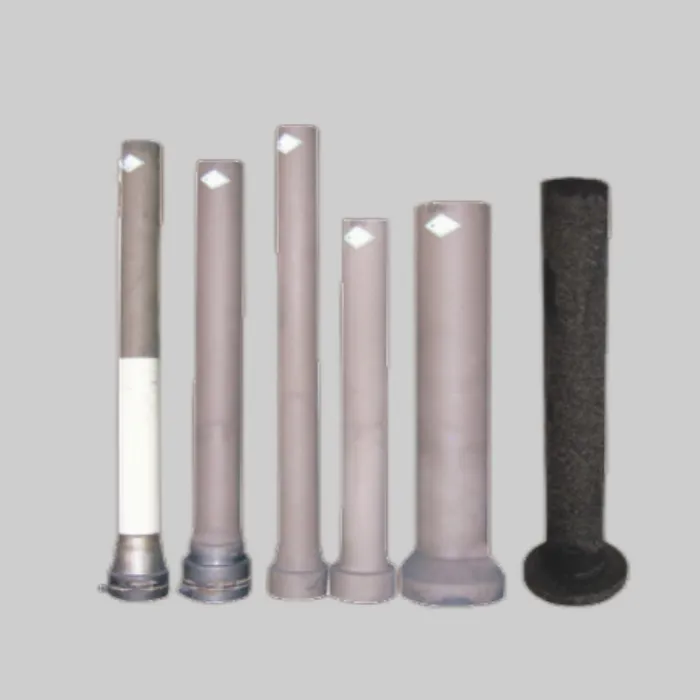
The tundish shroud, also known as a submerged entry nozzle (SEN), is a refractory tube that connects the tundish to the mold in a continuous casting machine. Its primary function is to guide the flow of molten steel from the tundish into the mold while preventing re - oxidation, slag entrainment, and minimizing the splash of the molten metal. The Tundish Shroud is designed to ensure a smooth and controlled flow of steel, which is essential for maintaining the quality of the cast product.
The design of the tundish shroud has a direct impact on the flow pattern of the molten steel in the mold. For example, the shape of the outlet ports of the shroud can influence the direction and velocity of the steel jet entering the mold. A well - designed shroud can create a more uniform flow distribution, which is beneficial for mold level control.
Importance of Mold Level Control
Mold level control is a critical aspect of the continuous casting process. Maintaining a stable mold level is essential for several reasons. Firstly, it helps to ensure a consistent thickness of the solidified shell in the mold. If the mold level fluctuates too much, it can lead to variations in the shell thickness, which may result in surface defects such as cracks and inclusions in the final cast product.
Secondly, stable mold level control is necessary for proper lubrication of the mold. The mold is typically lubricated with mold powder, and a stable level ensures that the powder is evenly distributed and can perform its function effectively. Uneven mold levels can cause the powder to accumulate in some areas and be insufficient in others, leading to poor lubrication and potential casting problems.
The Relationship between Tundish Shroud and Mold Level Control
Flow Rate Regulation
The tundish shroud is closely related to mold level control through its influence on the flow rate of molten steel into the mold. The flow rate is regulated by components such as the Well Blcok and the Monolithic Stopper. The well block is located at the bottom of the tundish and controls the initial flow of steel into the shroud. The monolithic stopper, on the other hand, can be adjusted to precisely control the amount of steel flowing through the shroud into the mold.
A properly functioning tundish shroud allows for a more accurate regulation of the flow rate. If the shroud is damaged or has improper dimensions, it can cause fluctuations in the flow rate, which will directly affect the mold level. For example, if the shroud has a blockage or an uneven internal surface, the flow of steel may be restricted or uneven, leading to sudden drops or rises in the mold level.
Flow Pattern and Turbulence
The flow pattern of the molten steel created by the tundish shroud also impacts mold level control. A well - designed shroud can create a more laminar flow of steel into the mold, reducing turbulence. Turbulence in the mold can cause significant fluctuations in the mold level. When the steel jet enters the mold with high turbulence, it can create waves on the surface of the molten steel, making it difficult to maintain a stable level.
On the contrary, a shroud that promotes a laminar flow helps to keep the mold level more stable. The steel enters the mold in a more controlled manner, minimizing the formation of waves and reducing the risk of level fluctuations.
Prevention of Slag Entrainment
The tundish shroud helps to prevent slag entrainment from the tundish into the mold. Slag entrainment can have a negative impact on mold level control. When slag enters the mold, it can change the density and viscosity of the molten steel, affecting its flow behavior. This can lead to unpredictable changes in the mold level.
By preventing slag entrainment, the tundish shroud ensures that the properties of the molten steel in the mold remain consistent, which is crucial for maintaining a stable mold level. A high - quality shroud with proper sealing and design features can effectively block the entry of slag, contributing to better mold level control.
Challenges in Maintaining the Relationship
Wear and Erosion
One of the main challenges in maintaining the relationship between the tundish shroud and mold level control is the wear and erosion of the shroud. The high - temperature and high - velocity flow of molten steel can cause significant wear on the inner surface of the shroud over time. As the shroud wears, its internal dimensions change, which can affect the flow rate and flow pattern of the steel.
Worn shrouds may also develop cracks or holes, allowing slag to enter the mold or causing an uneven flow of steel. This can lead to unstable mold levels and casting defects. Regular inspection and replacement of the tundish shroud are necessary to ensure its proper functioning and to maintain a stable mold level.
Alignment and Installation
Proper alignment and installation of the tundish shroud are crucial for its performance and its relationship with mold level control. If the shroud is not installed correctly, it can cause misalignment of the steel jet entering the mold. This misalignment can lead to uneven flow distribution, increased turbulence, and ultimately, poor mold level control.
Ensuring that the shroud is accurately aligned with the tundish outlet and the mold is essential. Any deviation from the correct alignment can have a significant impact on the casting process and the ability to maintain a stable mold level.
Solutions and Best Practices
High - Quality Materials
Using high - quality refractory materials for the tundish shroud can significantly reduce the wear and erosion problems. Advanced refractory materials with high thermal shock resistance and corrosion resistance can extend the service life of the shroud. This ensures that the shroud maintains its shape and dimensions for a longer period, providing a more consistent flow of steel and better mold level control.
Regular Monitoring and Maintenance
Regular monitoring of the tundish shroud and the mold level is essential. By using sensors and monitoring systems, operators can detect any early signs of problems such as wear, misalignment, or flow rate fluctuations. Based on the monitoring results, timely maintenance and replacement of the shroud can be carried out to prevent mold level control issues.
Training and Expertise
Providing proper training to the operators is crucial. Operators should be well - versed in the installation, alignment, and maintenance of the tundish shroud. They should also understand the relationship between the shroud and mold level control and be able to respond quickly to any issues that may arise.
Conclusion
In conclusion, the relationship between the tundish shroud and mold level control is extremely important in the continuous casting process. The tundish shroud, through its influence on flow rate, flow pattern, and prevention of slag entrainment, plays a vital role in maintaining a stable mold level. However, challenges such as wear, erosion, and installation issues need to be addressed to ensure the proper functioning of the shroud and effective mold level control.
As a tundish shroud supplier, we are committed to providing high - quality products and technical support to our customers. We understand the importance of this relationship and work closely with our clients to optimize the continuous casting process. If you are looking for reliable tundish shrouds and solutions for better mold level control, we invite you to contact us for procurement and technical discussions.
References
- "Continuous Casting of Steel" by The Steelmaking and Refining Committee of the Iron and Steel Society
- "Refractories for the Steel Industry" by Elsevier
- Technical papers and research articles on continuous casting processes from industry - leading journals such as ISIJ International.