

As a supplier of castable fire bricks, I've witnessed firsthand the transformative power of additives in enhancing the performance and versatility of these essential refractory materials. Castable fire bricks are widely used in a variety of high-temperature applications, from industrial furnaces and kilns to incinerators and power plants. The addition of carefully selected additives can significantly improve the physical and chemical properties of castable fire bricks, making them more durable, resistant to corrosion, and better suited to specific operating conditions.
Understanding Castable Fire Bricks
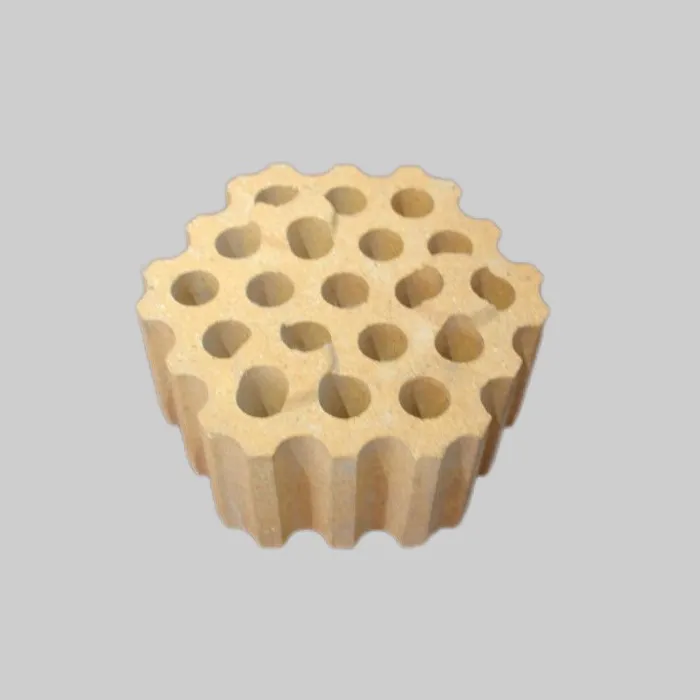
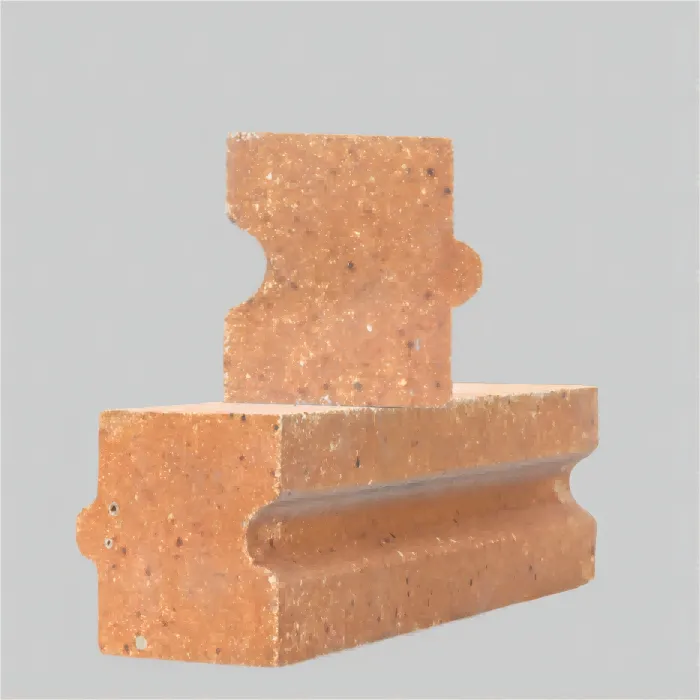
Before delving into the role of additives, it's important to understand the basics of castable fire bricks. These bricks are made from a mixture of refractory aggregates, binders, and additives, which are combined with water to form a workable paste. The paste is then poured or cast into molds and allowed to set and cure, resulting in a solid, monolithic structure. Castable fire bricks offer several advantages over traditional fired bricks, including ease of installation, reduced labor costs, and the ability to be shaped and formed to fit complex geometries.
The Role of Additives
Additives play a crucial role in the performance of castable fire bricks. They can be classified into several categories based on their function, including bonding agents, dispersants, retarders, accelerators, and antioxidants. Each type of additive serves a specific purpose and can have a significant impact on the properties of the final product.
Bonding Agents
Bonding agents are used to improve the cohesion and strength of the castable mixture. They help to bind the refractory aggregates together, preventing them from separating during the casting and curing process. Common bonding agents include cement, clay, and colloidal silica. Cement is the most widely used bonding agent in castable fire bricks due to its high strength and durability. It reacts with water to form a hard, cementitious matrix that holds the aggregates in place. Clay is another popular bonding agent, especially for low-temperature applications. It provides good plasticity and workability, making it easier to shape and form the castable mixture. Colloidal silica is a relatively new bonding agent that offers several advantages over traditional cement and clay. It has a high surface area and can form strong bonds with the refractory aggregates, resulting in a more dense and homogeneous structure.
Dispersants
Dispersants are used to improve the flowability and workability of the castable mixture. They help to break up agglomerates of refractory aggregates and prevent them from settling or segregating during the mixing and casting process. Common dispersants include polycarboxylate ethers, lignosulfonates, and naphthalene sulfonates. Polycarboxylate ethers are the most effective dispersants for castable fire bricks due to their high dispersing efficiency and low dosage requirements. They can significantly reduce the water demand of the castable mixture, resulting in a more dense and stronger final product. Lignosulfonates and naphthalene sulfonates are also commonly used dispersants, but they are less effective than polycarboxylate ethers and may require higher dosages.
Retarders
Retarders are used to slow down the setting and curing process of the castable mixture. They are particularly useful in hot weather conditions or when long working times are required. Common retarders include citric acid, tartaric acid, and borax. Citric acid is the most widely used retarder in castable fire bricks due to its effectiveness and low cost. It reacts with the cement in the castable mixture to form a complex that inhibits the hydration process, delaying the setting and curing of the mixture. Tartaric acid and borax are also effective retarders, but they may have a greater impact on the final strength and durability of the castable fire bricks.
Accelerators
Accelerators are used to speed up the setting and curing process of the castable mixture. They are particularly useful in cold weather conditions or when rapid turnaround times are required. Common accelerators include calcium chloride, sodium aluminate, and potassium carbonate. Calcium chloride is the most widely used accelerator in castable fire bricks due to its effectiveness and low cost. It reacts with the cement in the castable mixture to form a complex that promotes the hydration process, accelerating the setting and curing of the mixture. Sodium aluminate and potassium carbonate are also effective accelerators, but they may have a greater impact on the final strength and durability of the castable fire bricks.
Antioxidants
Antioxidants are used to prevent the oxidation of the refractory aggregates and binders in the castable mixture. They are particularly useful in high-temperature applications where oxidation can cause the degradation of the castable fire bricks. Common antioxidants include silicon carbide, graphite, and aluminum powder. Silicon carbide is the most widely used antioxidant in castable fire bricks due to its high thermal conductivity and resistance to oxidation. It can form a protective layer on the surface of the castable fire bricks, preventing the penetration of oxygen and other oxidizing agents. Graphite and aluminum powder are also effective antioxidants, but they may have a greater impact on the final strength and durability of the castable fire bricks.
Benefits of Using Additives
The use of additives in castable fire bricks offers several benefits, including improved performance, increased durability, and reduced costs. By enhancing the physical and chemical properties of the castable mixture, additives can help to extend the service life of the castable fire bricks and reduce the need for frequent repairs and replacements. This can result in significant cost savings over the long term, especially in high-temperature applications where the cost of downtime and maintenance can be substantial.
Improved Performance
Additives can significantly improve the performance of castable fire bricks in a variety of ways. For example, bonding agents can increase the strength and cohesion of the castable mixture, making it more resistant to cracking and spalling. Dispersants can improve the flowability and workability of the castable mixture, making it easier to install and shape. Retarders and accelerators can control the setting and curing time of the castable mixture, allowing for greater flexibility in the installation process. Antioxidants can prevent the oxidation of the refractory aggregates and binders, improving the resistance of the castable fire bricks to high-temperature corrosion and erosion.
Increased Durability
Additives can also increase the durability of castable fire bricks by improving their resistance to wear, abrasion, and thermal shock. For example, silicon carbide and graphite can enhance the hardness and toughness of the castable fire bricks, making them more resistant to wear and abrasion. Alumina and zirconia can improve the thermal shock resistance of the castable fire bricks, allowing them to withstand rapid changes in temperature without cracking or spalling. By increasing the durability of the castable fire bricks, additives can help to reduce the frequency of repairs and replacements, resulting in significant cost savings over the long term.
Reduced Costs
The use of additives in castable fire bricks can also result in reduced costs by improving the efficiency of the installation process and reducing the need for expensive refractory materials. For example, dispersants can reduce the water demand of the castable mixture, resulting in a more dense and stronger final product. This can reduce the amount of refractory material required for the installation, resulting in cost savings. Retarders and accelerators can also improve the efficiency of the installation process by allowing for greater flexibility in the setting and curing time of the castable mixture. This can reduce the amount of labor required for the installation, resulting in further cost savings.
Applications of Castable Fire Bricks with Additives
Castable fire bricks with additives are used in a wide range of high-temperature applications, including industrial furnaces, kilns, incinerators, power plants, and chemical processing plants. In industrial furnaces, castable fire bricks are used to line the walls, floors, and roofs of the furnace, providing insulation and protection against high temperatures and corrosive gases. In kilns, castable fire bricks are used to line the firing chamber, ensuring uniform heating and preventing the loss of heat. In incinerators, castable fire bricks are used to line the combustion chamber, providing a durable and heat-resistant surface for the burning of waste materials. In power plants, castable fire bricks are used to line the boilers, turbines, and other high-temperature components, ensuring efficient operation and reducing the risk of equipment failure. In chemical processing plants, castable fire bricks are used to line the reactors, distillation columns, and other high-temperature vessels, providing a corrosion-resistant and heat-resistant surface for the processing of chemicals.
Conclusion
In conclusion, additives play a crucial role in the performance and versatility of castable fire bricks. By enhancing the physical and chemical properties of the castable mixture, additives can improve the strength, durability, and resistance of the castable fire bricks to high temperatures, corrosion, and erosion. This can result in significant cost savings over the long term, especially in high-temperature applications where the cost of downtime and maintenance can be substantial. As a supplier of castable fire bricks, I am committed to providing our customers with high-quality products that meet their specific needs and requirements. If you are interested in learning more about our castable fire bricks or would like to discuss your specific application, please feel free to contact us. We look forward to working with you to find the best solution for your high-temperature needs.
For more information on our products, you can visit the following links:
References
- ASTM International. (2021). Standard Terminology Relating to Refractories. ASTM C71-21.
- ASM International. (2004). ASM Handbook, Volume 13A: Corrosion: Fundamentals, Testing, and Protection.
- Reed, J. S. (1995). Principles of Ceramics Processing. John Wiley & Sons.
- Schaeffer, R. J. (2004). Refractory Materials: Properties and Selection. ASM International.