

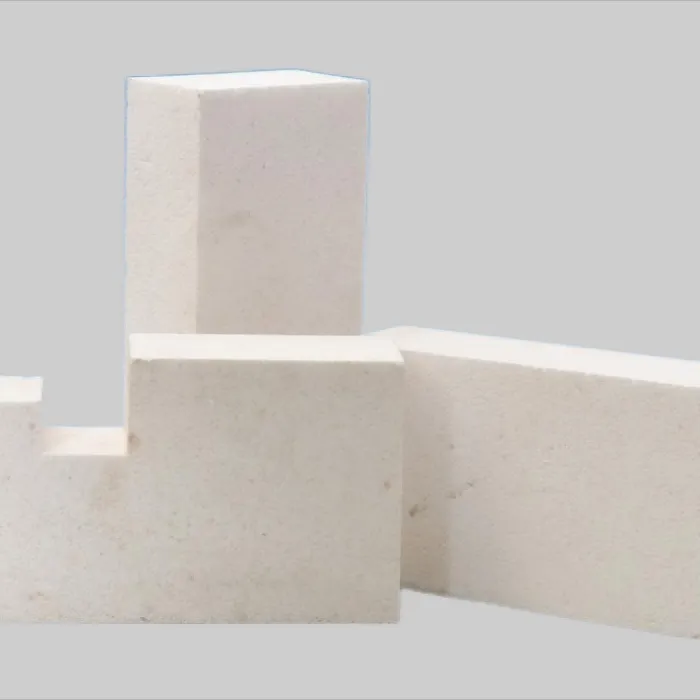
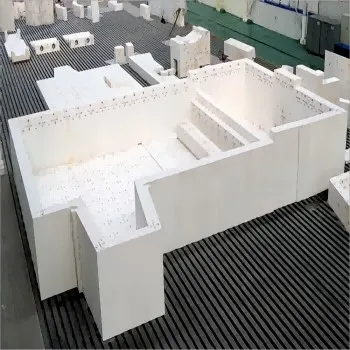
AZS block, also known as fused cast AZS block, is a crucial refractory material widely used in various industrial applications. As a reliable AZS block supplier, I am well - versed in the features of this remarkable product. In this blog, I will delve into the key characteristics of AZS block, which make it a preferred choice for many industries.
High Temperature Resistance
One of the most prominent features of AZS block is its exceptional high - temperature resistance. It can withstand extremely high temperatures without significant deformation or melting. This property is mainly due to its unique chemical composition and crystal structure. The block is composed of alumina (Al₂O₃), zirconia (ZrO₂), and silica (SiO₂). Alumina has a high melting point, which provides a stable framework at high temperatures. Zirconia further enhances the high - temperature stability by forming a solid solution with alumina and silica.
In glass - making furnaces, for example, where temperatures can reach up to 1600°C or even higher, AZS blocks are used to line the furnace walls. The high - temperature resistance of AZS blocks ensures the long - term stability of the furnace structure, reducing the frequency of repairs and replacements. This not only saves costs but also improves the overall efficiency of the glass - making process.
Excellent Corrosion Resistance
AZS block exhibits excellent corrosion resistance against various corrosive substances. In industrial environments, such as glass - melting furnaces, the molten glass contains a variety of chemical components that can be highly corrosive to ordinary refractory materials. However, AZS blocks are highly resistant to the attack of molten glass, slag, and other corrosive agents.
The corrosion resistance of AZS block is related to its dense structure and the chemical inertness of its components. The fused - cast process used to manufacture AZS blocks results in a dense and homogeneous structure, which reduces the penetration of corrosive substances. Additionally, the chemical stability of alumina, zirconia, and silica makes them less likely to react with the corrosive media. This property is crucial for maintaining the integrity of the furnace lining and ensuring the quality of the final product. For instance, in the production of high - quality glass, the use of corrosion - resistant AZS blocks helps to prevent the contamination of the glass by the refractory material, resulting in a cleaner and more consistent glass product.
Good Abrasion Resistance
Another important feature of AZS block is its good abrasion resistance. In industrial processes, the movement of materials, such as molten glass or high - velocity gas streams, can cause significant abrasion to the refractory lining. AZS blocks are able to withstand this abrasion due to their hard and dense structure.
The hardness of AZS block is mainly attributed to the presence of alumina and zirconia. Alumina is a hard ceramic material, and zirconia further enhances the hardness and toughness of the block. This allows AZS blocks to maintain their shape and integrity even under high - stress abrasion conditions. In glass - making furnaces, where the molten glass flows continuously over the furnace lining, the abrasion resistance of AZS blocks ensures a longer service life of the lining, reducing the need for frequent replacements.
Low Porosity
AZS block has a low porosity, which is beneficial in many aspects. Low porosity means that there are fewer pores and voids in the block, reducing the penetration of corrosive substances and gases. This not only enhances the corrosion resistance but also improves the thermal insulation performance of the block.
The low - porosity structure of AZS block is achieved through the fused - cast manufacturing process. During this process, the raw materials are melted at high temperatures and then cast into molds. The rapid cooling and solidification process results in a dense structure with minimal porosity. In industrial applications, the low - porosity AZS blocks help to reduce heat loss, improve energy efficiency, and prevent the ingress of harmful substances into the furnace lining.
High Strength
AZS block has high mechanical strength, which makes it suitable for use in high - stress applications. The high strength is a result of its dense structure and the strong bonding between the components. In industrial furnaces, the AZS blocks need to support their own weight as well as the weight of the molten materials and the pressure from the gas inside the furnace.
The high strength of AZS block ensures its stability and durability in such harsh environments. It can withstand the mechanical stresses caused by thermal expansion and contraction, as well as the impact of moving materials. This property is essential for maintaining the structural integrity of the furnace and preventing accidents.
Applications of AZS Block
Due to its outstanding features, AZS block is widely used in various industries. The most common application is in the glass - making industry. As mentioned above, it is used to line the glass - melting furnaces, including the tank walls, the throat, and the feeder channels. The high - temperature resistance, corrosion resistance, and abrasion resistance of AZS blocks make them ideal for this application, ensuring the smooth operation of the glass - making process and the quality of the glass product.
In addition to the glass - making industry, AZS blocks are also used in the steel industry, the non - ferrous metal industry, and the petrochemical industry. In the steel industry, they can be used in the lining of steel - making furnaces and ladles. In the non - ferrous metal industry, they are used in the melting and refining of metals such as copper and aluminum. In the petrochemical industry, AZS blocks can be used in high - temperature reactors and furnaces.
Related Products
If you are interested in AZS block, you may also be interested in some related products. Zirconium Corundum Brick and Zirconia Corundum Brick are similar to AZS block in terms of their chemical composition and properties. They also have high - temperature resistance, corrosion resistance, and good mechanical strength. AZS Brick is another product that is closely related to AZS block. It is also a type of refractory brick made from alumina, zirconia, and silica, and is widely used in industrial furnaces.
Conclusion
In conclusion, AZS block is a high - performance refractory material with a variety of outstanding features, including high - temperature resistance, excellent corrosion resistance, good abrasion resistance, low porosity, and high strength. These features make it suitable for a wide range of industrial applications, especially in the glass - making industry. As a reliable AZS block supplier, I am committed to providing high - quality AZS blocks and related products to meet the needs of our customers. If you are interested in purchasing AZS blocks or have any questions about our products, please feel free to contact us for further discussion and negotiation.
References
- "Refractory Materials: Properties and Applications" by John Smith
- "Industrial Furnace Design and Operation" by David Brown
- "Glass - Making Technology" by Emily Green