

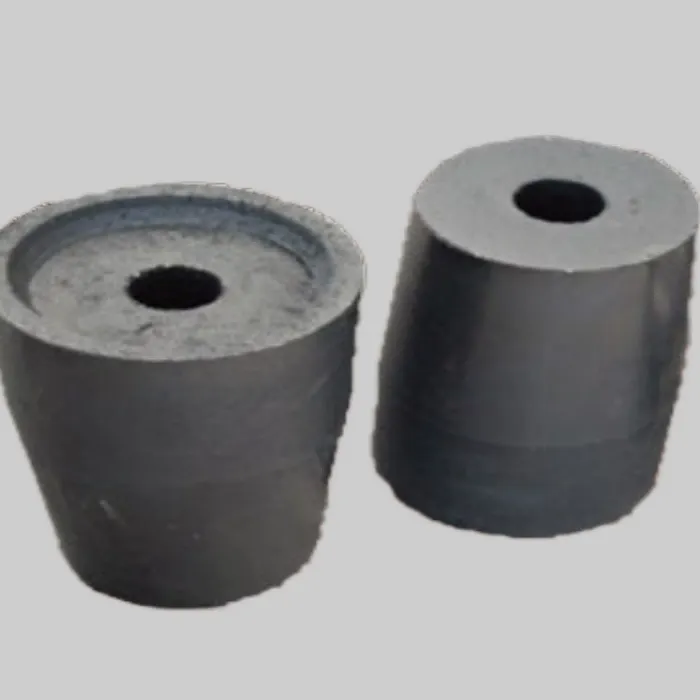
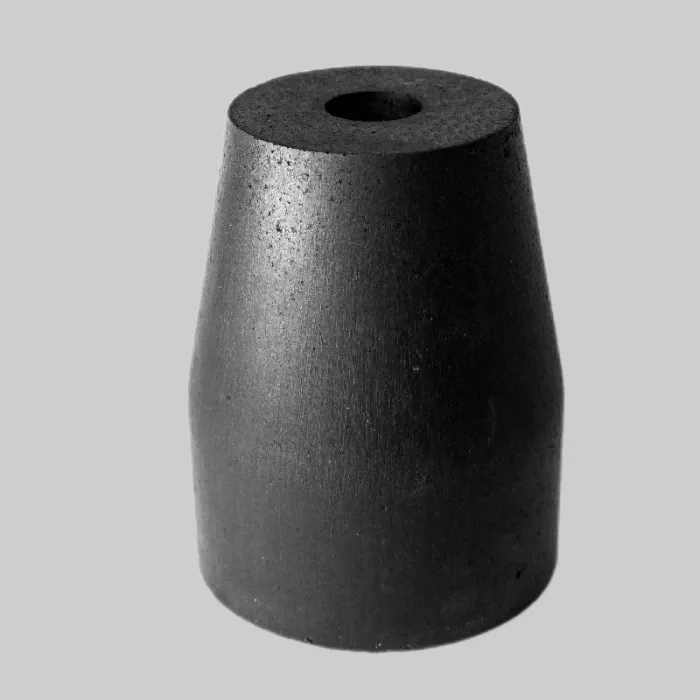
As a leading supplier of zirconia nozzles, I understand the critical importance of proper storage requirements for these high - performance industrial components. Zirconia nozzles are widely used in various industries, such as steelmaking, foundry, and glass manufacturing, thanks to their excellent thermal stability, high wear resistance, and chemical inertness. However, improper storage can significantly degrade their performance and lifespan. In this blog post, I will delve into the key storage requirements for zirconia nozzles to ensure their optimal condition and functionality.
Environmental Conditions
The first and foremost aspect of storing zirconia nozzles is controlling the environmental conditions. Zirconia is sensitive to humidity, temperature fluctuations, and exposure to certain chemicals.
Humidity Control
Humidity can have a detrimental effect on zirconia nozzles. Prolonged exposure to high humidity can cause the zirconia material to absorb moisture, leading to changes in its physical and chemical properties. Moisture absorption can promote the formation of surface corrosion, which weakens the nozzle structure and reduces its wear resistance.
To prevent this, zirconia nozzles should be stored in a dry environment. The ideal relative humidity for storage should be maintained between 30% - 50%. Dehumidifiers can be used in the storage area if the natural humidity levels are high. Additionally, the nozzles should be stored in sealed containers or packaging with desiccant packets to absorb any excess moisture.
Temperature Management
Temperature fluctuations can also pose a threat to the integrity of zirconia nozzles. Zirconia has a relatively high coefficient of thermal expansion, and sudden changes in temperature can cause internal stresses within the material. These stresses can lead to cracking or warping of the nozzles, rendering them useless.
The storage temperature should be kept relatively stable, preferably between 20°C - 30°C. Avoid storing the nozzles in areas where they are exposed to direct sunlight or sources of extreme heat, such as heaters or furnaces. In cold environments, ensure that the storage area is properly insulated to prevent rapid temperature drops.
Chemical Exposure
Zirconia nozzles are chemically inert in most cases, but they can still be affected by certain harsh chemicals. Avoid storing the nozzles in close proximity to strong acids, alkalis, or other corrosive substances. These chemicals can react with the zirconia surface, causing pitting, corrosion, or even dissolution of the material.
Packaging and Handling
Proper packaging is essential for protecting zirconia nozzles during storage. The packaging should be designed to prevent physical damage, moisture ingress, and contamination.
Packaging Materials
Use high - quality, durable packaging materials such as plastic containers, cardboard boxes with protective padding, or metal cases. The packaging should be sealed to prevent dust, dirt, and moisture from entering. For smaller nozzles, individual plastic bags or bubble wrap can be used before placing them in larger containers.
Labeling
Each package should be clearly labeled with the type of zirconia nozzle, its specifications, quantity, and storage instructions. This helps in easy identification and ensures that the nozzles are stored and handled correctly.
Handling Precautions
When handling the nozzles during storage, use appropriate tools and equipment. Avoid dropping or subjecting the nozzles to excessive impact, as this can cause cracks or chips. Wear gloves to prevent fingerprints or other contaminants from coming into contact with the nozzle surface.
Storage Arrangement
The way zirconia nozzles are arranged in the storage area also matters.
Shelving and Racking
Use sturdy shelves or racks to store the nozzles. The shelves should be level and clean to prevent the nozzles from rolling or tipping over. The nozzles should be arranged in an organized manner, with similar types and sizes grouped together for easy access.
Avoid Overcrowding
Do not overcrowd the storage area. Leave enough space between the nozzles to allow for proper air circulation and easy inspection. Overcrowding can increase the risk of damage during handling and also make it difficult to detect any signs of deterioration.
Inspection and Maintenance
Regular inspection and maintenance of stored zirconia nozzles are crucial to ensure their quality.
Visual Inspection
Conduct visual inspections of the nozzles at regular intervals. Look for any signs of damage, such as cracks, chips, or corrosion. Check the packaging for any signs of moisture ingress or damage. If any issues are detected, take appropriate action immediately, such as re - packaging or replacing the damaged nozzles.
Cleaning
If necessary, clean the nozzles before storage. Use a soft brush or a clean, dry cloth to remove any dust or debris from the surface. Avoid using abrasive cleaners or solvents that can damage the zirconia material.
Specific Applications and Associated Storage Considerations
Zirconia nozzles are used in different applications, and each application may have specific storage requirements.
Steelmaking
In the steelmaking industry, Refractory Collector Nozzle are commonly used. These nozzles are exposed to high - temperature molten steel, so proper storage to maintain their high - temperature performance is crucial. Ensure that the storage environment is free from any substances that could react with the steel or contaminate the nozzle surface, which could affect its performance during casting.
Foundry
In foundries, Zirconium Sizing Nozzle are used to control the flow of molten metal. These nozzles need to be stored in a way that protects their precise dimensions. Any deformation or damage during storage can lead to inconsistent metal flow and poor casting quality. Regularly check the dimensional accuracy of the nozzles during storage.
Glass Manufacturing
For the glass manufacturing industry, Tundish Nozzle are essential. These nozzles are in contact with molten glass, and their surface quality is critical. Store them in a dust - free environment to prevent any particles from adhering to the nozzle surface, which could affect the quality of the glass product.
In conclusion, proper storage of zirconia nozzles is essential to maintain their performance and extend their lifespan. By controlling environmental conditions, using appropriate packaging, arranging the storage area carefully, and conducting regular inspections and maintenance, you can ensure that your zirconia nozzles are in optimal condition when they are needed for their intended applications.
If you are looking to purchase high - quality zirconia nozzles or have any questions about their storage and application, feel free to reach out for a procurement discussion. We are committed to providing you with the best products and technical support to meet your industrial needs.
References
- "Refractory Materials Handbook" - a comprehensive guide on the properties and storage of refractory materials including zirconia.
- Industry reports on the use and maintenance of zirconia nozzles in steelmaking, foundry, and glass manufacturing.