

What is the Size of a Standard Well Block?
As a well - block supplier, I often get asked about the size of a standard well block. Well blocks are crucial components in the steelmaking and continuous casting processes. They play a vital role in controlling the flow of molten steel from the ladle to the tundish. In this blog, we'll delve into the concept of a standard well - block size, the factors influencing it, and why understanding these details is essential for your steel - making operations.
Defining a Standard Well Block
Before discussing the size, it's important to understand what a well block is. A well block is a refractory component installed at the bottom of a ladle. It provides a channel for the molten steel to flow out of the ladle and into the tundish during the continuous casting process.
There isn't a one - size - fits - all "standard" well block. The size of a well block can vary significantly depending on several factors, including the type of steel being produced, the capacity of the ladle, and the specific requirements of the continuous casting process.
Factors Influencing Well Block Size
Ladle Capacity
One of the most significant factors affecting the size of a well block is the capacity of the ladle. Larger ladles, which can hold more molten steel, typically require larger well blocks. This is because a larger well block can accommodate a higher flow rate of molten steel. For example, a small ladle with a capacity of 30 - 50 tons may use a well block with a relatively smaller bore diameter and overall dimensions. In contrast, a large ladle with a capacity of 150 - 300 tons will need a well block with a larger bore to ensure efficient and smooth flow of the large volume of molten steel.
Steel Type
Different types of steel have different properties, such as viscosity and temperature. High - alloy steels, for instance, tend to be more viscous than low - carbon steels. To ensure proper flow of high - alloy steels, well blocks may need to have larger bore diameters. The higher temperature of some steels also requires well blocks to be made of more heat - resistant materials and may influence the overall size and thickness of the well block to withstand the thermal stress.
Continuous Casting Process Requirements
The specific requirements of the continuous casting process also play a role in determining the well - block size. Some casting processes require a precise and controlled flow of molten steel. In such cases, the well block's size and design are carefully engineered to achieve the desired flow rate and pattern. For example, in thin - slab casting, where a high - speed and uniform flow of molten steel is crucial, the well block may have a unique size and shape to meet these requirements.
Typical Sizes of Well Blocks
Although there is no strict standard, we can look at some typical sizes used in the industry.
The bore diameter of a well block can range from around 50 mm to 150 mm. Smaller bore diameters are often used in applications where a slower and more controlled flow of molten steel is required, such as in the production of specialty steels. Larger bore diameters are used for larger ladles and when a higher flow rate is needed for mass - production of common steels.
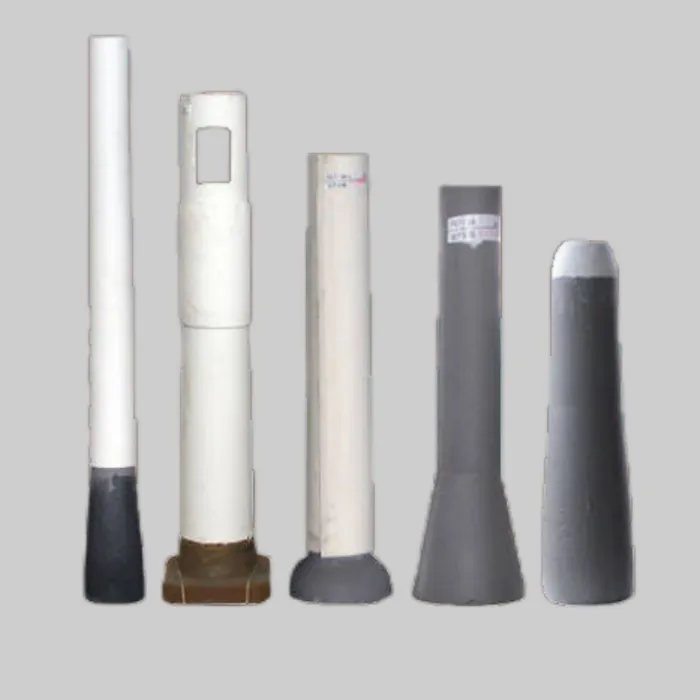
The height of a well block usually varies between 200 mm and 400 mm. The height is designed to ensure proper connection with other components in the ladle - tundish system, such as the Subentry Nozzle and the Monolithic Stopper. A proper height also helps in maintaining the stability of the molten steel flow and preventing any splashing or uneven flow patterns.
The outer diameter of a well block can be anywhere from 200 mm to 500 mm. This dimension is important for the well block's installation and stability within the ladle. A larger outer diameter provides more surface area for the well block to be securely fixed in place, reducing the risk of movement during the casting process.
Importance of Correct Well - Block Size
Using the correct size of well block is of utmost importance in the steel - making process. An undersized well block can restrict the flow of molten steel, leading to slower casting speeds, uneven filling of the tundish, and potential quality issues in the final steel product. On the other hand, an oversized well block can cause excessive flow of molten steel, which may result in splashing, increased wear on other components, and safety hazards.
Moreover, the correct well - block size ensures optimal performance of other related components in the ladle - tundish system. For example, when paired with a Sub Entry Nozzle of the appropriate size, the well block can help achieve a smooth and consistent flow of molten steel, reducing the risk of clogging and improving the overall efficiency of the continuous casting process.
Customization of Well Blocks
Given the wide range of factors influencing well - block size, many steel - making companies often require customized well blocks. As a well - block supplier, we have the expertise and capabilities to design and manufacture well blocks according to the specific needs of our customers. Whether it's a unique ladle capacity, a special type of steel, or a specific continuous casting process, we can work closely with our clients to develop well blocks that meet their exact requirements.
Conclusion
In conclusion, there is no single standard size for a well block. The size of a well block is determined by multiple factors, including ladle capacity, steel type, and continuous casting process requirements. Understanding these factors and choosing the right well - block size is crucial for the efficient and safe operation of steel - making processes.
If you're in the steel - making industry and are looking for high - quality well blocks, we'd love to hear from you. Our team of experts can provide you with detailed information and assistance in selecting the right well - block size for your specific needs. Contact us to start a discussion about your well - block requirements and let's work together to optimize your steel - making operations.
References
- "Handbook of Refractories" by various authors, which provides in - depth knowledge about refractory components like well blocks in the steel - making industry.
- Industry reports on continuous casting technology and steel - making processes, which offer insights into the practical applications and size requirements of well blocks.