

So, you're probably wondering, what on earth is the thermal conductivity of ramming mass? Well, I'm here to break it down for you in a way that's easy to understand. And as a ramming mass supplier, I've got some insider knowledge that I'm excited to share.
First off, let's talk about what ramming mass actually is. Ramming mass is a refractory material used in various industrial applications, mostly in furnaces and other high - temperature environments. It's tamped or rammed into place to form a lining, which protects the furnace walls from extreme heat, chemical reactions, and mechanical stress.
Now, thermal conductivity is a big deal when it comes to ramming mass. It refers to the ability of a material to conduct heat. In simple terms, a high thermal conductivity means the material can transfer heat quickly, while a low thermal conductivity means it's a good insulator and can prevent heat from escaping.
The thermal conductivity of ramming mass depends on a few key factors. One of the main ones is the type of raw materials used. There are different types of ramming mass available on the market, and each has its own unique thermal properties.
White Ramming Mass
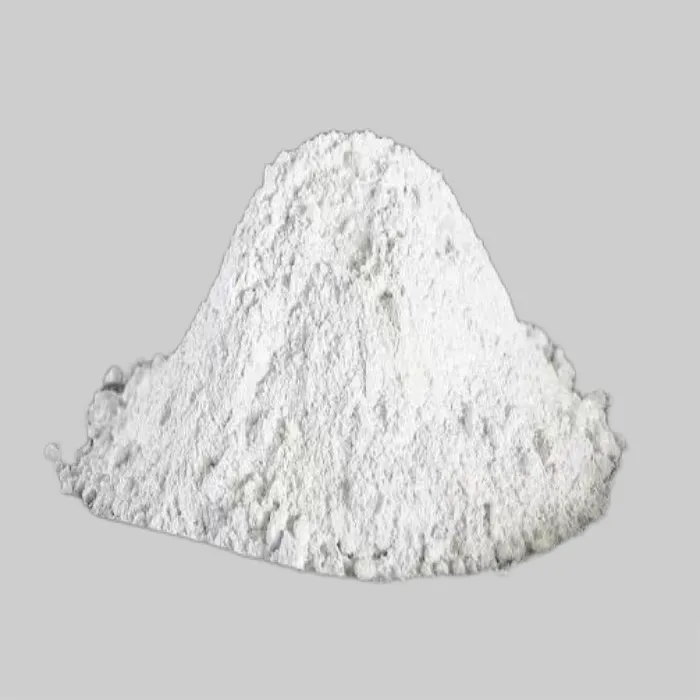
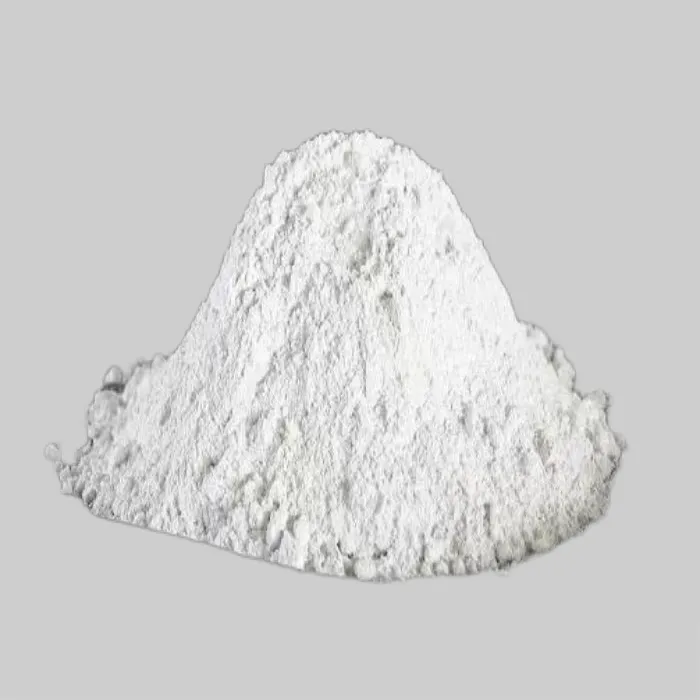
Take White Ramming Mass for example. This type of ramming mass is often made from high - purity minerals. It typically has a relatively high thermal conductivity compared to some other kinds. The reason behind this is that the minerals used in white ramming mass have a crystalline structure that allows heat to move through them more easily. In industrial settings where rapid heat transfer is required, like in some types of metal melting furnaces, white ramming mass might be the go - to choice. The high thermal conductivity helps in efficient melting processes as it allows the heat from the heat source to reach the metal quickly.
Quartz Ramming Mass
Then there's Quartz Ramming Mass. Quartz is the main ingredient in this type of ramming mass. Quartz has some interesting thermal properties. It has a moderate thermal conductivity. The silicon - oxygen bonds in quartz play a role in determining how well it conducts heat. In applications where you need a balance between heat transfer and insulation, quartz ramming mass can be very useful. For instance, in some medium - sized foundries where the goal is to maintain a stable temperature inside the furnace while still allowing some heat to be transferred to the metal, quartz ramming mass fits the bill.
Alumina Ramming Mass
Alumina Ramming Mass is another popular option. Alumina has a relatively low thermal conductivity. This makes it an excellent insulator. In situations where you want to minimize heat loss from the furnace, like in high - temperature heat treatment furnaces, alumina ramming mass is a great choice. The low thermal conductivity helps in keeping the heat inside the furnace, which not only saves energy but also ensures a more consistent temperature for the heat treatment process.
Another factor that affects the thermal conductivity of ramming mass is its density. Generally, denser ramming mass has a higher thermal conductivity. When the material is more densely packed, the atoms or molecules are closer together, which allows heat to transfer more efficiently through conduction. On the other hand, a less dense ramming mass may act as a better insulator because there are more air pockets and less direct contact between the particles for heat to travel.
The manufacturing process also plays a part. The way the ramming mass is mixed, shaped, and fired can influence its thermal conductivity. For example, if it's fired at a higher temperature and for a longer time, the crystal structure of the materials may change, which can either increase or decrease the thermal conductivity depending on the raw materials.
The moisture content of the ramming mass is yet another consideration. Moisture can hinder heat transfer because water has different thermal properties compared to the refractory materials. If the ramming mass has a high moisture content, it may act as a barrier to heat conduction until the moisture evaporates. So, proper drying of the ramming mass before use is crucial for achieving the desired thermal conductivity.
Now, why does all this matter? Well, for industries that rely on furnaces and high - temperature equipment, choosing the right ramming mass based on its thermal conductivity is essential for efficient operations. If you choose a ramming mass with the wrong thermal conductivity, it can lead to problems. For example, if you use a high - conductivity ramming mass in a furnace where insulation is needed, you'll end up losing a lot of heat, which means higher energy costs. And if you use a low - conductivity ramming mass in a situation where rapid heat transfer is required, the process will be slower and less efficient.
As a ramming mass supplier, I understand the importance of getting the thermal conductivity right for our customers. That's why we offer a range of ramming mass products, each carefully formulated to have the appropriate thermal properties for different applications. Whether you're running a small - scale foundry or a large industrial furnace operation, we've got the ramming mass that can meet your heat transfer needs.
If you're in the market for ramming mass and want to learn more about how the thermal conductivity of our products can benefit your specific application, we're here to help. We can provide you with detailed technical information, offer samples for testing, and work with you to find the best solution. Don't hesitate to reach out to us to start the conversation about your ramming mass requirements. Contact us today to discuss your project and find the ideal ramming mass for your needs.
References
- Handbook of Refractory Materials
- Industrial Furnace Design and Operation Manual
- Journal of Thermal Science and Engineering Applications