

Hey there! As a supplier of tundish shrouds, I often get asked about how to select the appropriate tundish shroud for different tundish sizes. It's a crucial question because using the right tundish shroud can significantly impact the efficiency and quality of the continuous casting process. In this blog post, I'll share some insights and tips on this topic.
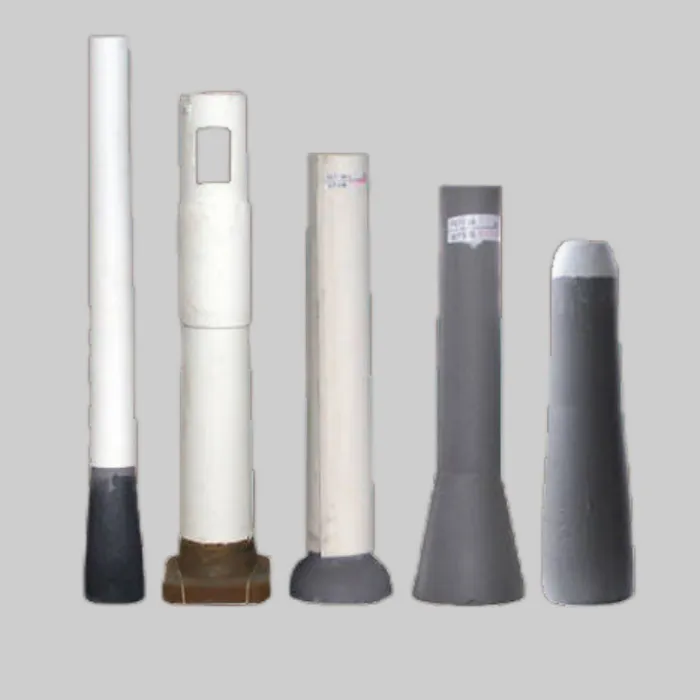
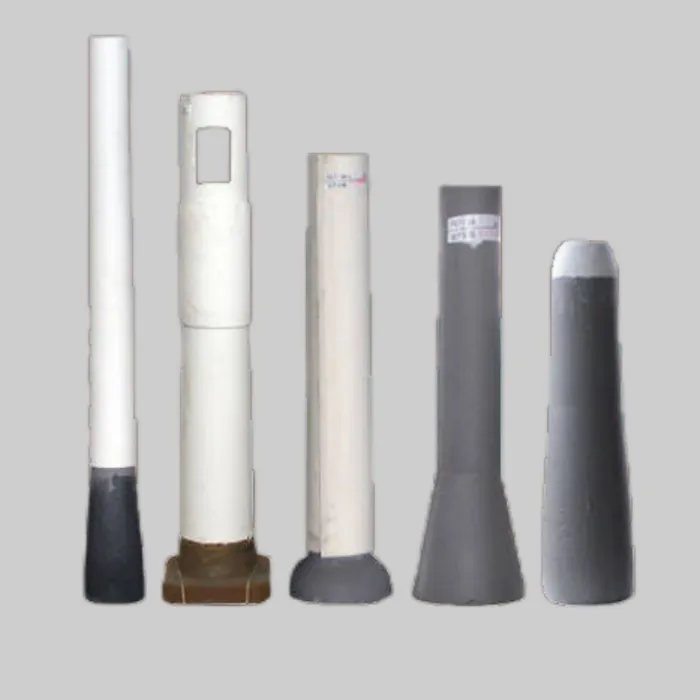
First off, let's understand what a tundish shroud is. A tundish shroud, as you can learn more about here, is a refractory tube that connects the tundish to the mold in a continuous casting machine. Its main function is to protect the molten steel from re - oxidation and prevent the entrainment of slag and other impurities during the casting process.
Factors to Consider Based on Tundish Size
Small - Sized Tundishes
Small - sized tundishes usually have a capacity of less than 10 tons. When it comes to selecting a tundish shroud for these, we need to focus on some key aspects.
Flow Rate Control: Since small tundishes have a relatively low volume of molten steel, the flow rate of the steel into the mold needs to be carefully regulated. A tundish shroud with a smaller inner diameter can be a good choice here. It helps in maintaining a steady and controlled flow of the molten steel. For example, a shroud with an inner diameter of around 50 - 70 mm might be suitable. This way, we can prevent issues like excessive splashing or uneven filling of the mold.
Length: The length of the tundish shroud for small tundishes can also be shorter compared to larger ones. A shorter shroud reduces the distance the molten steel has to travel, minimizing heat loss and the risk of blockages. A length of about 800 - 1200 mm is often sufficient for small - sized tundishes.
Material Selection: For small tundishes, we can use materials that are cost - effective while still providing good performance. Alumina - graphite composites are a popular choice. They offer good thermal shock resistance and can withstand the relatively lower thermal stresses in small - scale operations.
Medium - Sized Tundishes
Medium - sized tundishes typically have a capacity ranging from 10 to 30 tons.
Flow Rate and Inner Diameter: As the volume of molten steel increases, we need to adjust the inner diameter of the tundish shroud accordingly. A shroud with an inner diameter of 70 - 90 mm can handle the higher flow rate more effectively. This ensures that the mold is filled evenly and quickly enough to maintain the continuous casting process.
Length and Stability: The length of the shroud for medium - sized tundishes is usually in the range of 1200 - 1600 mm. This length provides a balance between heat loss and the need to reach the mold properly. Also, we need to ensure the stability of the shroud. A well - designed mounting system is essential to prevent the shroud from moving or vibrating during the casting process, which could lead to inconsistent casting quality.
Material Considerations: In medium - sized tundishes, we might need to use materials with better corrosion resistance. Zirconia - based materials can be a great option. They can withstand the more aggressive molten steel environment and have a longer service life, reducing the frequency of shroud replacements.
Large - Sized Tundishes
Large - sized tundishes have a capacity of over 30 tons.
High - Volume Flow: With a large volume of molten steel, the tundish shroud needs to be able to handle a high - flow rate. A larger inner diameter, say 90 - 120 mm, is required. This allows the molten steel to flow smoothly into the mold without causing back - pressure or other flow - related issues.
Length and Heat Management: The length of the shroud for large tundishes can be up to 2000 mm or more. This longer length is necessary to reach the mold from the large - sized tundish. However, it also means more heat loss. To counter this, we can use shrouds with better insulation properties. Some shrouds are designed with an insulating layer on the outside to reduce heat transfer to the surrounding environment.
Material Quality: For large tundishes, high - quality refractory materials are a must. Magnesia - carbon composites are often used. They have excellent thermal and chemical resistance, which is crucial when dealing with large volumes of high - temperature molten steel.
Compatibility with Other Components
Another important aspect to consider when selecting a tundish shroud for different tundish sizes is its compatibility with other components in the continuous casting system.
Sub Entry Nozzle: The tundish shroud needs to work well with the Sub Entry Nozzle or Subentry Nozzle. The connection between the shroud and the nozzle should be tight and leak - proof. A proper match in terms of dimensions and material properties is essential. For example, if the sub - entry nozzle has a certain outer diameter, the tundish shroud's inner diameter at the connection point should be designed to fit snugly.
Mold Design: The design of the mold also plays a role in shroud selection. Different molds have different requirements for the flow pattern of the molten steel. The tundish shroud should be able to deliver the steel in a way that suits the mold's design. For instance, some molds require a more laminar flow, while others can tolerate a slightly more turbulent flow.
Cost - Benefit Analysis
When choosing a tundish shroud for different tundish sizes, cost - benefit analysis is crucial.
Initial Cost: Of course, we need to consider the initial cost of the tundish shroud. Cheaper materials might seem attractive at first, but they might not offer the same performance and longevity as more expensive ones. For example, using a low - quality alumina - graphite composite in a large - sized tundish might lead to frequent replacements, which can end up being more costly in the long run.
Operating Costs: Operating costs also include factors like energy consumption. A shroud with better insulation properties can reduce heat loss, which in turn can save energy. Additionally, a shroud that requires less maintenance and has a longer service life can lower the overall operating costs.
Conclusion
Selecting the appropriate tundish shroud for different tundish sizes is a complex but important task. It involves considering factors such as flow rate, length, material selection, compatibility with other components, and cost - benefit analysis. As a tundish shroud supplier, I'm here to help you make the right choice. Whether you have a small, medium, or large - sized tundish, we can provide you with high - quality shrouds that meet your specific requirements.
If you're interested in learning more about our tundish shrouds or have any questions regarding the selection process, don't hesitate to reach out. We're more than happy to have a detailed discussion and assist you in your procurement decisions.
References
- "Continuous Casting of Steel" by B. G. Thomas
- "Refractories for the Steel Industry" by P. V. Ramana Rao