

Zirconia nozzles are widely used in various industrial applications due to their excellent high - temperature resistance, corrosion resistance, and mechanical properties. However, like any other industrial component, they can get damaged over time. As a zirconia nozzle supplier, I am here to share some insights on how to repair a damaged zirconia nozzle.
Understanding the Types of Damage
Before starting the repair process, it is crucial to understand the types of damage that a zirconia nozzle may encounter. The most common types of damage include:
- Cracking: Cracks can occur due to thermal shock, mechanical stress, or chemical corrosion. Small surface cracks may not immediately affect the performance of the nozzle but can propagate over time, leading to more severe damage.
- Erosion: Erosion happens when the nozzle is exposed to high - velocity fluid or particulate matter. This can cause the inner or outer surface of the nozzle to wear down, reducing its diameter and altering the flow characteristics.
- Chemical Attack: Zirconia nozzles are generally resistant to many chemicals, but in some harsh environments, they can be attacked by acidic or alkaline substances. Chemical attack can lead to material dissolution, discoloration, and a decrease in mechanical strength.
Inspection and Assessment
The first step in repairing a damaged zirconia nozzle is a thorough inspection. Use a magnifying glass or a microscope to examine the surface of the nozzle for cracks, erosion, or signs of chemical attack. Measure the dimensions of the nozzle, including the inner diameter, outer diameter, and length, to determine if there has been any significant change.
If possible, use non - destructive testing methods such as ultrasonic testing or X - ray inspection to detect internal cracks or defects that may not be visible on the surface. Based on the inspection results, you can assess the severity of the damage and decide whether repair is feasible.
Repair Methods
For Cracks
- Surface Crack Repair: For small surface cracks, a simple repair method is to use a high - temperature ceramic adhesive. Clean the cracked area thoroughly using a suitable solvent to remove any dirt, debris, or oxidation. Apply the ceramic adhesive to the crack according to the manufacturer's instructions. After application, allow the adhesive to cure at the recommended temperature and time. This can prevent the crack from propagating further.
- Deep Crack Repair: If the crack is deep, it may be necessary to use a more complex repair technique. One approach is to drill small holes at the ends of the crack to prevent its further propagation. Then, fill the crack with a zirconia - based ceramic filler. The filler should have similar thermal and mechanical properties to the original zirconia nozzle. After filling, sinter the repaired area at a high temperature to ensure good bonding between the filler and the base material.
For Erosion
- Surface Coating: For mildly eroded nozzles, applying a protective coating can be an effective repair method. There are various types of coatings available, such as ceramic coatings and carbide coatings. These coatings can improve the wear resistance of the nozzle surface. The coating process usually involves pre - treating the nozzle surface to ensure good adhesion, followed by applying the coating using techniques like thermal spraying or chemical vapor deposition.
- Re - machining: If the erosion is severe, re - machining the nozzle may be required. Use precision machining tools to restore the original dimensions of the nozzle. However, this method should be used with caution as zirconia is a hard and brittle material, and improper machining can cause new cracks or defects.
For Chemical Attack
- Surface Cleaning and Passivation: If the chemical attack is mild, cleaning the affected area with a suitable neutralizing agent can remove the corrosive products. Then, passivate the surface by applying a protective layer to prevent further chemical attack.
- Material Replacement: In cases where the chemical attack has caused significant material loss, it may be necessary to replace the damaged part of the nozzle. This often involves cutting out the damaged section and welding or bonding a new zirconia piece in place.
Quality Control After Repair
After the repair process is completed, it is essential to perform quality control checks to ensure the reliability of the repaired nozzle. Re - measure the dimensions of the nozzle to ensure they are within the acceptable tolerance range. Conduct a leak test to check for any possible leaks in the repaired area.
If possible, test the repaired nozzle under simulated operating conditions to verify its performance. This can include checking the flow rate, pressure drop, and temperature resistance. Only when the repaired nozzle passes all the quality control tests can it be considered ready for reuse.
Importance of Professional Repair
While some minor repairs can be carried out on - site, more complex repairs often require professional expertise. A professional repair service has the necessary equipment, knowledge, and experience to handle different types of damage effectively. They can also ensure that the repair process complies with relevant industry standards and safety regulations.
As a zirconia nozzle supplier, we not only provide high - quality zirconia nozzles but also offer professional repair services. Our team of experts has extensive experience in repairing zirconia nozzles of various sizes and applications. We use advanced repair techniques and high - quality materials to ensure the best possible repair results.
Procurement and Further Information
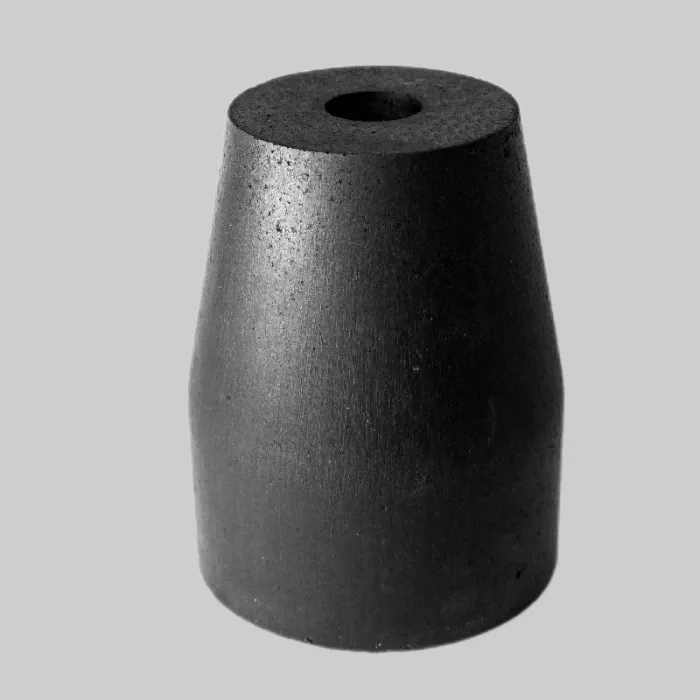
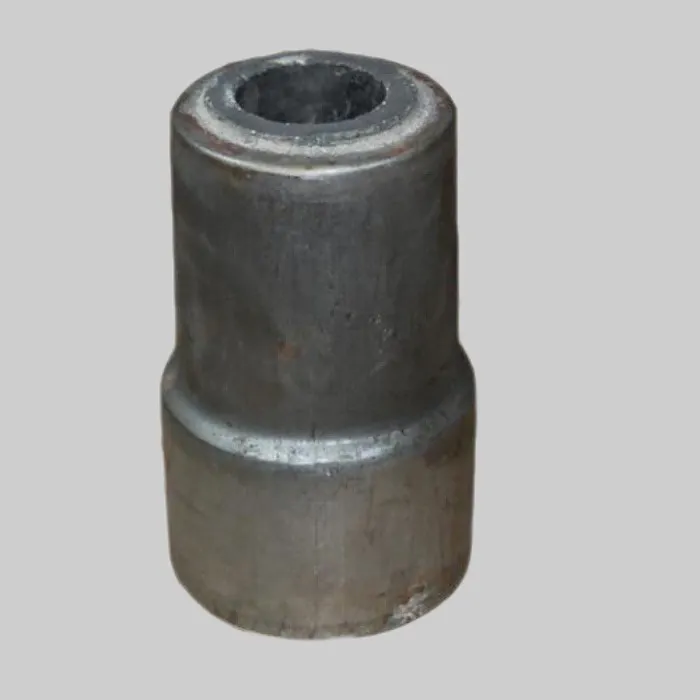
If you are experiencing problems with your zirconia nozzles and need repair services, or if you are interested in purchasing new zirconia nozzles, we are here to help. We offer a wide range of Zirconia Nozzle options to meet different industrial requirements. In addition to zirconia nozzles, we also supply Refractory Collector Nozzle and Refractory Ladle Nozzle.
Contact us today to discuss your specific needs. Our sales team is ready to assist you with procurement and answer any questions you may have about our products and repair services.
References
- K. Subramanian. "Ceramic Materials Science and Engineering", McGraw - Hill Education, 2012.
- W. D. Kingery. "Introduction to Ceramics", Wiley, 2015.
- Industry standards and guidelines related to zirconia nozzles and refractory materials.