

Hey there! As a supplier of slide gate plates, I often get asked about the thermal expansion coefficient of these essential components. So, let's dive right in and break down what this coefficient is all about.
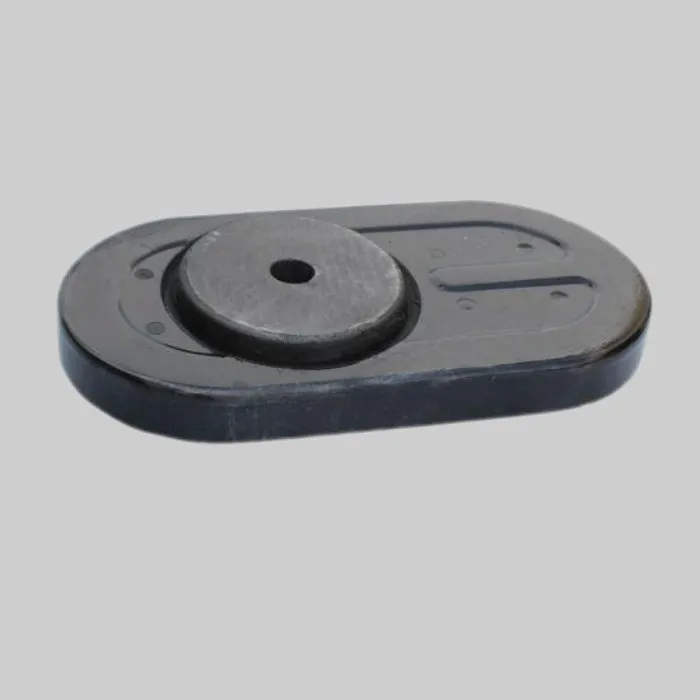
First off, what exactly is a slide gate plate? Well, it's a key part in the steel - making process. Slide gate plates are used in Ladle Slide Gate systems. These systems control the flow of molten steel from ladles, which are large containers that hold the super - hot metal. The slide gate plates are made of Slide Gate Plate Refractories, materials that can withstand extremely high temperatures.
Now, onto the thermal expansion coefficient. Simply put, it's a measure of how much a material expands or contracts when its temperature changes. When we talk about slide gate plates, this coefficient is super important. You see, during the steel - making process, these plates are exposed to some seriously high temperatures. Molten steel can be as hot as 1500 - 1600 degrees Celsius! That's hot enough to melt just about anything.
When a slide gate plate is heated up, it tries to expand. The thermal expansion coefficient tells us how much it will expand per degree of temperature increase. A high thermal expansion coefficient means the plate will expand a lot when heated, and contract a lot when it cools down. On the other hand, a low coefficient means the expansion and contraction are relatively small.
Why does this matter? Well, if a slide gate plate expands too much when it gets hot, it can cause all sorts of problems. For example, it might not fit properly in the slide gate system anymore. This could lead to leaks of molten steel, which is not only dangerous but also a huge waste of material. Also, if the plate contracts too much when it cools, it could crack. Cracks in a slide gate plate are a big no - no because they can weaken the plate and make it more likely to fail during operation.
The thermal expansion coefficient of slide gate plates depends on a few factors. One of the main factors is the type of refractory material used. Different refractory materials have different coefficients. For instance, alumina - based refractories generally have a different coefficient compared to magnesia - based ones. At our company, we use a combination of high - quality refractory materials to get the right balance. We want a material that can withstand the high temperatures but also has a reasonable thermal expansion coefficient.
Another factor is the manufacturing process. How the slide gate plates are made can affect their thermal properties. We use advanced manufacturing techniques to ensure that our plates have consistent and predictable thermal expansion characteristics. This way, our customers can rely on our products to perform well under extreme conditions.
Let's take a closer look at some common refractory materials used in slide gate plates and their thermal expansion coefficients. Alumina - carbon refractories are quite popular. They have a relatively low thermal expansion coefficient, which is great for withstanding the rapid temperature changes in the steel - making process. These materials also have good mechanical strength and resistance to corrosion from molten steel.
Magnesia - carbon refractories, on the other hand, have a slightly higher thermal expansion coefficient. But they are very resistant to basic slag, which is often present in the steel - making environment. So, depending on the specific application, different materials might be chosen.
To measure the thermal expansion coefficient of slide gate plates, we use some pretty cool technology. We have special equipment that can heat the plates up in a controlled environment and measure how much they expand. This allows us to accurately determine the coefficient for each batch of plates we produce.
We also conduct a lot of testing to make sure our slide gate plates perform well in real - world conditions. We simulate the high - temperature and high - pressure environment of a steel - making plant to see how the plates hold up. This helps us fine - tune our manufacturing process and select the best materials.
As a slide gate plate supplier, we understand the importance of getting the thermal expansion coefficient right. That's why we put so much effort into research and development. We're constantly looking for new materials and manufacturing methods to improve the performance of our products.
If you're in the market for high - quality slide gate plates, you should consider our products. We offer a wide range of Slide Gate Refractories that are designed to meet the specific needs of different steel - making processes. Our plates have been tested and proven to have the right thermal expansion coefficients to ensure reliable and safe operation.
Whether you're a small steel - making shop or a large industrial plant, we can provide you with the slide gate plates you need. We work closely with our customers to understand their requirements and offer customized solutions. So, if you're interested in learning more about our slide gate plates or want to discuss your specific needs, don't hesitate to get in touch. We're always here to help you find the best solution for your business.
In conclusion, the thermal expansion coefficient of slide gate plates is a crucial factor in their performance. It affects how well the plates can withstand the high temperatures and rapid temperature changes in the steel - making process. By choosing the right materials and manufacturing techniques, we can ensure that our slide gate plates have the optimal thermal expansion characteristics. If you're looking for reliable slide gate plates, give us a chance to show you what we can do.

References
- Steel - Making Handbook, various editions
- Refractory Materials: Properties and Applications, industry - specific publications
- Research papers on high - temperature materials and their thermal properties