

Can refractory cement be used for a crucible? That's a question I get a lot as a refractory cement supplier. And the answer isn't a simple yes or no. Let's dig into this topic and figure out if refractory cement is a good fit for crucibles.
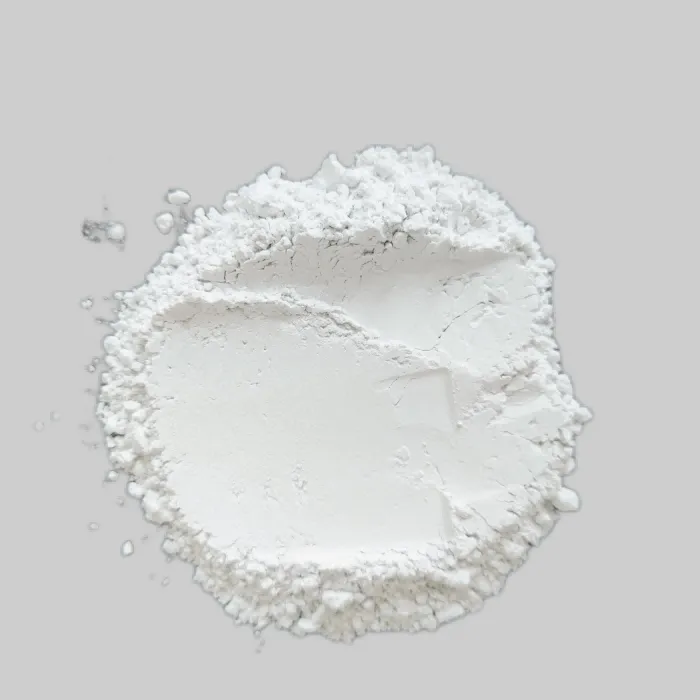
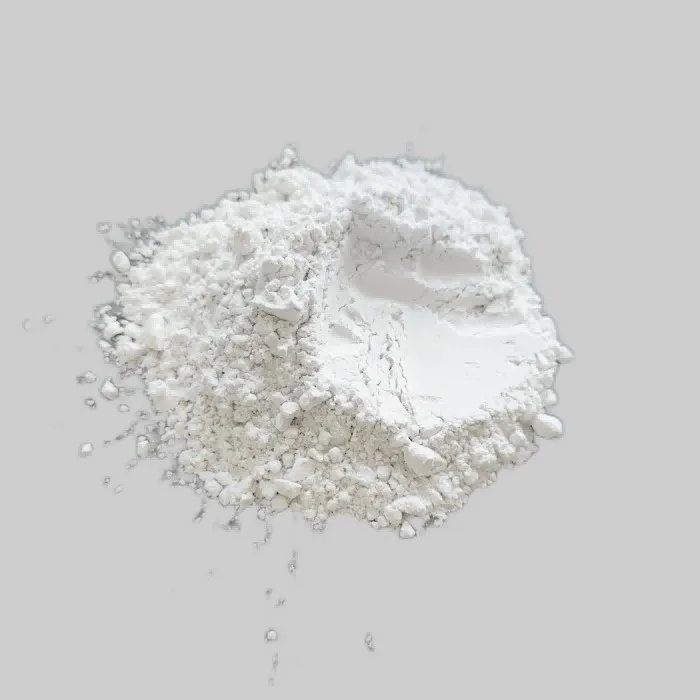
First off, what exactly is refractory cement? Well, it's a special type of cement that can handle really high temperatures without breaking down. There are different kinds, like Calcium Alumina Cement, 3000f Refractory Cement, and High Heat Refractory Cement. Each has its own unique properties and uses.
Now, let's talk about crucibles. A crucible is a container used to hold and heat materials at extremely high temperatures, often in metalworking or chemical processes. It needs to be able to withstand the heat, the chemical reactions, and the physical stress of handling molten materials.
So, can refractory cement be used to make a crucible? In some cases, yes. Refractory cement has the heat - resistant properties that are essential for a crucible. It can be shaped into the form of a crucible and fired to create a solid, heat - resistant container.
One of the big advantages of using refractory cement for a crucible is its cost - effectiveness. Compared to some of the high - end pre - made crucibles on the market, making a crucible from refractory cement can be a lot cheaper. You can source the cement, mix it up, and shape it according to your needs.
Another plus is the customizability. With refractory cement, you can make a crucible in any size or shape you want. If you have a specific project that requires a non - standard sized crucible, using refractory cement gives you the freedom to create it.
However, there are also some drawbacks. One of the main issues is the strength and durability. While refractory cement can handle high temperatures, it might not be as strong as some of the commercial crucibles made from materials like graphite or silicon carbide. Molten metals can be very heavy and exert a lot of pressure on the walls of the crucible. If the refractory cement crucible isn't made properly, it could crack or break under the weight of the molten material.
Chemical resistance is another concern. Some molten metals or chemicals can react with the refractory cement over time. This can lead to the degradation of the crucible and potentially contaminate the materials being melted. So, you need to make sure that the refractory cement you choose is chemically compatible with the materials you'll be using in the crucible.
The process of making a crucible from refractory cement also requires some skill and knowledge. You need to know how to mix the cement correctly, shape it properly, and fire it at the right temperature. If any of these steps are done wrong, the resulting crucible might not work as expected.
When considering using refractory cement for a crucible, you also have to think about the intended use. For small - scale, low - volume projects where the heat requirements aren't too extreme, a refractory cement crucible can be a great option. For example, if you're doing some home - based metal casting or small - scale chemical experiments, it can get the job done.
But for large - scale industrial applications where high - volume production and extreme heat are involved, it might be better to go with a commercial crucible. These are designed and tested to meet the strict requirements of industrial processes.
If you're still interested in using refractory cement for your crucible needs, here are some tips. First, choose the right type of refractory cement. Calcium Alumina Cement is a popular choice because it has good heat resistance and relatively good strength. 3000f Refractory Cement is another option if you need to handle very high temperatures.
Make sure to follow the manufacturer's instructions when mixing the cement. Use the right amount of water and mix it thoroughly to get a consistent texture. When shaping the crucible, take your time and make sure the walls are of even thickness. This will help prevent weak spots.
After shaping, let the crucible dry completely before firing it. Firing is a crucial step. You need to gradually increase the temperature to avoid cracking. Start at a low temperature and slowly ramp it up to the maximum firing temperature.
If you're not sure about the process or which refractory cement to choose, don't hesitate to reach out. As a refractory cement supplier, I've got the knowledge and experience to help you make the right decision. Whether you're a hobbyist looking to make your first crucible or an industrial user in need of a custom solution, I can provide you with the right products and advice.
In conclusion, refractory cement can be used for a crucible, but it has its pros and cons. It offers cost - effectiveness and customizability, but it also has limitations in terms of strength, durability, and chemical resistance. By understanding these factors and making an informed choice, you can decide if a refractory cement crucible is the right option for your project.
If you're interested in purchasing refractory cement for your crucible project or have any questions, feel free to contact me. I'm here to assist you in finding the best solution for your needs.
References
- Various industry handbooks on refractory materials
- Research papers on high - temperature materials and their applications