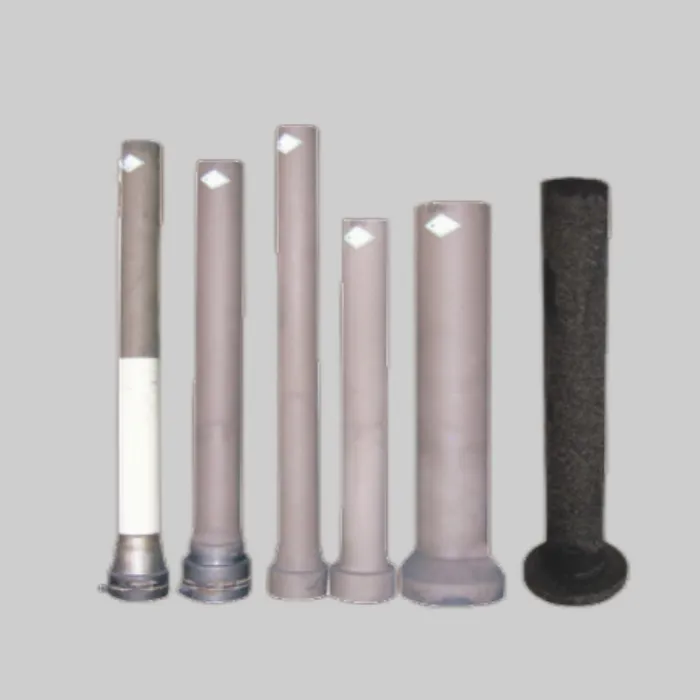
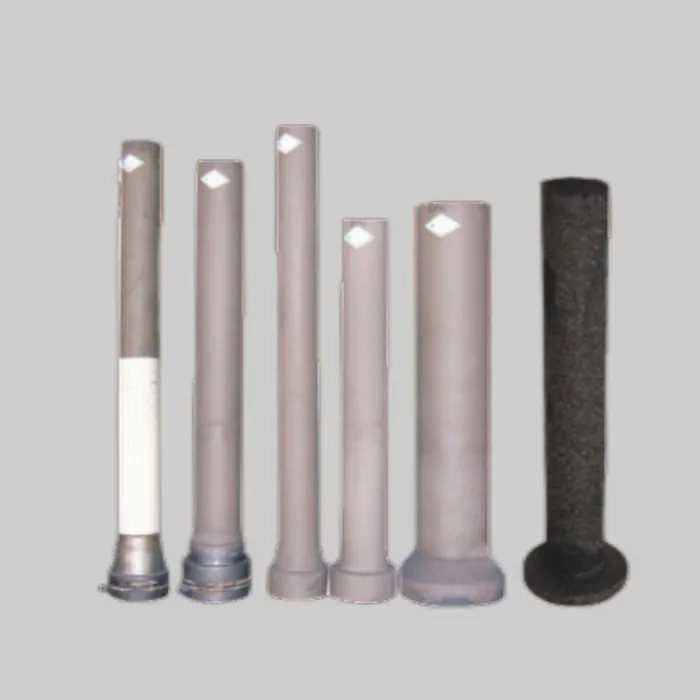
As a dedicated ladle shroud supplier, I understand the critical importance of proper transportation and storage for these essential refractory components. Ladle shrouds play a pivotal role in the continuous casting process, ensuring the smooth and efficient transfer of molten steel from the ladle to the tundish while minimizing oxidation and contamination. In this blog post, I will delve into the specific transportation and storage requirements for ladle shrouds to maintain their quality and performance.
Transportation Requirements
Packaging
The first step in ensuring the safe transportation of ladle shrouds is proper packaging. Ladle shrouds are typically made of high - quality refractory materials, which can be brittle and prone to damage if not adequately protected. We use specialized packaging materials such as thick cardboard boxes, wooden crates, or foam inserts to cushion the shrouds during transit. These packaging materials are designed to absorb shocks and vibrations, preventing cracks and chips that could compromise the functionality of the shrouds.
Loading and Unloading
During loading and unloading operations, it is crucial to handle ladle shrouds with care. Forklifts or other lifting equipment should be used with appropriate attachments to avoid direct contact with the shrouds, which could cause damage. Workers should be trained to lift and move the shrouds gently, ensuring that they are not dropped or banged against hard surfaces. Additionally, the shrouds should be loaded in a stable and secure manner to prevent them from shifting during transportation.
Mode of Transportation
The choice of transportation mode depends on various factors, including the distance, quantity, and urgency of the delivery. For short - distance deliveries, trucks are often the most convenient option. Trucks offer flexibility in terms of delivery schedules and can directly transport the shrouds to the customer's site. However, for long - distance or international shipments, sea freight or air freight may be more suitable.
When using sea freight, ladle shrouds should be stored in containers to protect them from moisture and saltwater. The containers should be properly sealed and labeled to ensure easy identification and handling. Air freight is the fastest option but is also more expensive. It is typically used for urgent orders or high - value shipments.
Temperature and Humidity Control
During transportation, it is important to control the temperature and humidity to prevent damage to the ladle shrouds. Extreme temperatures can cause the refractory materials to expand or contract, leading to cracks. High humidity can also cause the shrouds to absorb moisture, which can weaken the structure of the refractory and reduce its performance. If necessary, climate - controlled containers or transportation vehicles can be used to maintain a stable environment for the shrouds.
Storage Requirements
Storage Facility
Ladle shrouds should be stored in a dry, clean, and well - ventilated facility. A dedicated storage area should be set up to protect the shrouds from environmental factors such as rain, snow, and dust. The storage facility should be free from any sources of moisture, such as leaks or standing water, as moisture can cause the refractory materials to deteriorate over time.
Stacking and Support
Proper stacking and support are essential to prevent damage to the ladle shrouds during storage. The shrouds should be stacked in a stable manner, with each layer supported by a flat and even surface. Wooden pallets or other suitable support structures can be used to ensure that the shrouds are evenly distributed and do not bear excessive weight. It is also important to avoid stacking the shrouds too high, as this can increase the risk of toppling and damage.
Protection from Physical Damage
In addition to proper stacking, the ladle shrouds should be protected from physical damage in the storage facility. This can be achieved by using barriers or partitions to separate the shrouds from other equipment or materials. The storage area should also be free from any sharp objects or rough surfaces that could scratch or damage the shrouds.
Inventory Management
Effective inventory management is crucial for ensuring the quality of ladle shrouds during storage. A regular inspection schedule should be established to check the condition of the shrouds. Any damaged or defective shrouds should be removed from the inventory and replaced. Additionally, a first - in, first - out (FIFO) system should be implemented to ensure that the oldest shrouds are used first, reducing the risk of long - term storage degradation.
Compatibility with Other Materials
When storing ladle shrouds, it is important to consider their compatibility with other materials in the storage facility. Some chemicals or substances may react with the refractory materials of the shrouds, causing corrosion or other forms of damage. Therefore, the shrouds should be stored separately from any potentially reactive materials.
The Impact of Improper Transportation and Storage
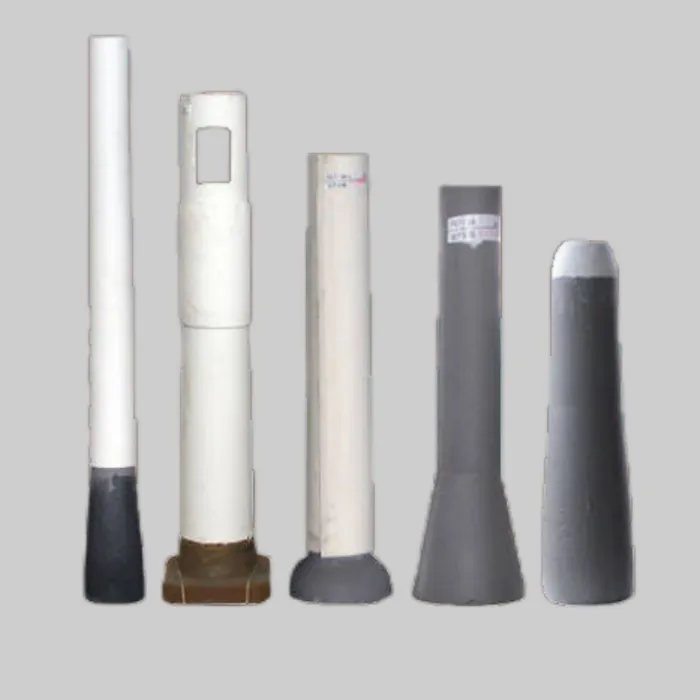
Improper transportation and storage of ladle shrouds can have significant consequences for their performance and lifespan. Cracks or chips caused by rough handling during transportation can lead to leaks or breakages during the continuous casting process, resulting in production delays and increased costs. Moisture absorption due to improper storage can weaken the refractory structure, reducing its resistance to high temperatures and molten steel, and ultimately leading to premature failure of the shrouds.
Conclusion
In conclusion, proper transportation and storage are essential for maintaining the quality and performance of ladle shrouds. As a ladle shroud supplier, we are committed to ensuring that our products are transported and stored under the best possible conditions. By following the transportation and storage requirements outlined in this blog post, we can help our customers avoid potential problems and ensure the smooth operation of their continuous casting processes.
If you are interested in purchasing high - quality ladle shrouds or need more information about our products, please feel free to contact us for procurement discussions. We look forward to working with you to meet your refractory needs.
References
- "Refractory Technology Handbook", Second Edition, by J. A. Pask and A. E. Shelef
- "Continuous Casting of Steel", edited by G. Thomas and K. G. Easterling
- Industry standards and guidelines related to refractory materials and their handling
For more information about our related products, you can click on the following links: Subentry Nozzle, Tundish Shroud, Ladle Shroud