

Alumina bricks are widely recognized in the industrial sector for their exceptional refractory properties. As a prominent alumina brick supplier, I often encounter inquiries regarding the water absorption of these bricks. In this blog post, I will delve into the concept of water absorption in alumina bricks, its significance, factors influencing it, and how it impacts the performance of these bricks in various applications.
Understanding Water Absorption in Alumina Bricks
Water absorption is defined as the amount of water that a material can absorb when immersed in water for a specified period. For alumina bricks, it is typically expressed as a percentage of the dry weight of the brick. This characteristic is crucial as it provides insights into the brick's porosity, density, and overall quality. A lower water absorption rate generally indicates a denser and more durable brick.
When an alumina brick is manufactured, the raw materials are mixed, shaped, and fired at high temperatures. During this process, the formation of pores occurs, which can vary in size and distribution. These pores can act as channels for water to penetrate the brick. Measuring the water absorption helps us evaluate the extent of these pores and their potential impact on the brick's performance.
Significance of Water Absorption
The water absorption of alumina bricks has several implications for their use in different industries.
1. Strength and Durability: Bricks with high water absorption are more susceptible to damage from freeze - thaw cycles. When water enters the pores of the brick and freezes, it expands, exerting pressure on the brick structure. Over time, this can lead to cracking and spalling, reducing the brick's strength and lifespan. On the other hand, bricks with low water absorption are more resistant to such damage, ensuring long - term durability in applications where they may be exposed to moisture and temperature variations.
2. Chemical Resistance: Water can carry various chemicals and impurities. If an alumina brick has a high water absorption rate, these chemicals can penetrate the brick and react with its components. This can cause corrosion, degradation, and a decrease in the brick's chemical resistance. Low - water - absorption bricks are less likely to be affected by chemical attack, making them suitable for use in harsh chemical environments.
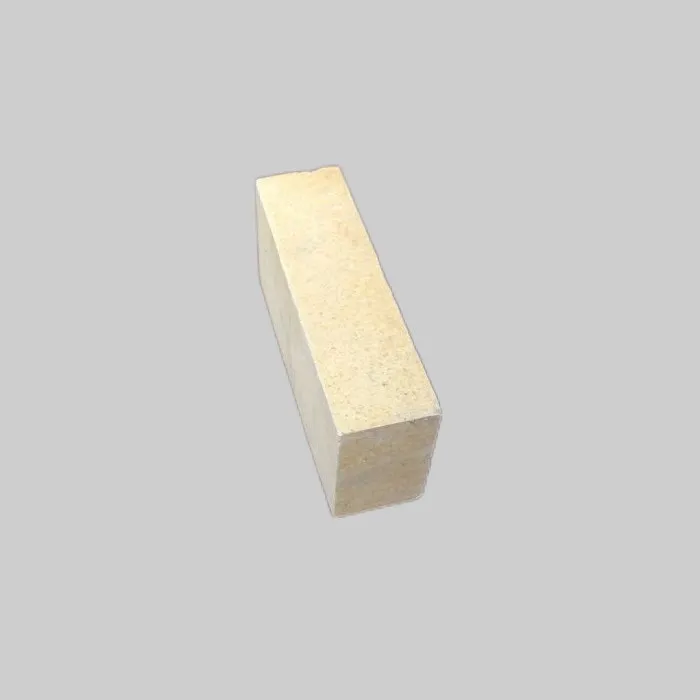
3. Thermal Insulation: The presence of water in the pores of an alumina brick can affect its thermal insulation properties. Water has a higher thermal conductivity than the brick material itself. So, a brick with high water absorption will conduct heat more readily, reducing its effectiveness as a thermal insulator. In applications where thermal insulation is critical, such as in furnaces and kilns, low - water - absorption bricks are preferred.
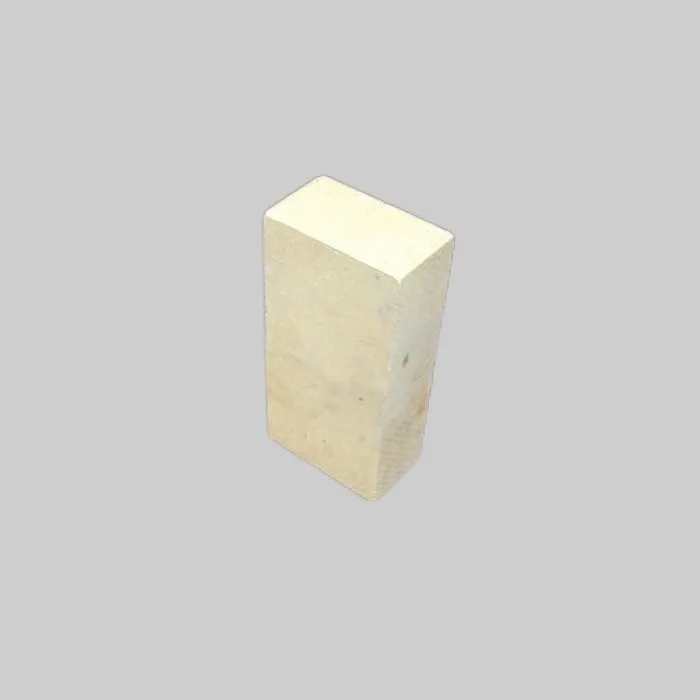
Factors Influencing Water Absorption
Several factors can influence the water absorption of alumina bricks.
1. Raw Materials: The quality and composition of the raw materials used in the manufacturing of alumina bricks play a significant role. High - purity alumina raw materials tend to produce bricks with lower porosity and, consequently, lower water absorption. Impurities in the raw materials can create additional pores during the firing process, increasing water absorption.
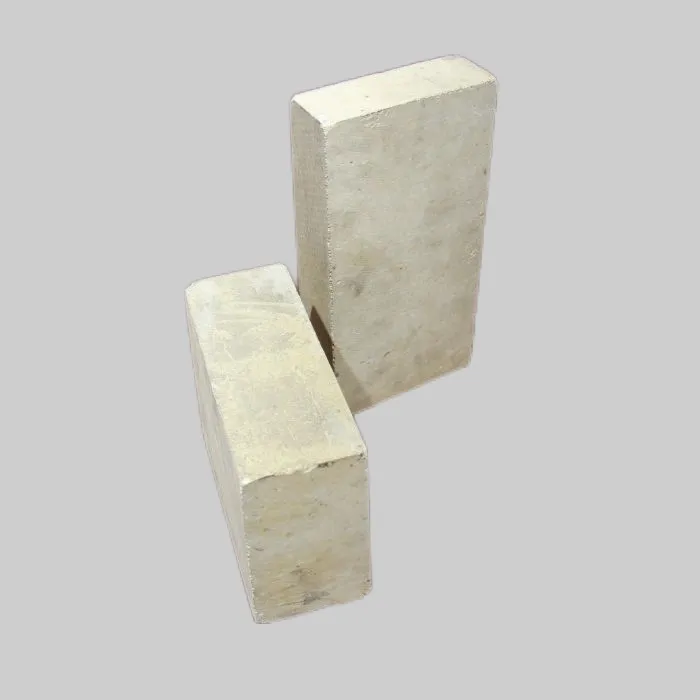
2. Manufacturing Process: The firing temperature and duration are crucial factors. Higher firing temperatures can cause the particles in the brick to sinter more effectively, reducing the pore size and volume. A longer firing time also allows for better consolidation of the brick structure, resulting in lower water absorption. Additionally, the method of shaping the bricks, such as pressing or extrusion, can affect the pore distribution and, thus, the water absorption.
3. Brick Density: Generally, denser bricks have lower water absorption. The density of an alumina brick is determined by factors such as the particle size distribution of the raw materials and the compaction during manufacturing. Bricks with a higher density have fewer and smaller pores, making it more difficult for water to penetrate.
Measuring Water Absorption
The water absorption of alumina bricks is typically measured using standardized testing methods. One common method involves weighing the dry brick, immersing it in water for a specific period (usually 24 hours), and then weighing it again after removing the surface water. The difference in weight before and after immersion is used to calculate the water absorption percentage.
[ \text{Water Absorption}(\%)=\frac{W_2 - W_1}{W_1}\times100 ]
where (W_1) is the dry weight of the brick and (W_2) is the weight of the brick after water immersion.
Impact on Different Applications
1. Industrial Furnaces: In industrial furnaces, alumina bricks are used to line the walls and floors. These bricks are exposed to high temperatures and sometimes to moisture from the combustion process. Low - water - absorption bricks are essential to prevent damage from freeze - thaw cycles and to maintain their thermal insulation properties. Our Large Firebrick is designed with a low water absorption rate, making it ideal for large - scale industrial furnace applications.
2. Fireplaces: For Refractory Brick for Fireplace, water absorption is also a critical factor. Fireplaces can experience changes in temperature and humidity. Bricks with high water absorption may crack or deteriorate over time, posing a safety hazard. Our refractory bricks for fireplaces have been engineered to have a low water absorption rate, ensuring long - term performance and safety.
3. Chemical Plants: In chemical plants, alumina bricks are used in areas where they may come into contact with various chemicals. The low water absorption of these bricks helps to prevent chemical penetration and corrosion. Our Refractory Firebrick is highly resistant to chemical attack, thanks to its low water absorption and high - quality composition.
Conclusion
As an alumina brick supplier, I understand the importance of water absorption in determining the quality and performance of our products. By carefully controlling the raw materials, manufacturing process, and brick density, we are able to produce alumina bricks with low water absorption rates, ensuring their durability, strength, and resistance to various environmental factors.
Whether you are in the industrial furnace, fireplace, or chemical plant industry, choosing the right alumina bricks with appropriate water absorption characteristics is crucial for the success of your project. If you are interested in learning more about our alumina bricks or would like to discuss your specific requirements, please feel free to contact us. We are ready to provide you with the best - suited products and professional advice for your needs.
References
- ASTM C20 - Standard Test Method for Apparent Porosity, Water Absorption, Apparent Specific Gravity, and Bulk Density of Burned Refractory Brick and Shapes by Boiling Water.
- Perry, R. H., & Green, D. W. (1997). Perry's Chemical Engineers' Handbook. McGraw - Hill.
- Smothers, J. R. (2000). Refractories Handbook. ASM International.