

Wear resistance is a crucial property when it comes to industrial components, especially in high - stress and high - temperature environments. As a zirconia nozzle supplier, I am well - versed in the significance of wear resistance in zirconia nozzles and how it impacts various industrial applications.
Understanding Wear Resistance
Wear resistance refers to the ability of a material to withstand the mechanical action of abrasion, erosion, and adhesion. In the case of zirconia nozzles, these forces are often exerted by high - velocity fluids, molten metals, or abrasive particles. When a zirconia nozzle has good wear resistance, it can maintain its shape, size, and functionality over an extended period, reducing the frequency of replacements and minimizing production downtime.
Zirconia: A Material with Exceptional Wear Resistance
Zirconia, also known as zirconium dioxide (ZrO₂), is a ceramic material that offers outstanding wear - resistant properties. This is due to its unique crystal structure and physical characteristics. Zirconia exists in different crystal phases, such as monoclinic, tetragonal, and cubic. The transformation between these phases can be harnessed to enhance the material's toughness and wear resistance.
One of the key mechanisms that contribute to zirconia's wear resistance is transformation toughening. When the material is subjected to stress, the tetragonal phase can transform into the monoclinic phase. This transformation is accompanied by a volume expansion, which creates compressive stresses around the crack tip. These compressive stresses inhibit crack propagation, making the material more resistant to wear and fracture.
Wear Resistance in Different Industrial Applications
Steelmaking Industry
In the steelmaking industry, zirconia nozzles are widely used as Tundish Nozzle and Refractory Collector Nozzle. During the continuous casting process, molten steel flows through these nozzles at high temperatures and high velocities. The wear resistance of zirconia nozzles is essential to ensure a stable and controlled flow of molten steel.
The high - temperature environment in steelmaking can cause thermal shock and chemical corrosion, in addition to mechanical wear. Zirconia's excellent thermal stability and chemical inertness make it suitable for this harsh environment. It can resist the erosion of molten steel and slag, maintaining its integrity and preventing blockages or irregularities in the flow.
Abrasive Blasting
Abrasive blasting is a process used to clean, polish, or etch surfaces by propelling abrasive particles at high speeds. Zirconia nozzles are commonly used in abrasive blasting applications due to their high wear resistance. The abrasive particles can cause significant wear on the inner surface of the nozzle, but zirconia can withstand this abrasion for a longer time compared to other materials.
The wear resistance of zirconia nozzles in abrasive blasting ensures a consistent and efficient blasting process. It helps to maintain the shape and size of the nozzle orifice, which is crucial for controlling the spray pattern and the velocity of the abrasive particles.
Chemical Processing
In the chemical processing industry, zirconia nozzles are used in various applications, such as spraying chemicals, catalysts, or slurries. These fluids may contain corrosive substances or abrasive particles, which can cause wear on the nozzle. Zirconia's chemical resistance and wear resistance make it an ideal material for these applications.
The ability of zirconia nozzles to resist wear ensures that the chemical processing equipment operates smoothly and reliably. It reduces the risk of leaks and blockages, which can lead to production disruptions and safety hazards.
Factors Affecting the Wear Resistance of Zirconia Nozzles
Material Purity and Composition
The purity and composition of zirconia can significantly affect its wear resistance. High - purity zirconia generally offers better wear - resistant properties because impurities can act as weak points in the material, promoting crack initiation and propagation.
The addition of stabilizers, such as yttria (Y₂O₃), can also improve the wear resistance of zirconia. Stabilizers help to control the phase transformation of zirconia, ensuring that the material remains in the desired phase under different operating conditions.
Manufacturing Process
The manufacturing process of zirconia nozzles can have a profound impact on their wear resistance. Processes such as hot isostatic pressing (HIP) and sintering can improve the density and uniformity of the material, which in turn enhances its wear resistance.
Precision machining is also crucial for ensuring the proper shape and surface finish of the nozzle. A smooth inner surface can reduce friction and wear, while an accurate orifice size and shape can ensure a consistent flow of fluids or particles.
Operating Conditions
The operating conditions, such as temperature, pressure, flow velocity, and the nature of the fluid or particles passing through the nozzle, can affect its wear resistance. Higher temperatures can reduce the strength and toughness of zirconia, while high - velocity flows and abrasive particles can increase the wear rate.
Proper maintenance and monitoring of the operating conditions are essential to optimize the wear resistance of zirconia nozzles. Regular inspections can detect signs of wear early, allowing for timely replacement and preventing catastrophic failures.
Testing and Evaluation of Wear Resistance
There are several methods available for testing and evaluating the wear resistance of zirconia nozzles. One common method is the pin - on - disc test, where a zirconia pin is rubbed against a rotating disc under a specified load. The wear rate is then measured by weighing the pin before and after the test.
Another method is the slurry erosion test, which simulates the wear caused by abrasive particles in a fluid. In this test, a zirconia nozzle is exposed to a slurry containing abrasive particles, and the wear is evaluated by measuring the change in mass or dimensions of the nozzle.
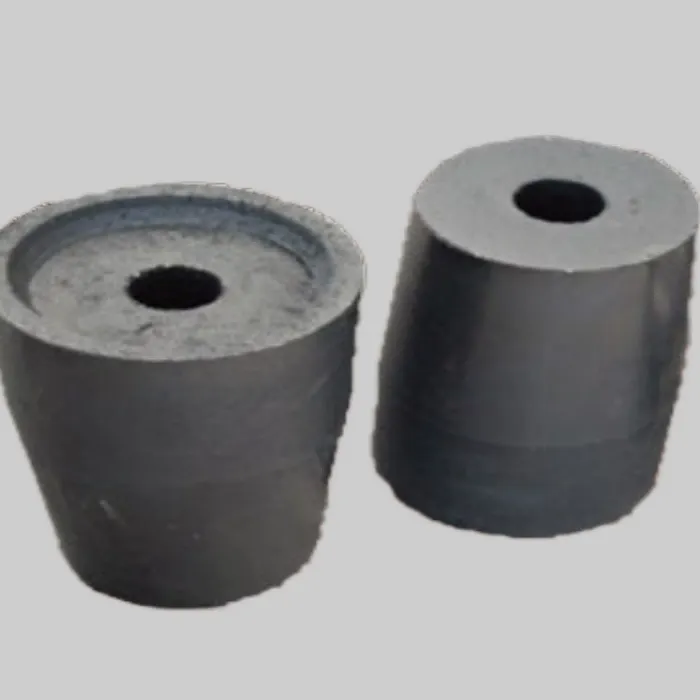
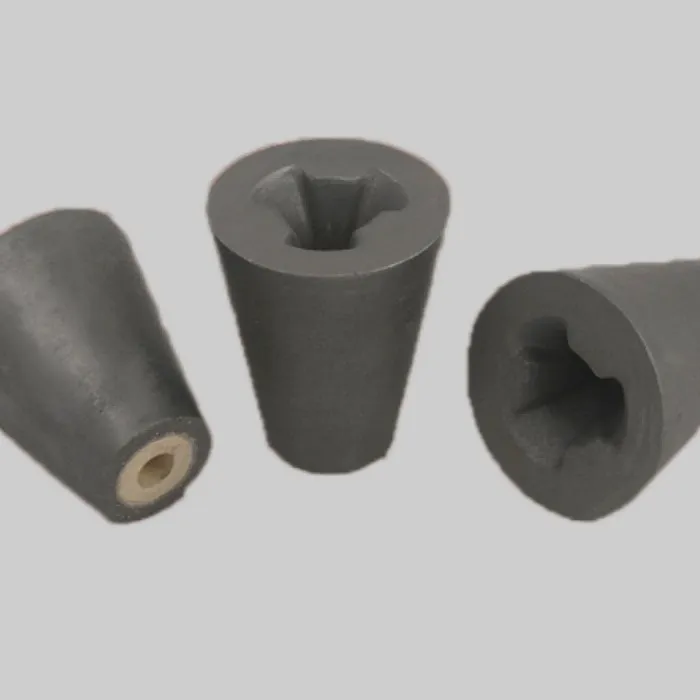
These tests provide valuable information about the wear resistance of zirconia nozzles under different conditions. They can help in the selection of the most suitable material and manufacturing process for specific applications.
Conclusion
As a zirconia nozzle supplier, I understand the importance of wear resistance in various industrial applications. Zirconia's exceptional wear - resistant properties, combined with its thermal stability and chemical inertness, make it an ideal material for high - stress and high - temperature environments.
By carefully controlling the material purity, composition, and manufacturing process, and by optimizing the operating conditions, we can ensure that our Zirconia Nozzle provide long - lasting performance and reliability.
If you are in need of high - quality zirconia nozzles for your industrial applications, I invite you to contact us for a detailed discussion. We are committed to providing the best products and services to meet your specific requirements. Whether you are in the steelmaking, abrasive blasting, or chemical processing industry, our zirconia nozzles can offer the wear resistance you need for efficient and reliable operation.
References
- R. C. Garvie, R. H. Hannink, and R. T. Pascoe, "Ceramics Transformed by Stress - Induced Martensitic Phase - Changes," Nature, vol. 258, pp. 703 - 704, 1975.
- F. F. Lange, "Transformation Toughening in Ceramics," Journal of Materials Science, vol. 15, pp. 225 - 246, 1980.
- W. D. Kingery, H. K. Bowen, and D. R. Uhlmann, Introduction to Ceramics, 2nd ed., John Wiley & Sons, 1976.