

Hey there! As a supplier of monolithic stoppers, I often get asked the question: "Are monolithic stoppers resistant to corrosion?" It's a great question, and one that I'm more than happy to dive into.
First off, let's talk a bit about what monolithic stoppers are. Monolithic stoppers are a crucial part of the continuous casting process in the steelmaking industry. They're used to control the flow of molten steel from the tundish into the mold. You can learn more about them on our Monolithic Stopper page.
Corrosion is a major concern in the steel - making process. Molten steel is extremely hot and chemically reactive. Any refractory material used in contact with it has to withstand a harsh environment. The stoppers are exposed to high temperatures, slag penetration, and chemical reactions that can eat away at the material over time.
Factors Affecting Corrosion Resistance
1. Material Composition
The materials used to make monolithic stoppers play a huge role in their corrosion resistance. Generally, these stoppers are made from high - quality refractory materials like alumina, magnesia, or zirconia. Each of these materials has its own unique properties.
Alumina is a commonly used material. It has good thermal stability and relatively high resistance to chemical attack from molten steel. Magnesia, on the other hand, is great for resisting basic slags. When the two are combined in the right proportions, they can form a monolithic stopper that offers enhanced corrosion resistance.
Zirconia is another excellent material. It has a very high melting point and is highly resistant to both chemical and thermal corrosion. By incorporating zirconia particles into the monolithic stopper, we can significantly improve its ability to withstand the harsh conditions inside the continuous casting system.
2. Manufacturing Process
How the monolithic stoppers are made also impacts their corrosion resistance. In our manufacturing process, we use advanced techniques to ensure that the materials are evenly distributed and that the stopper has a dense and uniform structure.
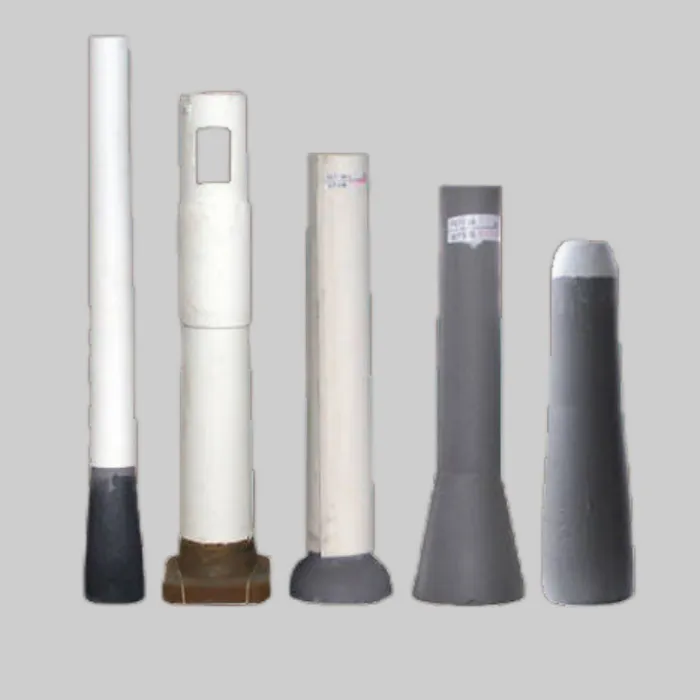
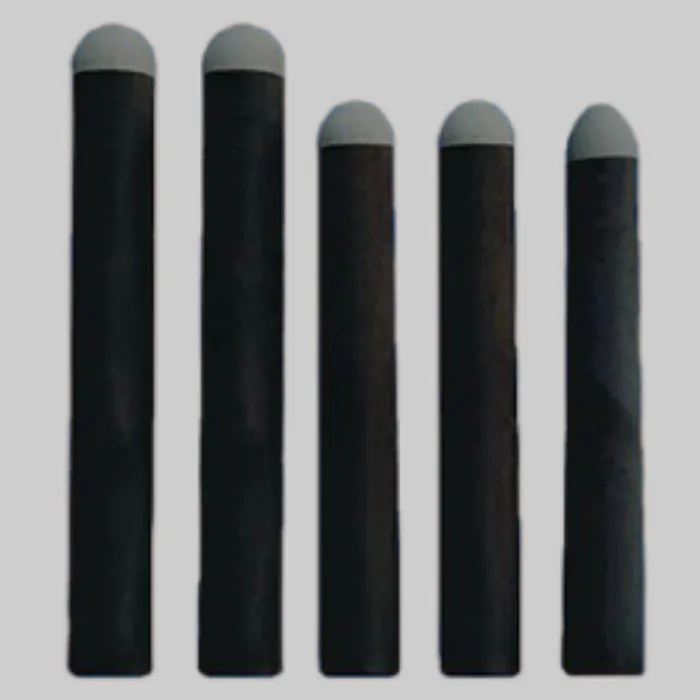
A well - made monolithic stopper has fewer pores and cracks. Pores and cracks are like entry points for molten steel and slag. Once they get inside the stopper, they can start to corrode the material from the inside out. By minimizing these defects, we can greatly enhance the stopper's resistance to corrosion.
3. Operating Conditions
The operating conditions in the steel - making process can't be ignored. Things like the temperature of the molten steel, the composition of the slag, and the length of time the stopper is in contact with the molten steel all affect its corrosion rate.
For example, if the molten steel has a high sulfur or phosphorus content, it can be more corrosive. Similarly, some slags can be particularly aggressive towards the refractory materials. We have to take these factors into account when recommending monolithic stoppers to our customers.
Our Monolithic Stoppers' Performance
We've put a lot of research and development into our monolithic stoppers. Through extensive testing and real - world applications, we've found that our products offer excellent corrosion resistance.
In many steel plants, our monolithic stoppers have been able to last longer than some of the competing products on the market. This not only reduces the frequency of stopper replacements but also helps to improve the overall efficiency of the continuous casting process.
When compared with other refractory products in the system, such as Tundish Shroud and Sub Entry Nozzle, our monolithic stoppers work in harmony to provide a more corrosion - resistant continuous casting solution.
Let's take a look at a real - life example. One of our customers, a medium - sized steel plant, was having issues with the corrosion of their previous stoppers. The stoppers were wearing out quickly, which led to frequent production stoppages for replacement. After switching to our monolithic stoppers, they noticed a significant improvement. The corrosion rate decreased, and they were able to run their continuous casting process for longer periods without interruptions. This translated into cost savings for them in terms of reduced downtime and lower replacement costs.
Maintenance and Lifespan
While our monolithic stoppers are highly resistant to corrosion, proper maintenance is still key to ensuring their long - term performance. We recommend regular inspections to check for any signs of wear or damage.
If a minor issue is detected early, it can often be addressed with simple repairs. For example, if there are small cracks on the surface, they can be patched up to prevent further corrosion.
With proper maintenance, our monolithic stoppers can have a relatively long lifespan. However, it's important to note that the actual lifespan can vary depending on the specific operating conditions. In some cases, they can last for several casting campaigns, which is a great indication of their quality and corrosion resistance.
Conclusion and Call to Action
So, to answer the question: yes, monolithic stoppers can be highly resistant to corrosion. But it depends on a variety of factors, including the material composition, manufacturing process, and operating conditions.
At our company, we're committed to providing the highest - quality monolithic stoppers with excellent corrosion resistance. If you're in the steel - making industry and are looking for a reliable monolithic stopper solution, we'd love to talk to you. Whether you're facing corrosion issues with your current stoppers or just want to improve the efficiency of your continuous casting process, we've got you covered.
Don't hesitate to reach out to us for more information or to start a procurement discussion. We're here to help you find the best monolithic stopper for your specific needs.
References
- Steel - making Handbook: Principles and Processes
- Refractory Materials in Continuous Casting: Performance and Applications
- Research Papers on Corrosion Resistance of Monolithic Stoppers in the Steel Industry