

Hey there! As a supplier of zirconia nozzles, I often get asked if these bad boys can be used in a vacuum environment. Well, let's dive right into it and find out.
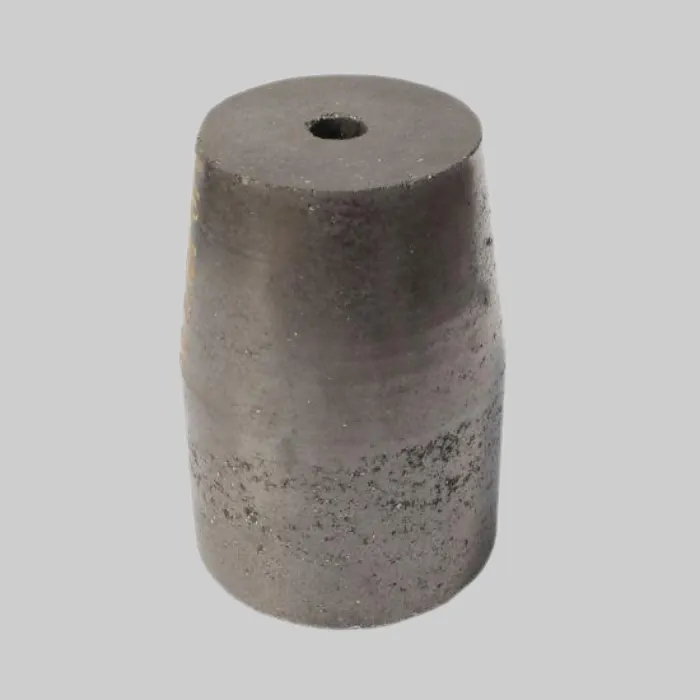
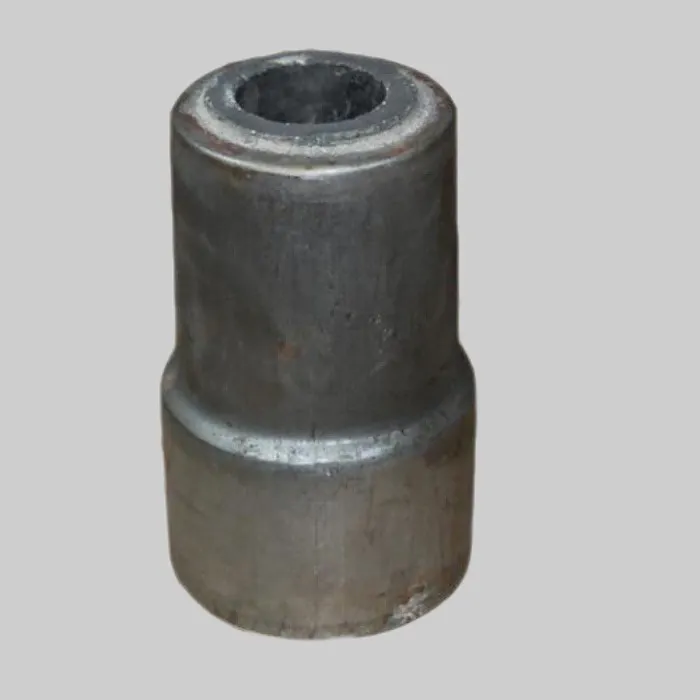
First off, let's talk a bit about zirconia nozzles. Zirconia, also known as zirconium dioxide (ZrO₂), is a super - versatile ceramic material. It's got some pretty amazing properties like high melting point, great thermal stability, and excellent wear resistance. These features make zirconia nozzles a top choice in many industrial applications. You can check out more about them here: Zirconia Nozzle.
Now, onto the big question: can zirconia nozzles be used in a vacuum environment? The short answer is yes, in most cases. But, as with anything in the scientific and industrial world, there are some factors to consider.
Physical and Chemical Stability in Vacuum
One of the key things about using any material in a vacuum is its physical and chemical stability. Zirconia is known for its high - temperature stability, which is a huge plus in a vacuum. In a vacuum, there's no air or other gases to cause oxidation or other chemical reactions that could damage the nozzle. Since zirconia has a high melting point (around 2715 °C), it can withstand the heat that might be generated in a vacuum process without melting or deforming easily.
However, at extremely high temperatures in a vacuum, there could be some sublimation of zirconia. Sublimation is when a solid turns directly into a gas without going through the liquid phase. But this usually happens at temperatures way above what most vacuum applications reach. So, for normal operating conditions in a vacuum, the physical and chemical stability of zirconia nozzles is quite reliable.
Thermal Conductivity
Thermal conductivity is another important factor. In a vacuum, heat transfer mechanisms are different compared to normal atmospheric conditions. There's no convection (since there's no air to move around), and conduction and radiation are the main ways heat is transferred. Zirconia has relatively low thermal conductivity, which can be both an advantage and a disadvantage in a vacuum environment.
On the plus side, the low thermal conductivity means that the nozzle can act as an insulator to some extent. This can be useful in processes where you want to maintain a certain temperature gradient or prevent heat from spreading too quickly. For example, in some vacuum - based metal - melting or coating processes, you might want to keep the heat concentrated in a specific area, and a zirconia nozzle can help with that.
On the other hand, if the nozzle needs to dissipate heat quickly, the low thermal conductivity could be a problem. In such cases, you might need to design the nozzle or the overall system in a way that allows for better heat dissipation, like using additional cooling mechanisms.
Mechanical Properties
The mechanical properties of zirconia nozzles also play a role in their suitability for vacuum environments. Zirconia has good strength and toughness, which means it can withstand mechanical stresses that might occur during operation. In a vacuum, there are no external pressures from the atmosphere, but there could still be internal stresses due to thermal expansion or mechanical forces from the flow of materials through the nozzle.
For instance, in a vacuum - based powder - spraying process, the powder flowing through the nozzle at high speeds can exert forces on the nozzle walls. The high strength of zirconia allows it to resist wear and erosion from this flow. And its toughness helps prevent cracking under stress, which is crucial for maintaining the integrity of the nozzle in a vacuum.
Applications in Vacuum Environments
Zirconia nozzles have found their way into several vacuum - related applications. One common application is in vacuum metallurgy. In processes like vacuum induction melting or vacuum arc remelting, zirconia nozzles are used to control the flow of molten metal. The high - temperature stability and chemical inertness of zirconia make it ideal for handling hot metals without reacting with them. You can learn more about related refractory products here: Refractory Ladle Nozzle.
Another area is in vacuum coating technologies. Whether it's physical vapor deposition (PVD) or chemical vapor deposition (CVD), zirconia nozzles can be used to introduce precursor gases or to direct the flow of coating materials. The ability of zirconia to maintain its shape and properties in a vacuum ensures a consistent and reliable coating process.
Zirconium sizing nozzles, a type of zirconia - based nozzle, are also used in some vacuum applications where precise control of the flow rate and size of the ejected material is required. You can find more details about them here: Zirconium Sizing Nozzle.
Potential Challenges and Solutions
While zirconia nozzles are generally well - suited for vacuum environments, there are a few potential challenges. One is the issue of outgassing. Outgassing is when gases trapped inside the material are released in a vacuum. This can be a problem because it can contaminate the vacuum environment and affect the quality of the process.
To address this, zirconia nozzles can be pre - treated before use in a vacuum. This might involve heating the nozzles in a vacuum furnace to drive out any trapped gases. Another solution is to use high - purity zirconia materials, as they tend to have fewer trapped gases to begin with.
Another challenge could be the brittleness of zirconia at low temperatures. In some vacuum processes where there are significant temperature variations, the nozzle might be exposed to low temperatures during startup or shutdown. To mitigate this, the nozzle design can be optimized to reduce stress concentrations, or additional reinforcement can be added.
Conclusion
In conclusion, zirconia nozzles can definitely be used in a vacuum environment. Their high - temperature stability, chemical inertness, and good mechanical properties make them a great choice for many vacuum - based processes. However, like any material, there are some factors to consider and potential challenges to address.
If you're in the market for zirconia nozzles for your vacuum application, we're here to help. We've got a wide range of zirconia nozzles with different sizes, shapes, and specifications to meet your specific needs. Whether you're in the metallurgy, coating, or any other industry that uses vacuum processes, we can provide you with high - quality zirconia nozzles. So, if you're interested in discussing your requirements or getting a quote, don't hesitate to reach out and start a procurement discussion.
References
- "Handbook of Advanced Ceramics: Materials, Applications, Processing, and Properties"
- "Ceramic Materials for High - Temperature Applications"
- Various industry research papers on zirconia and its applications in vacuum environments.