

Can a zirconia nozzle be used in water treatment plants?
As a supplier of zirconia nozzles, I often encounter inquiries from various industries about the applicability of our products. One question that has been coming up more frequently lately is whether zirconia nozzles can be used in water treatment plants. In this blog post, I'll explore this topic in depth, discussing the properties of zirconia nozzles, the requirements of water treatment plants, and the potential benefits and challenges of using zirconia nozzles in such facilities.
Properties of Zirconia Nozzles
Zirconia, also known as zirconium dioxide (ZrO₂), is a ceramic material with exceptional properties that make it suitable for a wide range of applications. Some of the key properties of zirconia include:
- High Hardness and Wear Resistance: Zirconia is extremely hard, with a Mohs hardness of around 8 - 8.5. This makes it highly resistant to wear, erosion, and abrasion, even when exposed to high - velocity fluids or particulate - laden media.
- Chemical Inertness: Zirconia is chemically stable and resistant to most acids, alkalis, and other corrosive substances. This property allows it to maintain its integrity in harsh chemical environments without undergoing significant degradation.
- High Temperature Resistance: Zirconia has a high melting point (around 2715 °C) and can withstand high temperatures without losing its mechanical properties. This makes it suitable for applications where thermal stability is required.
- Good Mechanical Strength: Zirconia nozzles possess excellent mechanical strength, which enables them to withstand high pressure and stress during operation.
Requirements of Water Treatment Plants
Water treatment plants are designed to remove contaminants from water to make it safe for consumption or industrial use. The processes involved in water treatment typically include filtration, sedimentation, disinfection, and chemical treatment. Each of these processes has specific requirements for the equipment used, including nozzles.
- Filtration: In filtration processes, nozzles are used to distribute water evenly across filter media. The nozzles need to be able to provide a uniform flow pattern to ensure efficient filtration. They also need to be resistant to clogging, as any blockage can reduce the filtration efficiency.
- Sedimentation: During sedimentation, nozzles may be used to introduce chemicals or coagulants into the water to help settle suspended particles. These nozzles should be able to accurately dispense the chemicals in the right amount and at the right location.
- Disinfection: Disinfection processes often involve the use of chemicals such as chlorine or ozone. Nozzles used in these processes need to be resistant to the corrosive effects of these disinfectants.
- Chemical Treatment: Chemical treatment processes require nozzles that can handle a variety of chemicals, including acids, alkalis, and polymers. The nozzles should be chemically inert to prevent any reaction with the chemicals being dispensed.
Potential Benefits of Using Zirconia Nozzles in Water Treatment Plants
Given the properties of zirconia nozzles and the requirements of water treatment plants, there are several potential benefits to using zirconia nozzles in these facilities:
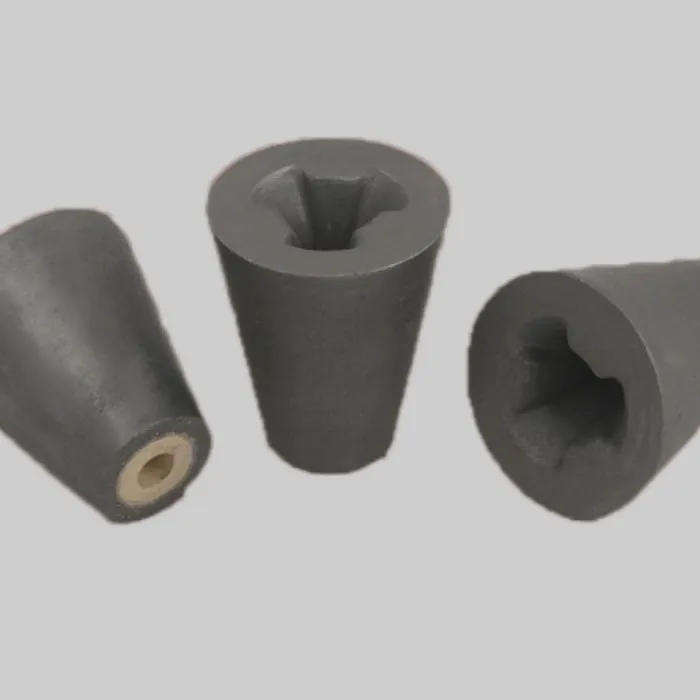
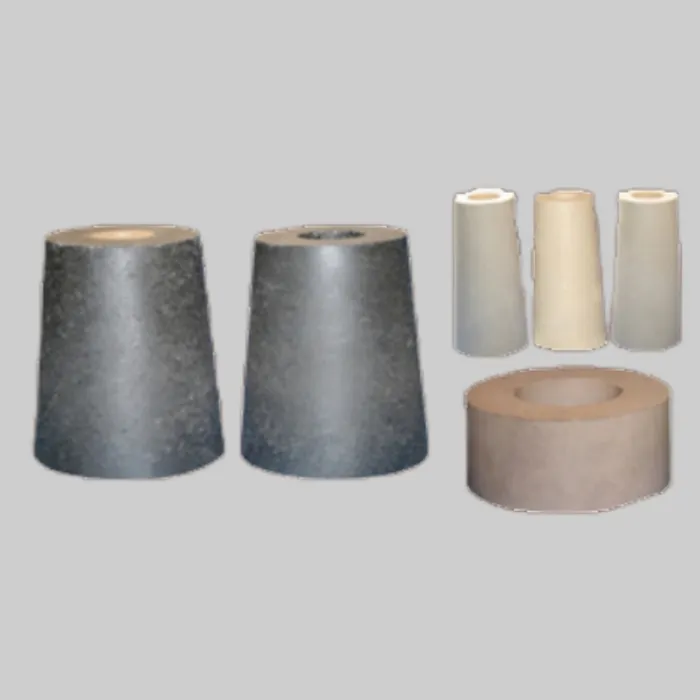
- Long - Term Durability: The high hardness and wear resistance of zirconia nozzles mean that they can withstand the abrasive effects of water and suspended particles over a long period. This reduces the need for frequent nozzle replacement, leading to lower maintenance costs and less downtime for the water treatment plant.
- Chemical Resistance: Zirconia's chemical inertness makes it an ideal material for use in water treatment processes that involve the use of corrosive chemicals. Whether it's disinfectants, acids, or alkalis, zirconia nozzles can maintain their integrity and performance without being affected by the chemicals.
- Uniform Flow Distribution: Zirconia nozzles can be precisely engineered to provide a uniform flow pattern. This is crucial for ensuring efficient filtration, sedimentation, and chemical treatment processes in water treatment plants.
- Accurate Chemical Dispensing: In chemical treatment processes, the ability to accurately dispense chemicals is essential. Zirconia nozzles can be designed to provide precise dosing, which helps in achieving the desired water treatment results.
Challenges of Using Zirconia Nozzles in Water Treatment Plants
While there are many potential benefits, there are also some challenges associated with using zirconia nozzles in water treatment plants:
- Cost: Zirconia is a relatively expensive material compared to some other materials commonly used for nozzles, such as plastic or stainless steel. The higher cost of zirconia nozzles may be a deterrent for some water treatment plants, especially those with budget constraints.
- Manufacturing Complexity: The manufacturing process of zirconia nozzles is more complex than that of other types of nozzles. This can lead to longer lead times for production and potentially higher costs.
- Brittleness: Although zirconia has good mechanical strength, it is still a ceramic material and can be brittle. Care must be taken during installation and handling to avoid any impact or stress that could cause the nozzle to crack or break.
Case Studies and Real - World Applications
There have been some successful applications of zirconia nozzles in water treatment plants. For example, in a large - scale water treatment facility that uses advanced filtration processes, zirconia nozzles were installed to distribute water across the filter media. The nozzles maintained their performance over a long period, with minimal wear and clogging. This resulted in improved filtration efficiency and reduced maintenance requirements.
In another case, a water treatment plant that uses chemical treatment processes switched to zirconia nozzles for dispensing coagulants. The chemical resistance of the zirconia nozzles ensured that there was no degradation of the nozzles, and the accurate dosing led to better sedimentation results.
Conclusion
In conclusion, zirconia nozzles have the potential to be a valuable addition to water treatment plants. Their unique properties, such as high hardness, wear resistance, chemical inertness, and high temperature resistance, make them suitable for a variety of water treatment processes. However, the higher cost, manufacturing complexity, and brittleness are factors that need to be considered.
If you are a water treatment plant operator or engineer looking for a reliable and long - lasting nozzle solution, I encourage you to consider Zirconia Nozzle. Our zirconia nozzles are carefully engineered to meet the specific requirements of water treatment applications. We also offer Refractory Ladle Nozzle and Tundish Nozzle for other industrial applications.
If you are interested in learning more about our zirconia nozzles or would like to discuss a potential purchase, please don't hesitate to get in touch. We are more than happy to provide you with detailed product information, technical support, and pricing quotes. Let's work together to find the best nozzle solution for your water treatment plant.
References
- "Ceramics in Engineering Applications" - A comprehensive book on the properties and applications of ceramic materials, including zirconia.
- "Water Treatment Plant Design" - A reference book that details the various processes and equipment used in water treatment plants.
- Industry reports on the use of advanced materials in water treatment technologies.