

Can calcined bauxite be used in the cement industry? That's a question I've been asked quite a bit lately, and as a calcined bauxite supplier, I'm more than happy to dive into this topic.
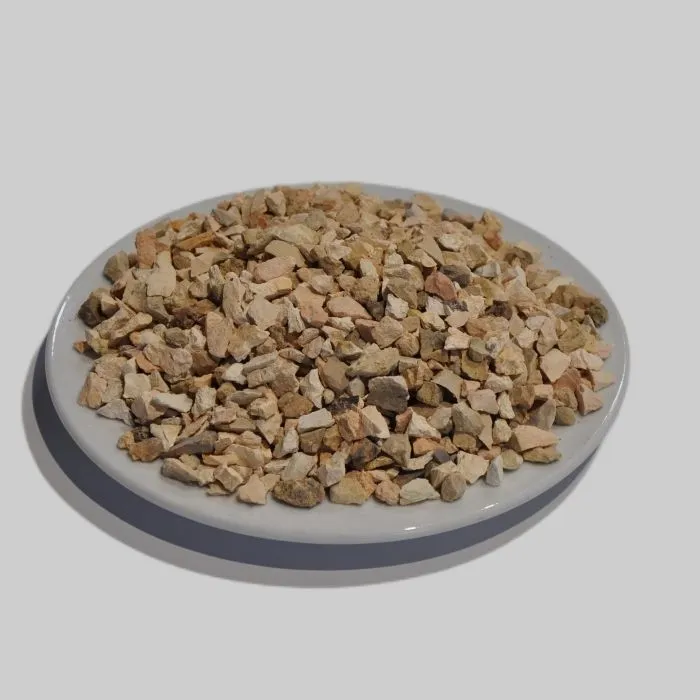
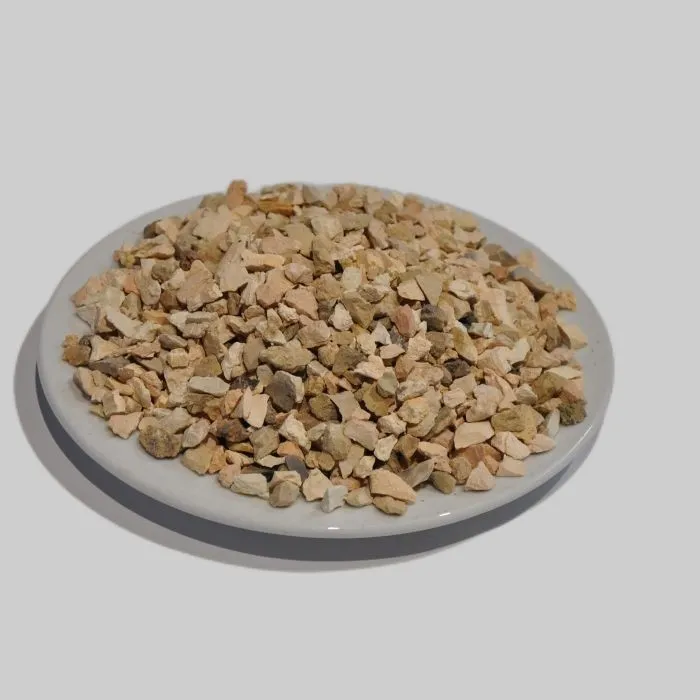
First off, let's talk a bit about what calcined bauxite is. Bauxite is a sedimentary rock that's the main source of aluminum. When we calcine bauxite, we heat it at high temperatures, usually in a rotary kiln. This process transforms the raw bauxite into a hard, dense material with some pretty unique properties. There are different types of calcined bauxite out there, like Rotary Kiln Bauxite and Rotary Kiln Calcined Bauxite, and even High Purity Calcined Bauxite. Each type has its own set of characteristics that can make it suitable for different applications.
Now, onto the big question: can it be used in the cement industry? The short answer is yes, and here's why.
Properties of Calcined Bauxite that Make it Suitable for Cement
One of the key properties of calcined bauxite is its high alumina content. Alumina, or aluminum oxide (Al₂O₃), plays a crucial role in the cement - making process. In cement, alumina reacts with calcium oxide (CaO) and other components to form calcium aluminate compounds. These compounds contribute to the early strength development of cement. When you add calcined bauxite to the cement mix, it can help the cement set faster and gain strength more rapidly in the initial stages.
Another important aspect is the hardness and abrasion resistance of calcined bauxite. Cement that contains calcined bauxite can have improved wear resistance. This is especially useful in applications where the cement surface is subject to heavy traffic, like industrial floors, roads, and runways. The calcined bauxite particles act as a reinforcement, making the cement more durable and less likely to wear down over time.
Calcined bauxite also has good chemical stability. It can withstand harsh chemical environments, which is a big plus in the cement industry. Cement structures may be exposed to various chemicals, such as acids and alkalis, depending on their location and use. The chemical stability of calcined bauxite helps the cement maintain its integrity and performance even in these challenging conditions.
Applications of Calcined Bauxite in the Cement Industry
- High - strength Cement: As mentioned earlier, the high alumina content in calcined bauxite makes it ideal for producing high - strength cement. High - strength cement is used in large - scale construction projects, such as high - rise buildings, bridges, and dams. These structures require cement that can support heavy loads and provide long - term stability. By adding calcined bauxite, cement manufacturers can enhance the strength properties of their products and meet the demanding requirements of these projects.
- Abrasion - resistant Cement: In areas where abrasion is a major concern, like industrial plants and heavy - traffic areas, abrasion - resistant cement is a must. Calcined bauxite can be incorporated into the cement mix to create a surface that can withstand the constant friction and wear. This not only extends the lifespan of the cement structure but also reduces the need for frequent repairs and maintenance.
- Specialty Cement: There are also specialty cements that can benefit from the addition of calcined bauxite. For example, refractory cement, which is used in high - temperature applications like furnaces and kilns, can use calcined bauxite to improve its heat resistance. The high melting point and thermal stability of calcined bauxite make it an excellent additive for this type of cement.
Advantages for Cement Manufacturers
From a cement manufacturer's perspective, using calcined bauxite has several advantages. Firstly, it can improve the quality of their products. By enhancing the strength, wear resistance, and chemical stability of the cement, they can offer a more superior product to their customers. This can lead to increased customer satisfaction and a better reputation in the market.
Secondly, it can be a cost - effective solution. While the initial cost of adding calcined bauxite to the cement mix may seem higher, the long - term benefits, such as reduced maintenance costs and longer product lifespan, can offset this. In the long run, it can actually save money for both the manufacturer and the end - user.
Challenges and Considerations
Of course, there are also some challenges and considerations when using calcined bauxite in the cement industry. One of the main challenges is the proper proportioning of calcined bauxite in the cement mix. If too much or too little is added, it can affect the performance of the cement. Cement manufacturers need to conduct thorough testing to determine the optimal amount of calcined bauxite for their specific products.
Another consideration is the availability and quality of calcined bauxite. As a supplier, I understand the importance of providing a consistent and high - quality product. Cement manufacturers rely on a stable supply of calcined bauxite that meets their quality standards. Any fluctuations in quality or supply can disrupt the production process and affect the quality of the final cement product.
Our Offer as a Calcined Bauxite Supplier
As a calcined bauxite supplier, I'm committed to providing the best - quality products to the cement industry. We have a wide range of calcined bauxite products, including Rotary Kiln Bauxite, Rotary Kiln Calcined Bauxite, and High Purity Calcined Bauxite. Our products are produced using advanced manufacturing processes to ensure consistent quality and performance.
We also offer technical support to our customers. We understand that using calcined bauxite in the cement industry can be a complex process, and we're here to help. Our team of experts can assist cement manufacturers in determining the right type and amount of calcined bauxite for their specific applications.
If you're a cement manufacturer looking to improve the quality of your products, enhance their performance, or explore new possibilities in the cement industry, I encourage you to get in touch. We can have a detailed discussion about your requirements and how our calcined bauxite products can meet them.
Conclusion
In conclusion, calcined bauxite definitely has a place in the cement industry. Its unique properties, such as high alumina content, hardness, abrasion resistance, and chemical stability, make it a valuable additive for cement. It can be used in various types of cement, including high - strength, abrasion - resistant, and specialty cements, to improve their performance and durability. While there are some challenges and considerations, with the right approach and a reliable supplier, cement manufacturers can reap the many benefits of using calcined bauxite.
If you're interested in learning more about our calcined bauxite products or discussing your specific needs in the cement industry, don't hesitate to reach out. Let's start a conversation and see how we can work together to take your cement products to the next level.
References
- ASTM International. Standard Specifications for Bauxite and Alumina.
- Neville, A. M. (1995). Properties of Concrete. Pearson Education.
- Mindess, S., Young, J. F., & Darwin, D. (2003). Concrete: Microstructure, Properties, and Materials. Prentice Hall.