

Hey there! As a supplier of calcined bauxite, I've seen firsthand how the particle shape of this material can have a huge impact on its performance. In this blog post, I'm gonna break down the science behind it and explain why it matters for your applications.
What is Calcined Bauxite?
First off, let's quickly go over what calcined bauxite is. It's a type of refractory material made by heating bauxite ore at high temperatures. This process removes water and other impurities, leaving behind a hard, dense material that's super resistant to heat, abrasion, and chemical attack.
Calcined bauxite is used in a wide range of industries, from steelmaking and foundries to ceramics and abrasives. It's a versatile material that can be customized to meet the specific needs of different applications, and that's where particle shape comes in.
How Particle Shape Affects Performance
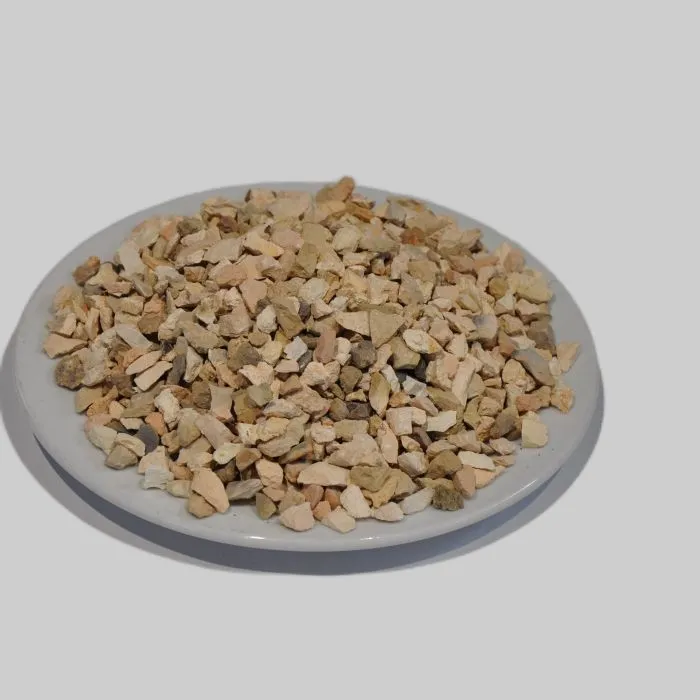
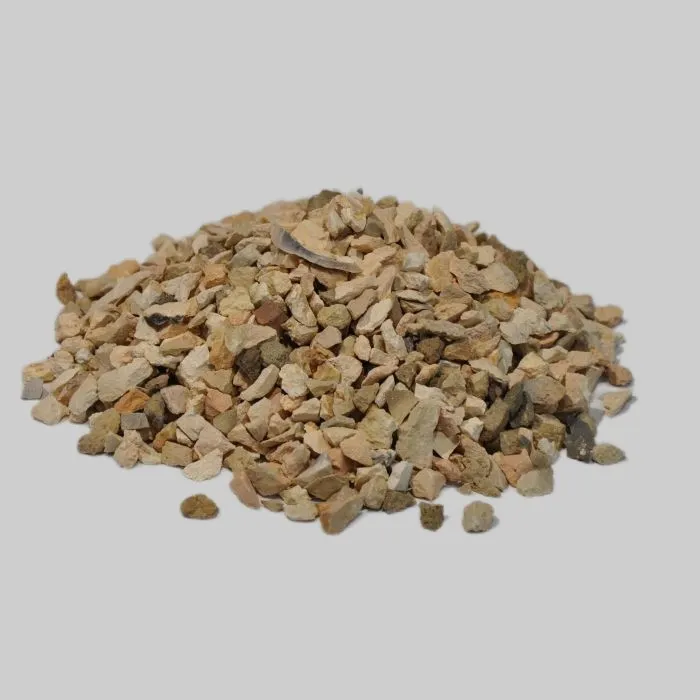
The particle shape of calcined bauxite can vary widely depending on the production process and the raw materials used. Some particles may be round, while others may be angular or irregular. And these differences in shape can have a big impact on how the material performs.
Flowability
One of the most important properties affected by particle shape is flowability. Round particles tend to flow more easily than angular or irregular particles because they have less surface area in contact with each other. This means that they can move past each other more smoothly, reducing the risk of clogging and improving the efficiency of handling and processing equipment.
For example, in a steelmaking furnace, calcined bauxite is often used as a flux to help remove impurities from the molten metal. If the particles are too angular or irregular, they may not flow evenly through the feeding system, leading to inconsistent performance and potentially causing problems with the furnace operation. On the other hand, if the particles are round, they'll flow more easily and ensure a more uniform distribution of the flux, resulting in better quality steel.
Packing Density
Another key property affected by particle shape is packing density. Angular or irregular particles tend to pack more tightly together than round particles because they can interlock with each other. This means that they can fill up more space in a given volume, resulting in a higher packing density.
In some applications, a high packing density can be beneficial. For example, in a refractory brick, a higher packing density can improve the strength and durability of the brick by reducing the amount of void space between the particles. This can make the brick more resistant to thermal shock and mechanical stress, extending its service life.
However, in other applications, a high packing density may not be desirable. For example, in a ceramic glaze, a high packing density can make the glaze more difficult to apply and may result in a less smooth finish. In this case, round particles may be preferred because they'll pack less tightly and allow for better flow and dispersion of the glaze.
Reactivity
The particle shape of calcined bauxite can also affect its reactivity. Angular or irregular particles tend to have a higher surface area than round particles because they have more edges and corners. This means that they can react more easily with other materials, making them more reactive.
In some applications, a high reactivity can be beneficial. For example, in a chemical process, calcined bauxite may be used as a catalyst to speed up a reaction. In this case, angular or irregular particles may be preferred because they'll have a higher surface area and can provide more active sites for the reaction to occur.
However, in other applications, a high reactivity may not be desirable. For example, in a refractory lining, a high reactivity can cause the material to react with the molten metal or slag, leading to corrosion and degradation of the lining. In this case, round particles may be preferred because they'll have a lower surface area and be less reactive.
Types of Calcined Bauxite and Particle Shape
There are several different types of calcined bauxite available on the market, each with its own unique particle shape and properties. Here are some of the most common types and how their particle shape affects their performance:
High Purity Calcined Bauxite
High purity calcined bauxite is made from high-quality bauxite ore that's been carefully selected and processed to remove impurities. This results in a material with a very high alumina content and excellent refractory properties.
The particle shape of high purity calcined bauxite can vary depending on the production process, but it's typically more rounded than other types of calcined bauxite. This makes it more flowable and easier to handle, making it a popular choice for applications where flowability is important, such as in steelmaking and foundries.
Rotary Kiln Bauxite
Rotary kiln bauxite is made by calcining bauxite ore in a rotary kiln at high temperatures. This process results in a material with a more angular and irregular particle shape than high purity calcined bauxite.
The angular particle shape of rotary kiln bauxite gives it a higher packing density and better interlocking properties, making it a good choice for applications where strength and durability are important, such as in refractory bricks and linings.
Rotary Kiln Calcined Bauxite
Rotary kiln calcined bauxite is similar to rotary kiln bauxite, but it's been further processed to improve its properties. This results in a material with a more consistent particle shape and better performance than rotary kiln bauxite.
The particle shape of rotary kiln calcined bauxite is typically more rounded than rotary kiln bauxite, but still more angular than high purity calcined bauxite. This makes it a good compromise between flowability and packing density, making it a popular choice for a wide range of applications.
Choosing the Right Calcined Bauxite for Your Application
So, how do you choose the right calcined bauxite for your application? The answer depends on a variety of factors, including the specific requirements of your application, the processing equipment you're using, and your budget.
Here are some tips to help you make the right choice:
- Consider the particle shape: As we've seen, the particle shape of calcined bauxite can have a big impact on its performance. Consider the specific requirements of your application and choose a type of calcined bauxite with a particle shape that's best suited for those requirements.
- Look at the properties: In addition to particle shape, there are other properties of calcined bauxite that you should consider, such as alumina content, bulk density, and reactivity. Make sure you choose a material with properties that are compatible with your application.
- Test the material: Before you make a large purchase, it's a good idea to test the calcined bauxite in your application to make sure it performs as expected. This can help you avoid costly mistakes and ensure that you're getting the best possible material for your money.
- Work with a reputable supplier: Finally, it's important to work with a reputable supplier who can provide you with high-quality calcined bauxite and excellent customer service. Look for a supplier who has experience in your industry and can offer you technical support and advice.
Contact Us for Procurement
If you're interested in purchasing calcined bauxite for your application, we'd love to hear from you. As a leading supplier of calcined bauxite, we offer a wide range of products with different particle shapes and properties to meet the specific needs of our customers.
Whether you're looking for high purity calcined bauxite, rotary kiln bauxite, or rotary kiln calcined bauxite, we can help you find the right material for your application. Contact us today to learn more about our products and to discuss your procurement needs.
References
- Smith, J. (2018). "The Effects of Particle Shape on the Properties of Calcined Bauxite." Journal of Refractories, 25(3), 123 - 130.
- Johnson, R. (2019). "Optimizing the Performance of Calcined Bauxite in Steelmaking." Steelmaking Technology, 32(2), 89 - 96.
- Brown, A. (2020). "The Role of Particle Shape in Refractory Applications." Refractory Materials, 45(4), 201 - 208.