

Can high temp bricks be used in a foundry? This is a question that many in the foundry industry often ponder. As a supplier of high temp bricks, I am well - versed in the properties and applications of these specialized bricks, and I'm excited to share my insights on their suitability for foundries.
Understanding High Temperature Bricks
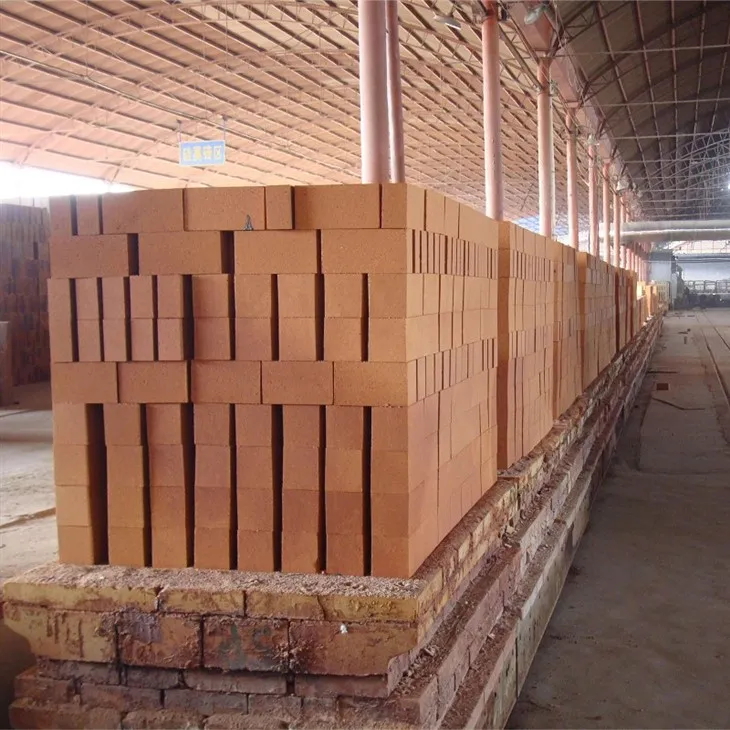
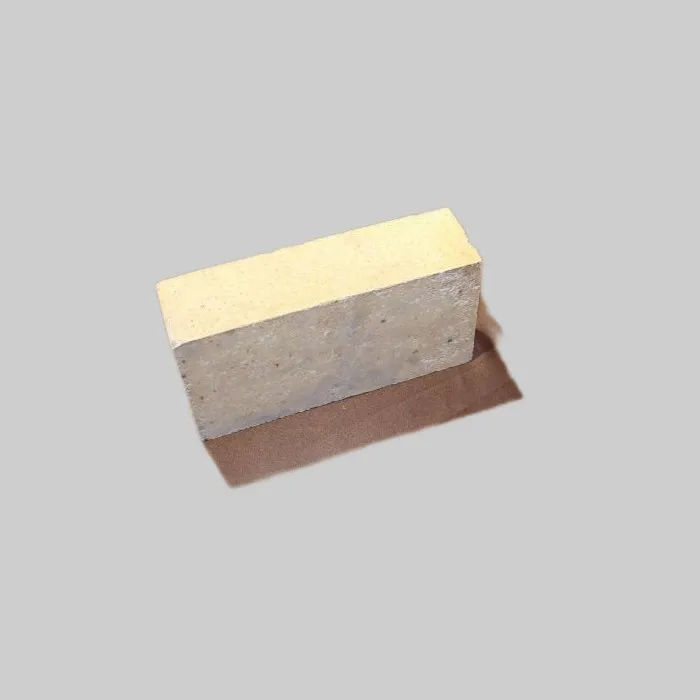
High temperature bricks, also known as refractory bricks, are engineered to withstand extremely high temperatures without losing their structural integrity. These bricks are made from materials such as alumina, silica, magnesia, and fire clay, which have high melting points and excellent thermal shock resistance. The composition of high temp bricks can vary depending on the specific application and the temperature range they need to endure.
The manufacturing process of high temp bricks is highly specialized. It involves carefully selecting raw materials, blending them in the right proportions, and then subjecting them to high - pressure molding and high - temperature firing. This process ensures that the bricks have the necessary density, strength, and thermal properties to perform well under harsh conditions.
The Requirements of a Foundry Environment
Foundries are industrial facilities where metals are melted and cast into various shapes. The environment in a foundry is extremely demanding. Temperatures can reach well over 1000°C, and the bricks used in a foundry must be able to withstand these high temperatures without cracking, melting, or deforming.
In addition to high temperatures, foundry bricks are also exposed to molten metals, slag, and various chemical agents. Molten metals can erode the surface of the bricks, and slag can react with the brick material, causing chemical corrosion. Therefore, the bricks need to have good resistance to both physical erosion and chemical attack.
Suitability of High Temp Bricks for Foundries
High temp bricks are an excellent choice for foundries for several reasons. First and foremost, their high melting point allows them to maintain their shape and structure even at the extreme temperatures found in a foundry. For example, alumina - based high temp bricks can withstand temperatures up to 1800°C, which is well above the melting point of most common metals.
Secondly, high temp bricks have good thermal shock resistance. In a foundry, the temperature can change rapidly as molten metal is poured in and cooled. Bricks with poor thermal shock resistance can crack or break under these conditions, but high temp bricks are designed to handle these temperature fluctuations without damage.
Another important factor is their resistance to chemical attack. The materials used in high temp bricks are chemically stable and can resist the corrosive effects of molten metals and slag. For instance, magnesia - based bricks are particularly effective at resisting the corrosion caused by basic slag.
Types of High Temp Bricks for Foundries
There are several types of high temp bricks that are commonly used in foundries.
Fire Clay Block: Fire clay blocks are made from fire clay, a type of clay that has high refractory properties. These blocks are relatively inexpensive and have good thermal insulation properties. They are often used in the less critical areas of a foundry, such as the outer lining of furnaces. You can find more information about Fire Clay Block.
Refractory Brick for Fireplace: Although the name suggests use in fireplaces, these bricks are also suitable for foundries. They are made from high - quality refractory materials and have excellent heat - retaining properties. They can withstand high temperatures and are resistant to thermal shock. You can learn more about Refractory Brick for Fireplace.
Fire Bricks with Holes: Fire bricks with holes are designed to improve heat transfer and reduce the weight of the brick structure. These bricks are often used in areas where ventilation or heat dissipation is required. You can explore more options of Fire Bricks with Holes.
Installation and Maintenance of High Temp Bricks in Foundries
Proper installation of high temp bricks is crucial for their performance in a foundry. The bricks should be installed by experienced professionals who understand the specific requirements of the foundry environment. The joints between the bricks need to be properly sealed to prevent the leakage of molten metal and gases.
Regular maintenance is also essential. Inspections should be carried out regularly to check for signs of wear, cracking, or corrosion. Damaged bricks should be replaced promptly to prevent further damage to the furnace lining.
Cost - effectiveness of Using High Temp Bricks in Foundries
While high temp bricks may have a higher upfront cost compared to some other types of bricks, they offer long - term cost savings. Their durability and resistance to high temperatures and chemical attack mean that they need to be replaced less frequently. This reduces the downtime of the foundry for maintenance and replacement, which can result in significant cost savings in the long run.
Conclusion
In conclusion, high temp bricks are highly suitable for use in foundries. Their ability to withstand high temperatures, thermal shock, and chemical attack makes them an ideal choice for the harsh environment of a foundry. Whether you need Fire Clay Block, Refractory Brick for Fireplace, or Fire Bricks with Holes, we have a wide range of high - quality options to meet your specific needs.
If you are in the foundry industry and are looking for reliable high temp bricks, I encourage you to contact us for a detailed discussion about your requirements. We can provide you with the right products and technical support to ensure the smooth operation of your foundry.
References
- Schneider, H., & Singh, D. P. (2004). High - Temperature Technology and Refractories. Springer.
- Reed, J. S. (1995). Principles of Ceramic Processing. Wiley.