

Hey there! I'm a supplier of refractory nozzles, and today I want to dig into a question that's been on my mind and probably yours too: Can refractory nozzles be recycled?
First off, let's talk about what refractory nozzles are. These bad boys are super important in the metal - casting industry. They're used to control the flow of molten metal, ensuring that the casting process goes smoothly. There are different types, like the Zirconia Nozzle, which is known for its high - temperature resistance and chemical stability. Then we have the Tundish Nozzle, used in tundishes to transfer molten metal from ladles to molds. And the Refractory Collector Nozzle, which helps in collecting and directing the flow of molten metal.
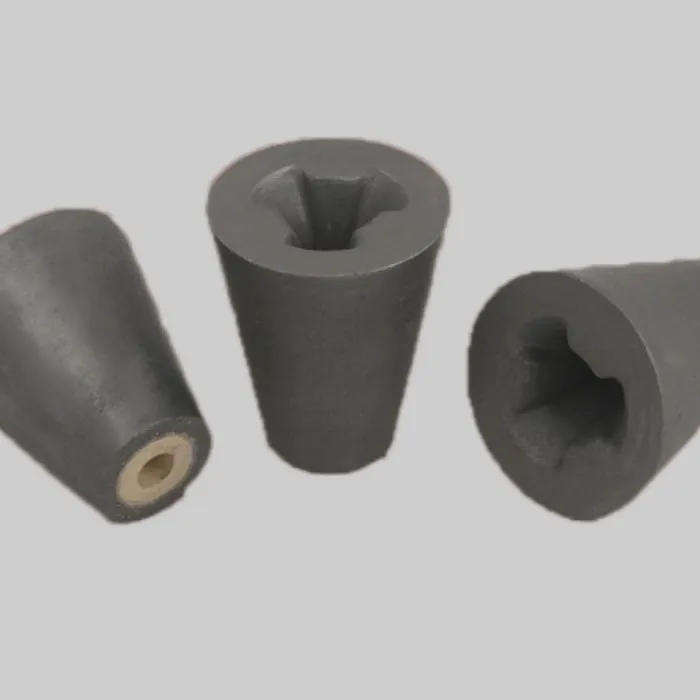
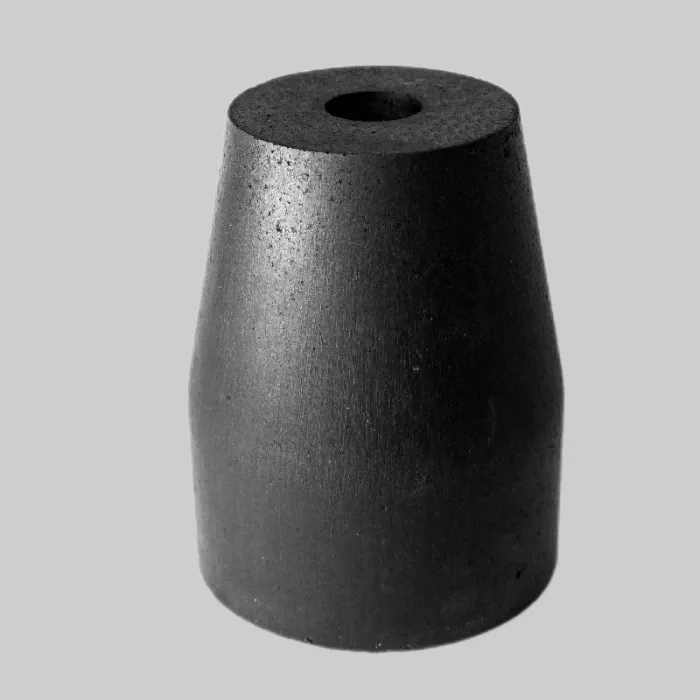
Now, back to the main question: recycling. Recycling refractory nozzles is a bit of a tricky business. You see, these nozzles go through some extreme conditions. They're exposed to incredibly high temperatures, sometimes reaching over 1500 degrees Celsius, and they're in contact with highly reactive molten metals. This takes a toll on their structure and properties.
The materials used in refractory nozzles are typically ceramics, oxides, and other high - performance materials. These materials are tough and durable, but once they've been used in the casting process, they can be contaminated. For example, they might absorb impurities from the molten metal, like sulfur, phosphorus, and other trace elements. This contamination makes it difficult to simply reuse them as they are.
However, that doesn't mean recycling is impossible. There are actually a few ways to approach the recycling of refractory nozzles. One method is mechanical recycling. In this process, the used nozzles are crushed into small particles. These particles can then be used as aggregates in the production of new refractory products. The advantage of this method is that it reduces the amount of raw materials needed for new nozzles. Instead of mining and processing new ceramics and oxides, we can make use of the existing materials.
Another approach is chemical recycling. This involves treating the used nozzles with chemicals to remove the contaminants and restore the original properties of the materials. For instance, acid leaching can be used to dissolve the impurities, leaving behind the pure refractory materials. But this method has its challenges. It requires careful handling of the chemicals, and there are environmental concerns associated with the disposal of the waste chemicals.
There are also some companies that are exploring the use of advanced technologies, like high - temperature heat treatment. By subjecting the used nozzles to high temperatures in a controlled environment, they can remove the volatile impurities and restore the structural integrity of the materials. This method shows promise, but it's still in the experimental stage and requires a significant investment in equipment and energy.
Now, let's talk about the economic and environmental aspects of recycling refractory nozzles. From an economic perspective, recycling can save costs. As I mentioned earlier, using recycled materials as aggregates can reduce the need for new raw materials. This means lower production costs for new refractory nozzles. Additionally, recycling can also help in reducing waste disposal costs. Instead of sending the used nozzles to landfills, we can find a new use for them.
On the environmental front, recycling is a no - brainer. The production of refractory nozzles consumes a large amount of energy and resources. By recycling, we can reduce the energy consumption and the environmental impact associated with mining and processing new materials. It also helps in reducing the amount of waste going to landfills, which is better for the planet.
But despite the potential benefits, there are some barriers to widespread recycling of refractory nozzles. One of the main challenges is the lack of a well - established recycling infrastructure. There aren't many facilities that are equipped to handle the recycling of these specialized products. Another issue is the variability in the composition of used nozzles. Since different casting processes use different types of molten metals and operating conditions, the used nozzles can have different levels of contamination and degradation. This makes it difficult to develop a one - size - fits - all recycling process.
As a supplier of refractory nozzles, I'm really interested in promoting recycling. I believe that it's not only good for the environment but also for the long - term viability of our industry. That's why I'm constantly looking for ways to improve the recycling process and make it more efficient.
If you're in the market for refractory nozzles, whether it's the Zirconia Nozzle, Tundish Nozzle, or Refractory Collector Nozzle, I'd love to have a chat with you. We can discuss your specific needs and how we can work together to find the best solutions. Whether it's using recycled materials in our products or finding more sustainable ways to manufacture our nozzles, I'm committed to providing high - quality products while also being environmentally responsible.
So, if you're interested in learning more or starting a procurement conversation, don't hesitate to reach out. Let's work together to make the refractory nozzle industry more sustainable and efficient.
References
- Smith, J. (2020). "Advances in Refractory Materials Recycling". Journal of Industrial Materials, 15(2), 45 - 56.
- Johnson, A. (2021). "The Future of Refractory Nozzle Recycling". Metal Casting Review, 22(3), 78 - 85.
- Brown, R. (2019). "Environmental Impact of Refractory Nozzle Production and Recycling". Environmental Science Journal, 12(4), 112 - 120.