

Hey there! As a supplier of castable fire bricks, I've seen firsthand how moisture can have a huge impact on these bricks. In this blog post, I'm gonna break down exactly how moisture affects castable fire bricks and why it's super important to keep an eye on it.
Understanding Castable Fire Bricks
First off, let's talk a bit about castable fire bricks. These bad boys are used in a whole bunch of high - temperature applications, like in furnaces, kilns, and incinerators. They're made by mixing refractory aggregates, binders, and sometimes additives. The mixture can be poured or cast into different shapes, which makes them really versatile.
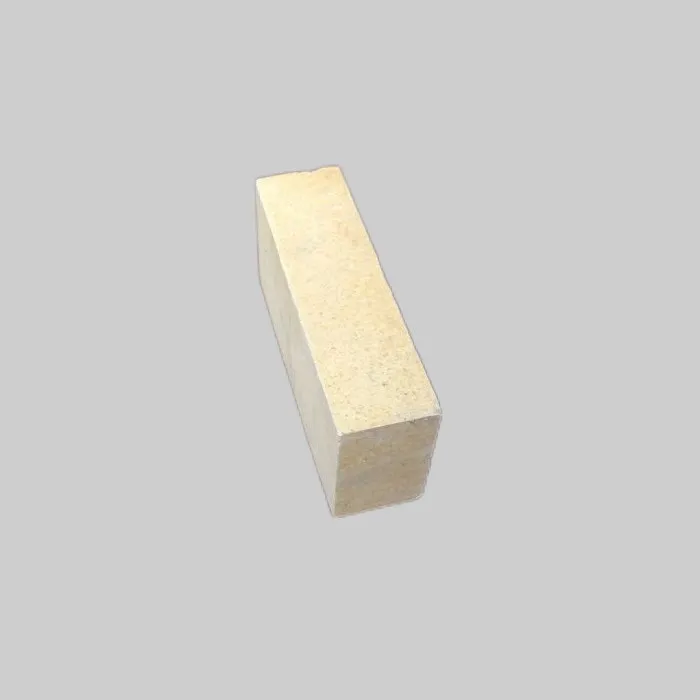
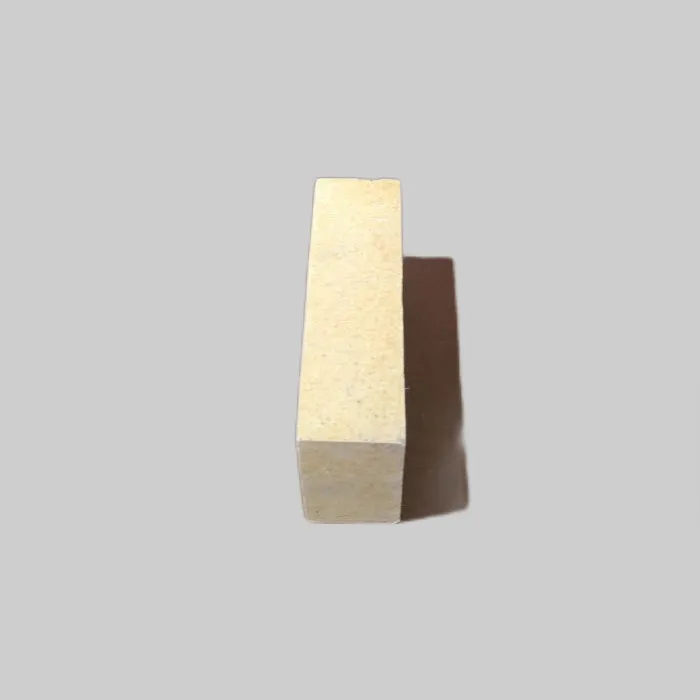
We offer a range of great products, like High Alumina Silica Brick, 9 X 4.5 X 1.25 Firebrick, and High Heat Resistant Bricks. Each of these has unique properties that make them suitable for different high - heat situations.
How Moisture Gets In
Moisture can find its way into castable fire bricks in several ways. One common way is during storage. If the bricks are stored in a damp area, like a basement with poor ventilation or an outdoor storage yard that gets a lot of rain, moisture can seep into the bricks.
Another way is during the installation process. If the mixing water isn't properly controlled or if the environment where the bricks are being installed is humid, extra moisture can end up in the bricks. And sometimes, in industrial settings, steam or water vapor from the processes can also contribute to the moisture content of the bricks.
The Effects of Moisture on Castable Fire Bricks
Structural Integrity
One of the biggest issues with moisture in castable fire bricks is its impact on the structural integrity. When the bricks are heated, the moisture inside turns into steam. As the steam tries to escape, it creates pressure within the brick. If there's too much moisture, this pressure can be so high that it causes the brick to crack or even explode.
Imagine you're baking a cake. If you add too much water to the batter, when it goes in the oven, the excess water turns to steam and can make the cake fall apart or have big holes in it. It's kind of the same with castable fire bricks. The cracks and damage from the steam pressure can weaken the overall structure of the lining in a furnace or kiln, which can lead to costly repairs and downtime.
Thermal Conductivity
Moisture also affects the thermal conductivity of the bricks. Castable fire bricks are designed to insulate and resist heat transfer. But when there's moisture in the bricks, it changes the way heat moves through them. Water has a different heat - transfer property compared to the dry components of the brick.
In simple terms, a wet brick doesn't insulate as well as a dry one. This means that more heat can escape from the furnace or kiln, which not only wastes energy but also makes it harder to maintain the desired temperature inside the equipment. You end up having to use more fuel to keep things hot, which is bad for your bottom line.
Chemical Reactions
Moisture can trigger chemical reactions within the brick. Some of the binders and additives in castable fire bricks can react with water. These reactions can change the composition of the brick over time. For example, certain binders might break down or form new compounds that are less effective at holding the brick together.
These chemical changes can also affect the corrosion resistance of the bricks. In industrial environments, there are often corrosive substances present. A brick that has been chemically altered due to moisture may be more susceptible to corrosion, which shortens its lifespan and reduces its performance.
Controlling Moisture
So, how do we deal with this moisture problem? Well, the first step is proper storage. We always recommend storing castable fire bricks in a dry, well - ventilated area. If possible, cover them with a waterproof tarp to protect them from rain and humidity.
During the installation process, it's crucial to control the amount of mixing water. Follow the manufacturer's instructions carefully. Also, try to install the bricks in a dry environment. If it's a humid day, you might need to use dehumidifiers or heaters to reduce the moisture in the air.
After installation, a proper drying process is essential. This involves slowly heating the bricks to drive out the moisture in a controlled way. This way, you can avoid the sudden steam - pressure build - up that causes cracking.
Importance of Quality Bricks
At our company, we take moisture control seriously. We make sure that our castable fire bricks are manufactured with high - quality materials and processes that minimize the risk of moisture - related issues. We test our products rigorously to ensure they meet the highest standards.
When you're in the market for castable fire bricks, it's important to choose a reliable supplier. A good supplier will not only provide you with quality products but also offer advice on how to handle and install them to avoid moisture problems.
Conclusion
Moisture can have a significant impact on castable fire bricks. It can damage the structural integrity, affect thermal conductivity, and trigger chemical reactions. But with proper storage, installation, and drying procedures, you can minimize these risks.
If you're in need of high - quality castable fire bricks, whether it's High Alumina Silica Brick, 9 X 4.5 X 1.25 Firebrick, or High Heat Resistant Bricks, we're here to help. Contact us to discuss your specific needs and let's work together to find the best solution for your high - temperature applications.
References
- "Refractory Materials Handbook"
- Industry research on castable fire bricks and moisture effects