

Do Well Blocks Require Maintenance?
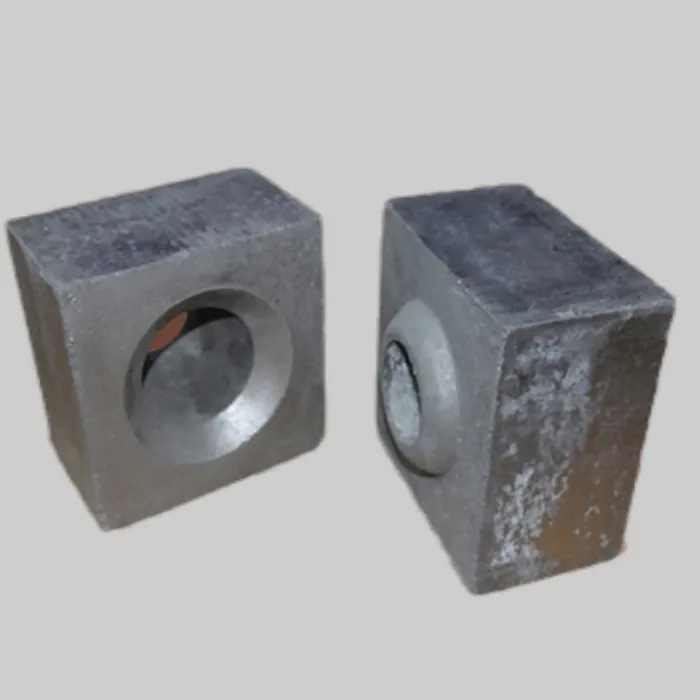
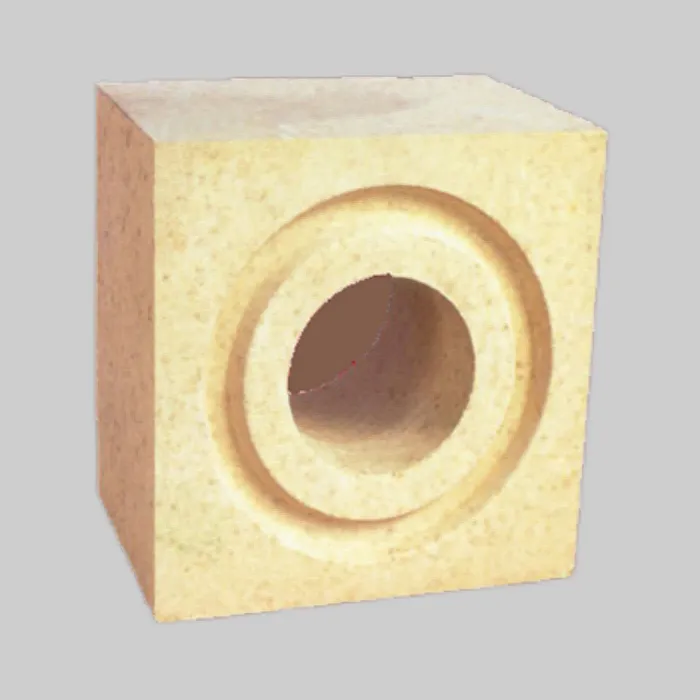
As a well - block supplier, I've had numerous discussions with customers about the importance and necessity of well - block maintenance. Well blocks, also known as Well Blcok, play a crucial role in the continuous casting process. They are installed at the bottom of the tundish and are responsible for controlling the flow of molten metal into the mold. But the question that often arises is whether they require maintenance. Let's delve into this topic in detail.
The Function of Well Blocks
Well blocks are essential components in the continuous casting process. Their main function is to provide a passage for the molten metal from the tundish to the mold. They need to withstand high temperatures, the erosive action of the molten metal, and chemical reactions with the slag. The quality of the well block can significantly affect the quality of the final cast product. A well - functioning well block ensures a smooth and controlled flow of molten metal, which is vital for producing high - quality steel.
Wear and Tear
Just like any other refractory material used in the steel - making process, well blocks are subject to wear and tear. The high - temperature environment and the constant flow of molten metal cause physical and chemical changes in the well block. Physically, the molten metal can erode the surface of the well block, gradually reducing its thickness. Chemically, the well block may react with the slag and other impurities in the molten metal, leading to the formation of new compounds that can weaken the structure of the well block.
Over time, this wear and tear can lead to a decrease in the performance of the well block. For example, if the well block is eroded too much, it may cause an uneven flow of molten metal, resulting in defects in the cast product. In some cases, a severely worn well block can even lead to a leakage of molten metal, which is a serious safety hazard.
The Need for Maintenance
Given the wear and tear that well blocks experience, maintenance is indeed necessary. Regular maintenance can help extend the service life of the well block and ensure its optimal performance. There are several aspects of well - block maintenance.
Inspection
Regular inspection is the first step in well - block maintenance. Visual inspection can be used to check for obvious signs of wear, such as cracks, erosion, and spalling. Non - destructive testing methods, such as ultrasonic testing and X - ray inspection, can also be used to detect internal defects in the well block. By detecting these defects early, appropriate measures can be taken to prevent further damage.
Cleaning
Cleaning the well block is another important maintenance task. During the continuous casting process, slag and other impurities can accumulate on the surface of the well block. This accumulation can not only affect the flow of molten metal but also accelerate the wear of the well block. Therefore, regular cleaning of the well block can help remove these impurities and maintain its smooth surface.
Repair and Replacement
If defects are detected during the inspection, repair or replacement of the well block may be necessary. Minor defects can sometimes be repaired by applying refractory patches or coatings. However, if the well block is severely damaged, replacement is the only option. Timely replacement of a worn - out well block can prevent production disruptions and ensure the quality of the cast product.
Comparison with Other Refractory Components
When discussing well - block maintenance, it's interesting to compare it with other refractory components in the continuous casting process, such as Tundish Shroud and Subentry Nozzle.
Tundish shrouds are used to protect the molten metal from oxidation as it flows from the tundish to the mold. They are also subject to wear and tear, mainly due to the high - temperature and erosive environment. Similar to well blocks, tundish shrouds require regular inspection, cleaning, and, if necessary, replacement. However, the maintenance requirements of tundish shrouds may be different in terms of frequency and methods, depending on their specific design and operating conditions.
Subentry nozzles are responsible for controlling the flow of molten metal into the mold. They are also exposed to high - temperature and erosive conditions. Maintenance of subentry nozzles is crucial for ensuring a stable and controlled flow of molten metal. Like well blocks and tundish shrouds, subentry nozzles need to be inspected regularly for wear and damage, and appropriate maintenance measures should be taken.
Cost - Benefit Analysis of Maintenance
Some customers may be concerned about the cost of well - block maintenance. However, a cost - benefit analysis shows that maintenance is a cost - effective measure in the long run. The cost of maintaining a well block includes the cost of inspection, cleaning, repair, and replacement. On the other hand, the cost of not maintaining the well block can be much higher. A poorly maintained well block can lead to product defects, production disruptions, and even safety accidents, all of which can result in significant economic losses.
By investing in regular maintenance, companies can extend the service life of the well block, reduce the frequency of replacement, and improve the quality of the cast product. This, in turn, can lead to cost savings and increased competitiveness in the market.
Conclusion
In conclusion, well blocks do require maintenance. The wear and tear they experience during the continuous casting process can significantly affect their performance and the quality of the final cast product. Regular inspection, cleaning, repair, and replacement are essential maintenance tasks that can help extend the service life of the well block and ensure its optimal performance.
If you are in the market for high - quality well blocks or need more information about well - block maintenance, I encourage you to reach out for a procurement discussion. We are committed to providing you with the best products and services to meet your needs.
References
- "Refractories in Steelmaking", Steelmaking Technology Association.
- "Continuous Casting Handbook", International Continuous Casting Institute.