

As a supplier of castable fire bricks, ensuring the cutting quality of these essential refractory materials is crucial for meeting the diverse needs of our customers. Castable fire bricks are widely used in various industries, including metallurgy, cement, glass, and power generation, where they provide high-temperature resistance and insulation. In this blog post, I will share some key strategies and considerations to ensure the cutting quality of castable fire bricks.
Understanding the Properties of Castable Fire Bricks
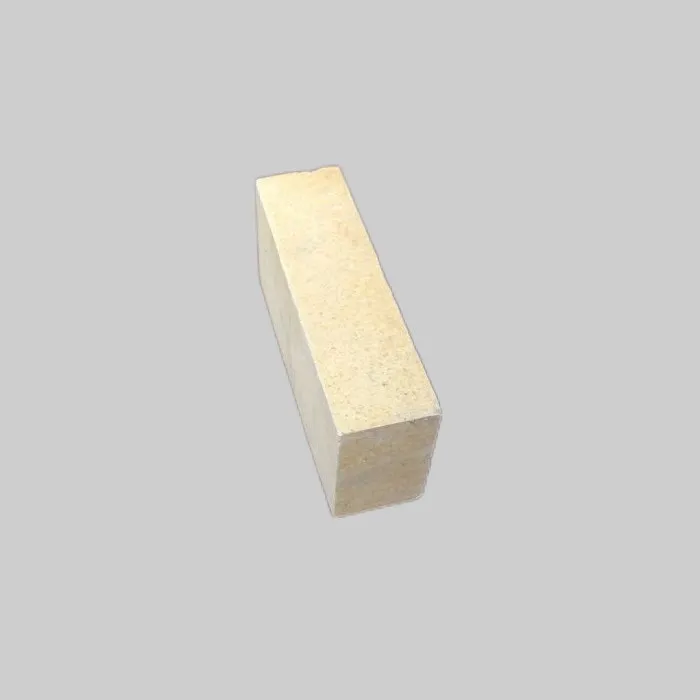
Before delving into the cutting process, it is essential to have a thorough understanding of the properties of castable fire bricks. These bricks are typically made from refractory aggregates, binders, and additives, which are carefully selected to provide specific performance characteristics. The composition and properties of the bricks can vary depending on the application requirements, such as temperature resistance, chemical resistance, and mechanical strength.
One of the primary factors that affect the cutting quality of castable fire bricks is their hardness. Fire bricks are known for their high hardness, which can make them challenging to cut. Additionally, the presence of aggregates and binders can also affect the cutting process, as they can cause the blade to wear out quickly or produce uneven cuts. Therefore, it is crucial to select the appropriate cutting tools and techniques based on the hardness and composition of the bricks.
Selecting the Right Cutting Tools
The choice of cutting tools is critical for ensuring the cutting quality of castable fire bricks. There are several types of cutting tools available, including diamond blades, abrasive wheels, and saws. Each type of tool has its own advantages and disadvantages, and the selection should be based on the specific requirements of the cutting task.
- Diamond Blades: Diamond blades are the most commonly used cutting tools for castable fire bricks. They are made from diamond particles embedded in a metal matrix, which provides excellent cutting performance and durability. Diamond blades are available in various sizes and configurations, and they can be used for both wet and dry cutting. When using diamond blades, it is important to ensure that they are properly lubricated to prevent overheating and premature wear.
- Abrasive Wheels: Abrasive wheels are another option for cutting castable fire bricks. They are made from abrasive particles bonded together with a resin or ceramic matrix, and they are available in various grit sizes and shapes. Abrasive wheels are suitable for cutting softer fire bricks and can provide a smooth and precise cut. However, they are not as durable as diamond blades and may require more frequent replacement.
- Saws: Saws are also commonly used for cutting castable fire bricks. There are several types of saws available, including circular saws, band saws, and reciprocating saws. Each type of saw has its own advantages and disadvantages, and the selection should be based on the specific requirements of the cutting task. Circular saws are the most commonly used saws for cutting fire bricks, as they are versatile and can be used for both straight and curved cuts.
Preparing the Bricks for Cutting
Proper preparation of the castable fire bricks is essential for ensuring the cutting quality. Before cutting the bricks, it is important to clean them thoroughly to remove any dirt, dust, or debris. This can be done using a brush or a compressed air gun. Additionally, it is important to mark the cutting lines on the bricks using a straightedge and a marker. This will help to ensure that the cuts are straight and accurate.
It is also important to ensure that the bricks are properly supported during the cutting process. This can be done using a workbench or a cutting table. The bricks should be secured firmly in place to prevent them from moving or vibrating during the cutting process. Additionally, it is important to use a cutting guide or a fence to ensure that the cuts are straight and parallel.
Using the Right Cutting Techniques
In addition to selecting the right cutting tools and preparing the bricks for cutting, it is also important to use the right cutting techniques. There are several cutting techniques available, including dry cutting, wet cutting, and plunge cutting. Each technique has its own advantages and disadvantages, and the selection should be based on the specific requirements of the cutting task.
- Dry Cutting: Dry cutting is the most common cutting technique for castable fire bricks. It involves using a cutting tool without any lubrication or coolant. Dry cutting is suitable for cutting softer fire bricks and can provide a fast and efficient cutting process. However, it can also generate a lot of dust and debris, which can be hazardous to the health of the operator. Therefore, it is important to wear appropriate personal protective equipment, such as a dust mask and safety glasses, when using dry cutting techniques.
- Wet Cutting: Wet cutting involves using a cutting tool with a lubricant or coolant. This technique is suitable for cutting harder fire bricks and can provide a smoother and more precise cut. Additionally, wet cutting can help to reduce the amount of dust and debris generated during the cutting process, which can improve the working environment. However, wet cutting requires the use of a water supply and a drainage system, which can add to the complexity and cost of the cutting process.
- Plunge Cutting: Plunge cutting involves cutting into the brick from the top or the side. This technique is suitable for cutting holes or slots in the bricks and can provide a fast and efficient cutting process. However, plunge cutting requires the use of a specialized cutting tool, such as a plunge saw or a router, and it can be more challenging to control the depth and accuracy of the cut.
Quality Control and Inspection
Once the castable fire bricks have been cut, it is important to conduct a quality control and inspection process to ensure that the cutting quality meets the required standards. This can be done by visually inspecting the cuts for any signs of damage or defects, such as cracks, chips, or uneven edges. Additionally, it is important to measure the dimensions of the cut bricks to ensure that they meet the specified tolerances.
If any defects or deviations are found during the quality control and inspection process, it is important to take corrective actions immediately. This may involve re-cutting the bricks, repairing the defects, or discarding the defective bricks. By implementing a rigorous quality control and inspection process, we can ensure that our customers receive high-quality castable fire bricks that meet their specific requirements.
Conclusion
Ensuring the cutting quality of castable fire bricks is essential for meeting the diverse needs of our customers. By understanding the properties of the bricks, selecting the right cutting tools and techniques, preparing the bricks for cutting, and conducting a quality control and inspection process, we can ensure that our customers receive high-quality fire bricks that meet their specific requirements.
If you are interested in purchasing high-quality castable fire bricks, please visit our website to learn more about our products and services. We offer a wide range of High Temp Bricks, Alumina Silica Brick, and Sk34 Brick that are suitable for various applications. Our team of experts is always available to provide you with professional advice and support to help you select the right products for your needs. Contact us today to start a procurement discussion and find the best solutions for your projects.
References
- ASTM International. (2021). Standard Specification for High-Alumina Refractory Brick. ASTM C27-21.
- ISO. (2021). Refractory products - Classification. ISO 10058-1:2021.
- Norton, F. H. (1974). Refractories. Addison-Wesley Publishing Company.