

Molten metal temperature variations pose significant challenges in continuous casting operations. As a leading supplier of CCM (Continuous Casting Machine) refractories, we understand the critical role our products play in withstanding these temperature changes. In this blog, we'll explore how our CCM refractories are engineered to handle the dynamic thermal conditions of molten metals.
The Impact of Molten Metal Temperature Changes
Molten metals in continuous casting processes can experience substantial temperature fluctuations. These changes occur due to various factors such as the initial melting temperature, the rate of heat transfer during casting, and the addition of alloys. High - temperature molten metals, often exceeding 1500°C, can cause thermal stress on refractories. Rapid temperature changes can lead to thermal shock, which may result in cracking, spalling, and ultimately, failure of the refractory lining.
For example, when a ladle is filled with freshly molten metal, the refractory lining is suddenly exposed to extremely high temperatures. The outer layers of the refractory, which are still at a lower temperature, resist the expansion of the inner layers that are in direct contact with the molten metal. This creates internal stress within the refractory material. Similarly, when the casting process is completed, the refractory cools down, and the contraction can also cause stress.
Key Properties of CCM Refractories for Temperature Resistance
Thermal Conductivity
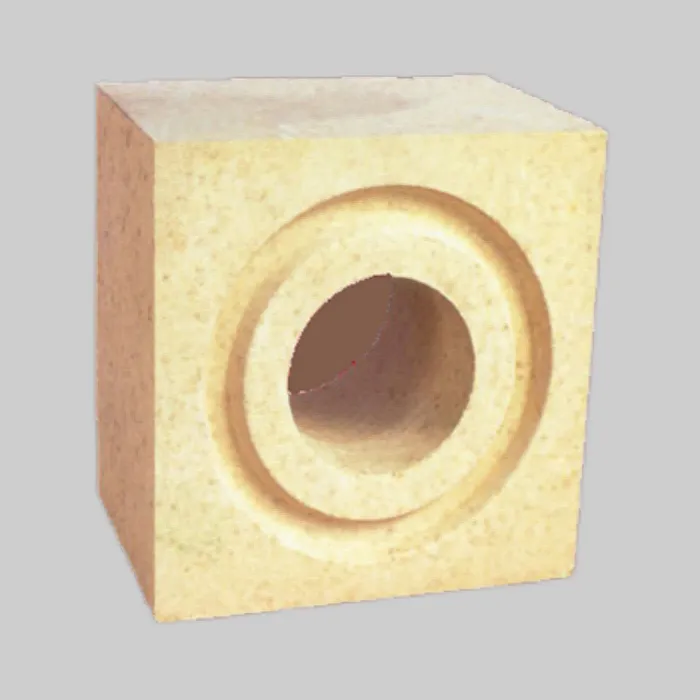
Our CCM refractories are carefully designed with appropriate thermal conductivity. Low thermal conductivity is desirable in many cases as it helps to reduce the heat transfer from the molten metal to the surrounding structures. This not only conserves energy but also protects the outer layers of the refractory and the equipment from overheating. For instance, in the Well Blcok, a low - thermal - conductivity material can maintain a more stable temperature gradient across the block, reducing the risk of thermal shock.
Thermal Expansion
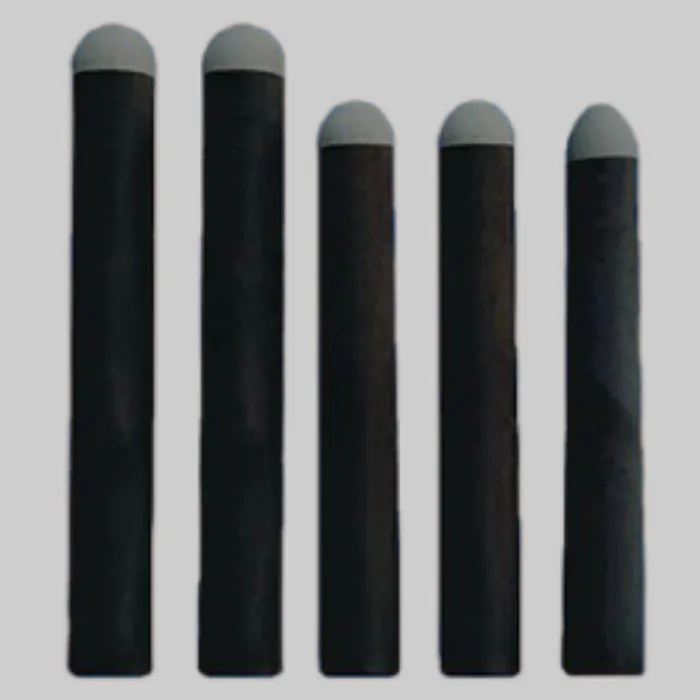
Controlling thermal expansion is crucial for withstanding temperature changes. Our refractories are formulated to have a low coefficient of thermal expansion. This means that as the temperature of the molten metal increases, the refractory expands minimally. A low expansion rate reduces the internal stress within the material, preventing cracking and spalling. The Monolithic Stopper is engineered with materials that have a well - controlled thermal expansion property, ensuring its integrity during the casting process.
Heat Capacity
Refractories with high heat capacity can absorb a large amount of heat without a significant increase in temperature. This property allows them to better handle sudden temperature changes. When a large volume of high - temperature molten metal is introduced, a refractory with high heat capacity can gradually absorb the heat, reducing the impact of the thermal shock. Our Sub Entry Nozzle is designed with materials that have relatively high heat capacity to ensure smooth and stable metal flow.
Material Selection and Design
Advanced Ceramics
We often use advanced ceramic materials in our CCM refractories. Ceramics such as alumina, zirconia, and magnesia have excellent high - temperature resistance. Alumina - based refractories are widely used due to their high melting point, good chemical stability, and relatively low cost. Zirconia - containing refractories offer superior thermal shock resistance because of their phase transformation characteristics, which can absorb and dissipate thermal energy. Magnesia - based refractories are known for their resistance to basic slags and high - temperature corrosion.
Composite Structures
To further enhance the performance of our refractories, we employ composite structures. These structures combine different materials with complementary properties. For example, a refractory may have an inner layer made of a material with high corrosion resistance and a high - temperature tolerance, while the outer layer is composed of a material with better insulation properties. This design approach allows us to optimize the performance of the refractory in different temperature zones and under various operating conditions.
Testing and Quality Control
Before our CCM refractories are delivered to customers, they undergo rigorous testing to ensure their ability to handle temperature changes. We use advanced testing equipment to simulate the actual operating conditions of continuous casting.
Thermal Cycling Tests
Thermal cycling tests are conducted to evaluate the thermal shock resistance of our refractories. In these tests, the refractory samples are repeatedly heated and cooled at a controlled rate. We monitor the samples for any signs of cracking, spalling, or degradation. By subjecting the refractories to multiple thermal cycles, we can predict their long - term performance in real - world applications.
High - Temperature Strength Tests
We also perform high - temperature strength tests to determine the mechanical properties of our refractories at elevated temperatures. These tests measure the compressive strength, flexural strength, and modulus of elasticity of the refractories under high - temperature conditions. This information helps us to ensure that the refractories can maintain their structural integrity when exposed to high - temperature molten metals.
Real - World Applications and Case Studies
In many continuous casting plants around the world, our CCM refractories have proven their effectiveness in handling temperature changes. For example, in a large - scale steel casting plant, the use of our Well Blcok has significantly reduced the frequency of refractory replacement. The well - block's ability to withstand rapid temperature changes and high - temperature corrosion has led to improved casting efficiency and reduced production costs.
In another case, a non - ferrous metal casting facility adopted our Monolithic Stopper. The stopper's excellent thermal stability and precise control of metal flow have resulted in higher - quality castings. The low thermal expansion property of the stopper has also extended its service life, minimizing downtime for maintenance.
Conclusion
As a supplier of CCM refractories, we are committed to providing products that can effectively handle the challenges posed by molten metal temperature changes. Through careful material selection, innovative design, and strict quality control, our refractories offer reliable performance in continuous casting operations. Whether it's the Well Blcok, Monolithic Stopper, or Sub Entry Nozzle, each product is engineered to meet the demanding thermal requirements of the industry.
If you are looking for high - quality CCM refractories that can handle the change in molten metal temperature, we invite you to contact us for a procurement discussion. Our team of experts is ready to provide you with customized solutions based on your specific needs.
References
- "Handbook of Refractory Technology" by John Smith
- "Continuous Casting of Metals: Principles and Practice" by David Brown
- Research papers on refractory materials published in leading metallurgical journals.